
Moscow Reinstates Fuel Caps as Ukraine Strikes Trigger Second Wave of Shortages
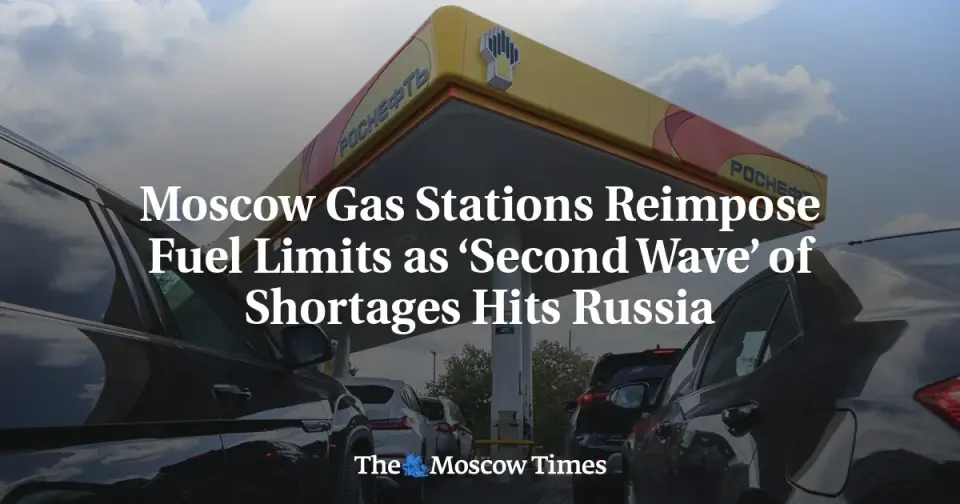
Moscow has reinstated 60-liter gasoline purchase limits at Gazprom Neft stations, marking a 'second wave' of fuel rationing. This follows a brief easing of restrictions in August, driven by persistent shortages from Ukrainian drone strikes on refineries. While officials claim stabilization, availability remains critically low in many regions.
Key points
- Gazprom Neft reintroduced 60-liter gasoline caps in Moscow after easing them earlier in August.
- Tatneft capped sales at 50 liters of gasoline and 60 liters of diesel in the capital region.
- Ukrainian drone strikes on refineries, including a recent fire in Bashkortostan, continue to disrupt supply.
- Fuel availability dropped to 28% of tracked stations in mid-August, down from 41% the previous week.
- The government extended export bans on gasoline and diesel through early next year to protect domestic supply.
Background
This development follows a summer crisis that began in May, where nationwide rationing and long queues became common. Previous reports noted that production was roughly 20% below demand, leading to price spikes and logistical bottlenecks. While some restrictions eased in July, the current situation indicates a resurgence of supply issues despite earlier claims of partial stabilization.
How outlets are covering it
The Moscow Times reports that Gazprom Neft and Tatneft have reinstated strict purchase limits in Moscow, contradicting Deputy Prime Minister Alexander Novak’s earlier claims of market stabilization. The Daily Beast highlights Mikhail Khodorkovsky’s warning that repeated drone strikes are pushing Russia’s oil industry toward a 'breaking point,' suggesting the damage is now irreparable while facilities remain operational. Meduza provides data from the 'GdeBenz' app, showing a sharp decline in fuel availability to 28% of stations, with specific shortages in regions like Volgograd and Orenburg. While the Energy Ministry insists fuel is available, independent data and regional reports confirm widespread shortages and long lines.
Why it matters
The return of rationing measures signals that the Russian fuel market is not stabilizing despite government assurances. Persistent shortages and price volatility threaten economic stability and public confidence. The reliance on export bans and rationing indicates a structural inability to meet domestic demand, exacerbated by ongoing military strikes on critical infrastructure.
What to watch
Analysts expect supplies to remain tight until peak summer travel demand subsides. Repairs to damaged refineries, such as the one in Bashkortostan, are expected to take several days. The government may further tighten controls or adjust import policies if shortages persist into the autumn.
- Moscow Gas Stations Reimpose Fuel Limits as ‘Second Wave’ of Shortages Hits Russia The Moscow Times
- Moscow's fuel stations limit sales amid shortages Reuters
- Russia’s Oil-Flow Slump Deepens as Ukraine Threatens Key Port Bloomberg.com
- Putin Nemesis Warns Drone Attacks Leave Russia at ‘Breaking Point’ The Daily Beast
- Less than a third of Russian gas stations have fuel Meduza
Want the full story? Read the original reporting
Read on The Moscow Times