
Barrack Signals US Shift from Regime Change to Regional Stability in Middle East
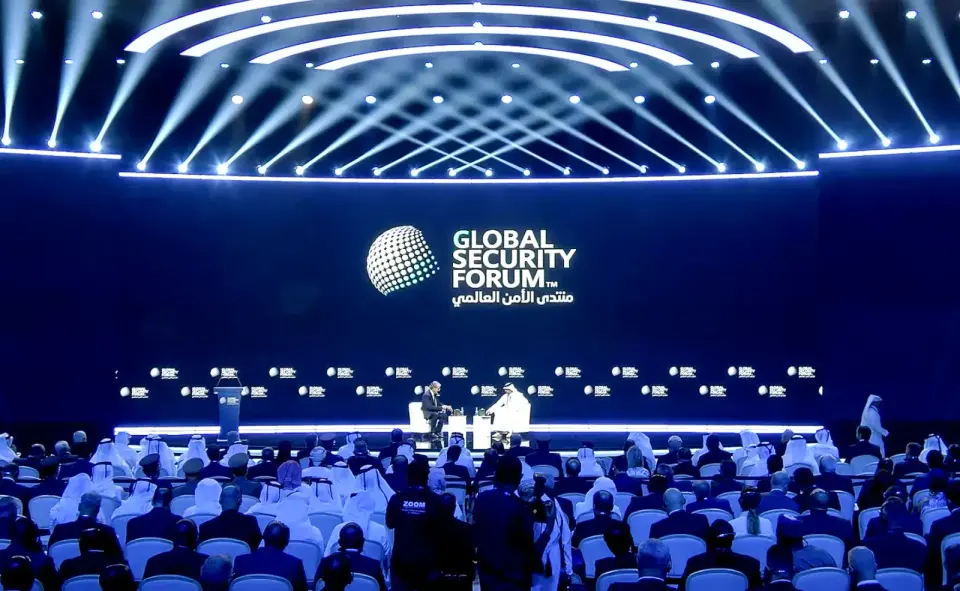
US envoy Tom Barrack stated that Washington is abandoning its historical 'oil-for-security' dominance in the Middle East, opting instead for a presence that avoids leaving but does not seek control. He criticized past regime-change interventions as failures, while Qatar continues to mediate stalled US-Iran talks. Meanwhile, the US remains reluctant to intervene in the escalating Saudi-Houthi conflict, urging regional allies to take greater responsibility.
Key points
- Barrack declared the US no longer seeks to 'own' the Middle East, framing the new approach as 'not to control, but to not leave.'
- He cited 23 past US regime changes in the region as mistakes, acknowledging that regional partners can no longer rely on Washington to solve all their problems.
- Qatar’s foreign ministry confirmed ongoing mediation between Washington and Tehran, noting that silence on negotiations indicates progress, though Iran’s seven-day peace proposal remains unanswered by the US.
- Barrack described ground intervention in Yemen as 'pointless,' urging regional alliances to handle the Houthi threat, while the UK and Egypt consider sending military support to Saudi Arabia.
- Analysts noted that while Iran’s leverage has diminished due to the naval blockade, it retains the ability to disrupt global energy supplies via the Strait of Hormuz.
Background
This policy shift follows the US withdrawal from Iraq in late September 2026, which left a security vacuum. It also comes after deadly Houthi strikes on Saudi airports in October 2026, which previously pressured President Trump to consider direct military intervention despite midterm election risks. Despite active conflict, Middle East oil exports had recently exceeded pre-war averages, though Iran disputed the volume of oil moving through the Strait of Hormuz.
How outlets are covering it
Al Jazeera emphasized Barrack’s admission that US interventions have consistently failed, framing his comments as a realistic assessment of Trump’s allies. The Jerusalem Post focused on the US reluctance to intervene in Yemen, highlighting how other nations like the UK and Egypt are stepping in to support Saudi Arabia. Anadolu Ajansı highlighted Barrack’s call for regional alliances, noting that Washington seeks a peaceful agreement with Iran while questioning the efficacy of kinetic responses in the region.
Why it matters
The US pivot away from direct regime change signals a fundamental restructuring of Middle East security architecture. This shift places the burden of conflict resolution on regional powers, potentially altering the balance of power between Iran, Saudi Arabia, and Gulf states. The ongoing US-Iran negotiations and the stalled Yemen conflict will determine whether this new 'non-dominance' strategy prevents further escalation or leaves a vacuum for proxy conflicts to expand.
What to watch
Watch for the US response to Iran’s seven-day peace proposal, which includes lifting the naval blockade and resuming nuclear talks. Monitor the outcome of the 'Dawn of Yemen' offensive and whether regional allies like Egypt and the UK will commit to direct military support for Saudi Arabia against the Houthis.
- US leaving oil-for-security approach, not Middle East: Envoy Tom Barrack Al Jazeera
- Trump Envoy Tells Nervous Gulf Allies U.S. Can’t Guarantee Security Forever WSJ
- Tom Barrack's address shows US reluctant to intervene in Saudi-Houthi conflict The Jerusalem Post
- US envoy: US seeks peaceful deal with Iran Breakingthenews.net
- US envoy says ground intervention in Yemen ‘appears pointless,’ urges regional alliances Anadolu Ajansı
Want the full story? Read the original reporting
Read on Al Jazeera