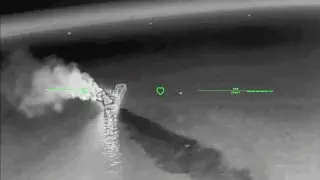
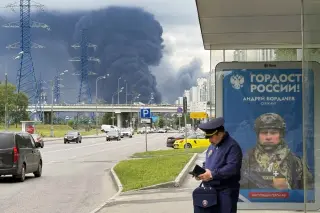
Ukrainian drone strikes have halted operations at the Novoshakhtinsk oil refinery in Rostov, one of southern Russia’s largest fuel suppliers. This latest attack is part of a sustained campaign targeting Russian energy infrastructure, contributing to widespread fuel rationing and price spikes across multiple Russian regions.
Ukraine’s drone strikes and broader fighting have damaged Russia’s refineries, triggering fuel shortages and long queues across Russia and Central Asia. Kazakhstan banned petrol exports, but border smuggling continues as Kyrgyzstan and Tajikistan scramble for supplies and subsidies. Tajikistan is seeking new sources from Iran and relies on CNPC for exploration, while Uzbekistan builds strategic reserves and drivers increasingly use compressed natural gas; Beijing’s influence grows as electric car adoption rises in the region. The situation highlights shifting energy suppliers and regional dependence amid the war.
CNN frames this summer in Russia as a fresh round of the ‘Black August’ pattern: fuel shortages, rising prices, a falling ruble, and rumors of mobilization disturb daily life, even as Moscow struggles to show lasting gains in the Ukraine war. While Putin downplays the economic and logistical damage from Ukrainian strikes on hubs like Wildberries warehouses, critics warn the broader crisis exposes the erosion of civil society and growing domestic repression (opposition figures jailed or barred). The piece contrasts Russia’s tightening political space with Ukraine’s still-robust democratic processes amid looming elections, suggesting Moscow’s internal vulnerabilities are rising as the summer wears on.
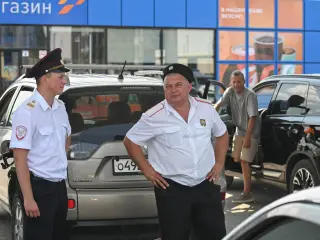
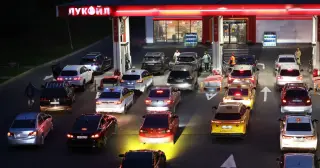
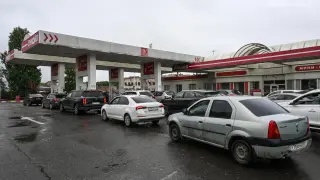
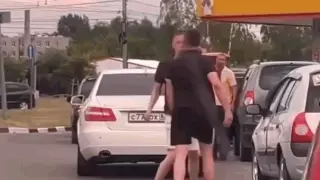
Russia faces a major domestic crisis as fuel shortages trigger long queues and fights at petrol stations, with authorities arresting and fining people who protest or post calls for officials. Ukraine's drone strikes have disrupted refineries, prompting Russia to import fuel and ration distribution while Moscow tightens controls; experts say Putin is facing his biggest domestic challenge since the war began as the energy squeeze worsens across the country.
Putin touts a modest 1% GDP growth while Ukraine’s long-range strikes and external pressure expose Russia’s economic strain, as gasoline shortages widen across Russia and Moscow stations run low on high-octane fuel. The Kremlin deploys Rosgvardia to gas stations and seeks expanded emergency powers to curb unrest ahead of the September Duma elections. Ukraine strikes key Russian energy and defense sites, including the Ufa oil refining hub and the Progress Space Launch Center in Samara, as both sides maintain limited offensives amid ongoing civilian harm.
A fresh wave of fuel shortages hits Russia, with Moscow-area gas stations reporting shortages as diesel remains widely available; authorities tighten sales and cite refinery disruptions from drone attacks and rising demand, while export bans and relaxed import rules are used to bolster domestic supplies amid regional restrictions.
Russia is experiencing widespread fuel shortages and rationing as Ukrainian strikes target oil depots and refining capacity, disrupting daily life and prompting government export bans. While Moscow has downplayed the crisis and some regions like Moscow show signs of relief, observers say nearly half of Russia’s refining capacity has been knocked offline since February, highlighting how the war is impacting the country’s energy sector and everyday transport.
An on-the-ground account notes Russia’s mood has changed since the Ukraine war began: fuel shortages reveal economic strain, but daily life largely continues and the economy remains functional. Putin has consolidated power and opposition has been quelled, making a Soviet-style regime collapse unlikely in the near term, even as talks of recession and unrest surface amid ongoing Ukraine war dynamics and Western support for Kyiv.
From yearly visits since 2022, the author says Russia’s mood has shifted from cautious adaptation to strain amid fuel shortages tied to the Ukraine war. While Zelensky pursues victory and the West funds Ukraine, the piece argues that Putin’s regime remains tightly controlled and Russia’s economy still functions, aided by possible monetary easing and ruble adjustments. A Soviet-style collapse is unlikely in the near term, though public mood and economic pressures suggest growing unease.
Ukraine launched one of its broadest drone offensives against Russia’s maritime and energy infrastructure, claiming hits on 21 vessels over three days, along with strikes on refineries and fuel facilities that helped drive diesel shortages in Russia. The campaign coincided with Zelenskyy’s Ankara meeting with Trump, where they discussed a Patriot interceptor deal and a potential drone agreement, while Russia continued bombardments of Ukraine and moved to restrict domestic fuel exports to ease shortages.
ISW’s July 3 assessment says Putin’s claim of seizing Kostyantynivka is contradicted by public evidence of only limited gains; Moscow’s briefings appear part of a cognitive warfare effort to show rapid frontline progress. The report notes warnings from the United States about potential Kremlin provocations against NATO states, including Poland, and broader Baltic concerns. Putin’s approval and trust have fallen sharply amid battlefield setbacks and a domestic fuel crisis, as Russia seeks to alleviate shortages through imports and relaxed gasoline standards. On the battlefield, Ukrainian strikes and Russian drone/ missile campaigns continued, but there were no confirmed major Russian advances on July 2–3, aside from contested claims and possible AI-assisted propaganda footage. The update also cites sporadic incidents (e.g., an explosion in Kursk) and ongoing Ukrainian operations against energy and logistics targets in occupied Ukraine.
A study by NGO Join Ukraine found anti-war discussions across Russia rose 235% in the week after Ukraine’s June 18 drone attack on Moscow, with criticism of the Kremlin, skepticism about official claims, and growing mentions of mobilization and fuel shortages. The online activity spanned thousands of regional Telegram channels and VKontakte communities, generating about 594 million views as discussions spread to more regions; observers note that drones reaching Moscow shifted public perception and increased concerns about civilian protection and energy supplies amid disrupted airports and fuel shortages.
Ukraine’s blockade of Crimea and a wave of strikes against Russian supply lines are turning the peninsula into a liability for Moscow, as fuel, power, and food shortages spread and hotel bookings collapse; Kyiv’s broader strikes inside Russia and a 40-day “operation of influence” signal momentum for Ukraine, while Russia experiences growing war fatigue and political anxiety, including talk of mobilization and possible delays to Duma elections, with Belarus reassessing its stance as Putin doubles down.
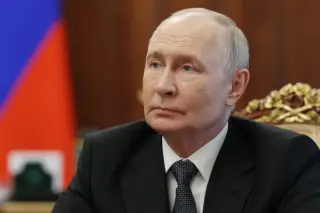
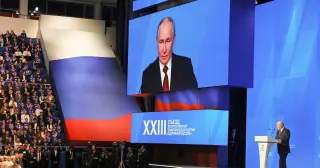
Putin acknowledged that Ukrainian long-range strikes on energy infrastructure are causing fuel shortages across Russia, triggering long lines and clashes at gas stations from Moscow to Siberia as Kyiv targets refineries and depots; Moscow is weighing emergency steps, including allowing lower-quality fuel, while officials warn the conflict is straining Russia’s economy but not yet causing collapse.
Putin said Russia is experiencing fuel shortages due to Ukrainian attacks on energy facilities but stressed the shortages are not critical; a task force is working to fix the issue, with a potential diesel export ban under consideration, while Moscow prioritizes fuel distribution (notably to Crimea) and stronger air defenses amid ongoing drone strikes.