
In Chernobyl, absence of humans reshapes wildlife more than radiation
TL;DR
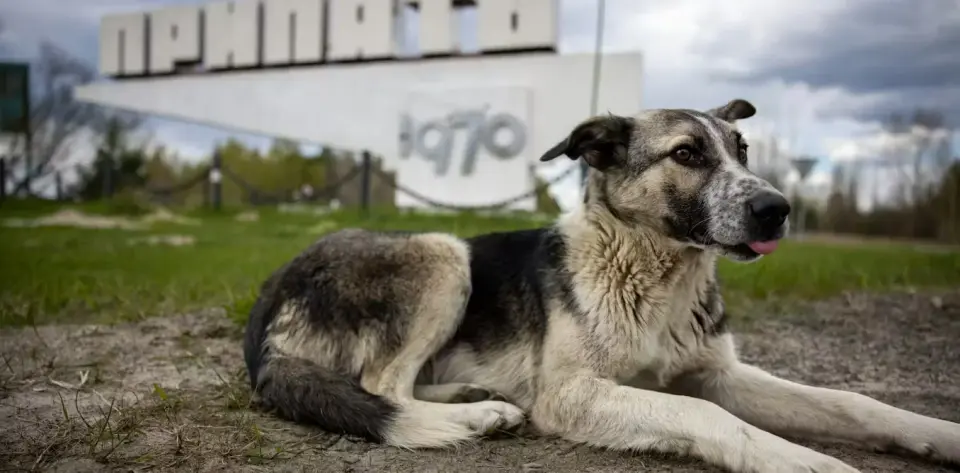
The Conversation piece argues that headlines about radiation driving dramatic wildlife changes at Chernobyl are overstated; while some dog populations show genetic differences, these are more likely due to breed history, habitat, and disease than radiation. The broader point is that the exclusion zone’s ecosystems are shaped far more by the absence of humans, effectively turning parts of it into a nature reserve, than by radiation exposure. Long‑term health effects on people from the accident remain socio‑economic and mental health concerns, underscoring the need for careful science communication to curb misinformation.
- Chernobyl’s wildlife: the real story isn’t the presence of radiation – it’s the absence of humans The Conversation
- PHOTO ESSAY: AP photographer chronicles Chernobyl’s painful legacy of silence, sacrifice and danger AP News
- Chornobyl first responder says few survive 40 years on Reuters
- Scientists are still learning from the Chernobyl nuclear disaster The Economist
- Chernobyl full of life as wildlife reoccupies a radioactive landscape PBS
Want the full story? Read the original reporting
Read on The Conversation