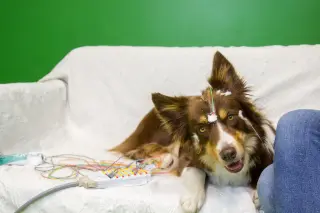
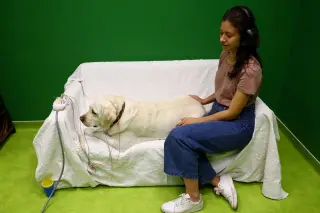
A new study from Hungary reveals that dogs use consonant patterns to segment words in human speech, mirroring the cognitive strategy used by human infants. Brain activity data shows dogs prioritize consonants over vowels to detect word boundaries, suggesting that living in a speech-rich environment has shaped their neural pathways.
A new study reveals that dogs process human speech by prioritizing consonants over vowels, a cognitive bias similar to that observed in human infants learning language. Researchers found that dogs' brains synchronize more strongly with consonant-based rhythms in speech, suggesting that living in a speech-rich environment has shaped their neural pathways.
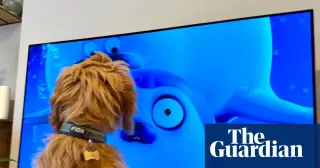
Netflix’s Sealook, a simple, colorful, dialogue-free cartoon about seals, has become a surprising hit with dogs and cats online, turning some pets into accidental viewers and fueling social-media buzz. Experts say movement, contrast, and sounds that resemble prey help hold their attention, while the creators say they didn’t intend Sealook to be a show for animals. In a playful test, the author’s dog Ozzy shows fleeting interest but ultimately wanders off, suggesting canine stardom on screen may be more hype than hustle for now.
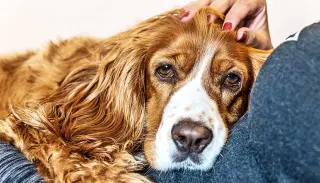
Dementia, or cognitive dysfunction, can affect aging dogs and cats, with signs often emerging earlier in dogs (as young as 8 years; about 10% affected, rising to ~80% by 18) and in cats around age 10 (more than half over 15 show signs). Early symptoms include wandering, accidents in the home, trouble navigating stairs or doors, changes in hearing, and increased vocalizing; cats may over‑groom. Since these signs overlap with arthritis or other illnesses, vets use owner questionnaires and a thorough history, plus exams and blood tests to rule out other conditions; MRI can definitively diagnose brain changes but is costly and requires anesthesia. There is no cure, but management focuses on regular exercise, mental stimulation, a stable environment, and diet/supplements (e.g., MCTs, antioxidants, omega-3s) as well as medications when appropriate, all aimed at maintaining quality of life and the bond with the pet.
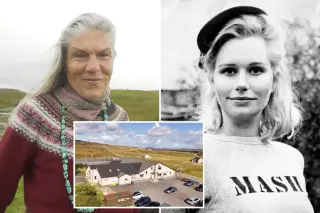
Claire Kellerman, daughter of late M*A*S*H actress Sally Kellerman, has sued a Great Bernera cafe after her dog was barred, claiming the animal is a service dog due to a disability. The case shifted from the local trust to the Bernera Community Association, which critics say could go bankrupt while Scottish Legal Aid covers Kellerman’s costs; locals accuse the move of being vexatious as the island’s community grapples with the dispute.
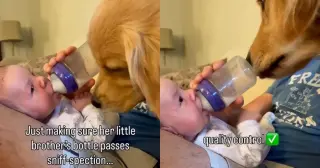
A Golden Retriever named Daphne acts as the baby's personal quality inspector during mealtime, sniffing the milk bottle to ensure it's safe before showering the tiny caregiver with affection.
The article provides the Sept. 2, 2026 NYT Connections hints and solutions, listing four group hints (Yellow: I don’t believe it!, Green: Musical instrument, Blue: Woof! Bark! Arf!, Purple: Like blue but different) and the completed answers: Yellow—dazzle, floor, stun, wow; Green—bow, mute, rosin, shoulder rest; Blue—hunting, rescue, sausage, sheep; Purple—corn, prairie, salty, top. It also notes the puzzle’s grouping themes and links to related NYT puzzle guides.
Billie Eilish officiated her brother Finneas’ outdoor wedding to Claudia Sulewski at San Ysidro Ranch in Montecito, with the couple’s rescue dogs Peaches and Moose serving as flower dogs in matching silk bows. The guest list included Justin and Hailey Bieber, Kristen Bell, Dax Shepard, Emma Chamberlain, and Jason Sudeikis. Sulewski wore four Oscar de la Renta looks, while Finneas wore a classic suit. Finneas and Claudia began dating after meeting on Raya in 2018 and got engaged in 2025 after a helicopter proposal.
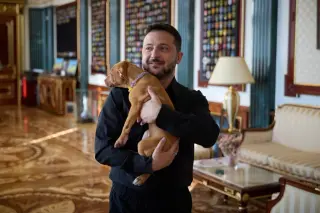
Ukraine's president is photographed with a puppy named Freya—Freya is the daughter of Athos, a Bucha survivor—turning a personal gift into a symbolic moment in Kyiv's ongoing conflict with Russia amid broader war-time messaging.
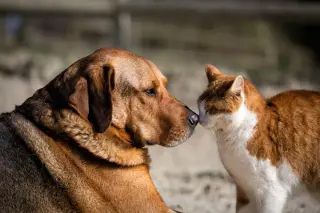
Dogs and cats diverged from early carnivoran ancestors about 42.5 million and 30 million years ago, respectively. The first true dog, Hesperocyon, appeared in North America, while the first true cat, Proailurus, arose in Eurasia. Both lineages trace back to miacids, early carnivorans, and all mammals share a Last Universal Common Ancestor (LUCA) from about 4 billion years ago. Genetically, humans are slightly closer to cats in chromosome arrangement than to dogs.
The Verge reports that Paul Conyngham, who popularized an AI-assisted dog cancer vaccine, has launched Gamgee to commercialize personalized mRNA cancer vaccines for dogs and eventually humans. Backed by Y Combinator and collaborating with Australian universities, Gamgee aims to scale such therapies, but scientists say Rosie’s story is not clearly attributable to AI and the company’s ambitious timelines and costs remain unproven.
On a pre-recorded episode of Live with Kelly and Mark, Mark Consuelos joked he would stay in a loveless marriage to avoid losing their rescue dog Lena, amid a discussion about a Pennsylvania proposal to recognize pets as family in divorce; Lena, adopted in 2021, has become a fixture on the show, which also recalled their late dog Chewie who died in 2025.
A World Population Review analysis maps the deadliest animal for each US state, revealing snakes as the single greatest danger in 14 states, whitetail deer in four, rattlesnakes in three, and unusual leaders like dogs in Illinois, coyotes in Minnesota, and black bears in Kentucky.
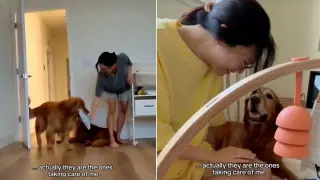
Gamja and Chip, two Golden Retrievers in California, star in a tender Instagram reel showing how they provide emotional support and practical help to a new mom after birth—staying close to the baby, offering comfort, and even delivering a package—as viewers praise the dogs for forming a heartwarming postpartum team.
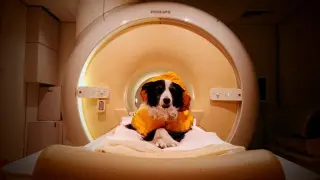
Eight dogs scanned with fMRI showed that happy human faces strongly activate the temporal cortex and caudate, while fear, sadness, and anger trigger distinct whole-brain patterns, indicating dogs can differentiate these emotions at the neural level—though they also rely on body language, voice, and scent in real interactions.