
Amazonian Chagras: Indigenous agroforestry that feeds people and saves the forest
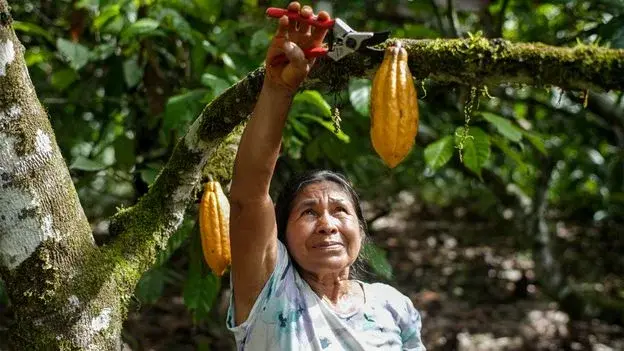
Indigenous chagra farming in Colombia’s Amazon and Ecuador’s Napo province showcases a 4,500-year-old, pesticide-free agroforestry system: small plots are cleared in sync with the forest cycle, planted with diverse crops (cassava, plantains, cacao, vanilla, medicinal herbs), and returned to forest after about five years. This approach supports local food security, fosters high biodiversity, and stores carbon at levels comparable to secondary forests, with some chakras generating income from cacao. Yet mining, climate change, and youth migration threaten these practices, prompting land-rights initiatives like Indigenous Territorial Entities and chakra-certified cooperatives to protect the system. While not a solution for feeding large populations, chagras offer a valuable model for culturally rooted, sustainable local food production.
Want the full story? Read the original reporting
Read on BBC