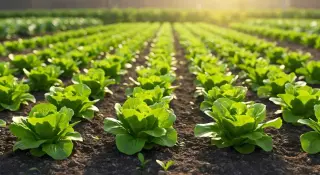
Researchers have successfully modified lettuce and tobacco plants to produce myoglobin, a protein found in meat, by inserting cloned pig DNA into chloroplasts. This innovation could offer a cheaper, more energy-efficient alternative to current plant-based meat technologies, potentially bypassing complex regulatory hurdles since the host plant is already edible.
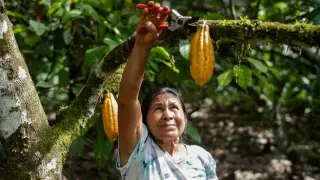
Indigenous chagra farming in Colombia’s Amazon and Ecuador’s Napo province showcases a 4,500-year-old, pesticide-free agroforestry system: small plots are cleared in sync with the forest cycle, planted with diverse crops (cassava, plantains, cacao, vanilla, medicinal herbs), and returned to forest after about five years. This approach supports local food security, fosters high biodiversity, and stores carbon at levels comparable to secondary forests, with some chakras generating income from cacao. Yet mining, climate change, and youth migration threaten these practices, prompting land-rights initiatives like Indigenous Territorial Entities and chakra-certified cooperatives to protect the system. While not a solution for feeding large populations, chagras offer a valuable model for culturally rooted, sustainable local food production.
Banana peels, a common kitchen waste, can be converted into biofertilizers that boost plant height, leaf area, and germination, often outperforming untreated soil and rivaling some chemical fertilizers. A review of 126 studies shows peel-based fertilizers deliver nutrients slowly through methods like sun-drying, grinding, slurry, or fermentation with other wastes, offering a cleaner alternative to synthetic NPK while reducing landfill waste. However, long-term field data on yield and soil microbes are still needed. For home gardeners, repurposing banana peels into soil amendments can support healthier plants and lower environmental impact.
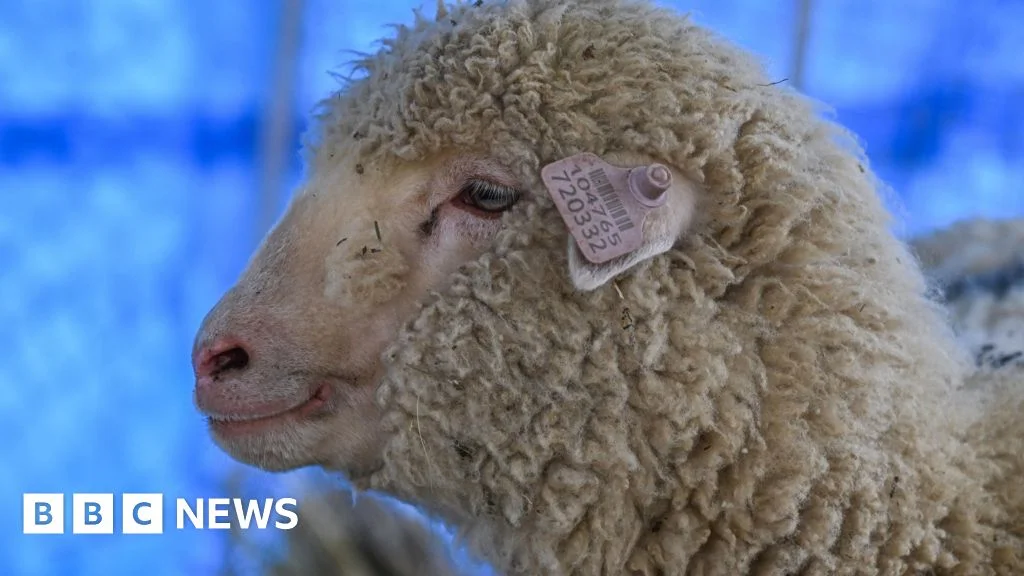
India's first gene-edited sheep, Tarmeem, has turned one year old and is thriving, showing increased muscle growth due to CRISPR technology targeting the myostatin gene. Researchers aim to use this technology to enhance meat production sustainably in Kashmir, potentially revolutionizing local agriculture and addressing food security issues. The project marks a significant step in applying gene editing in livestock within India, though regulatory and ethical considerations remain.
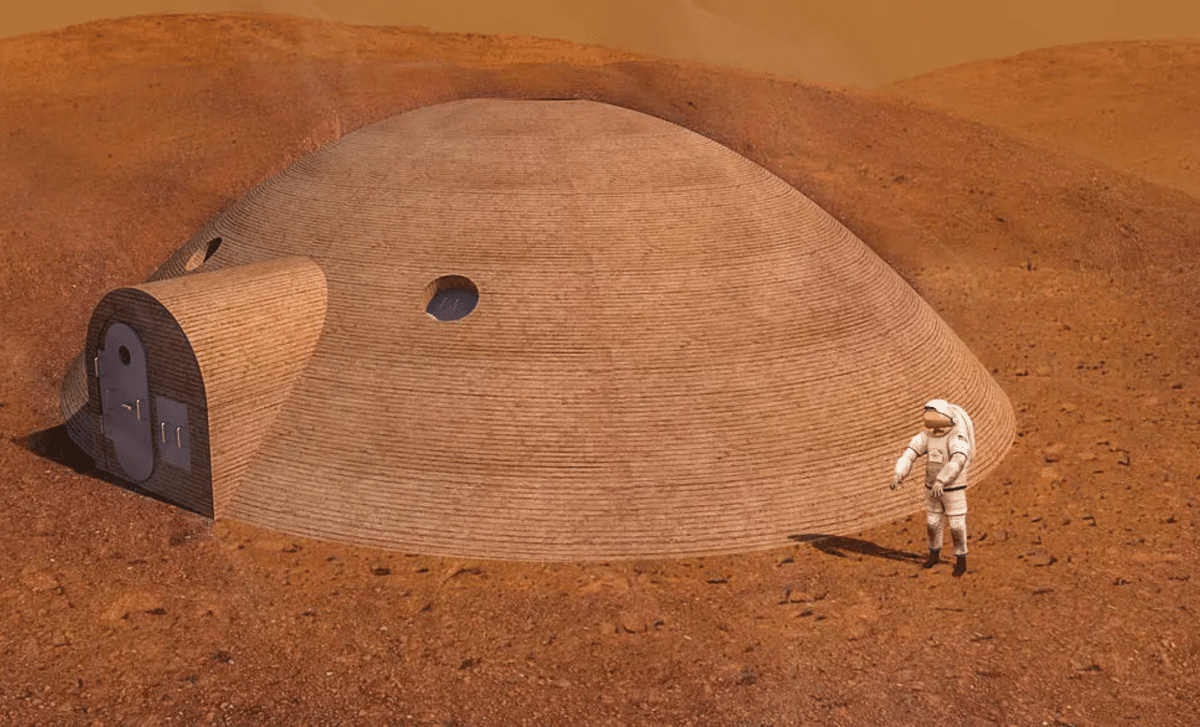
NASA is exploring the use of insects like fruit flies, bumblebees, and larvae to support sustainable life on the Moon and Mars by aiding in pollination, waste management, and soil health, potentially making them vital partners in off-world habitats.
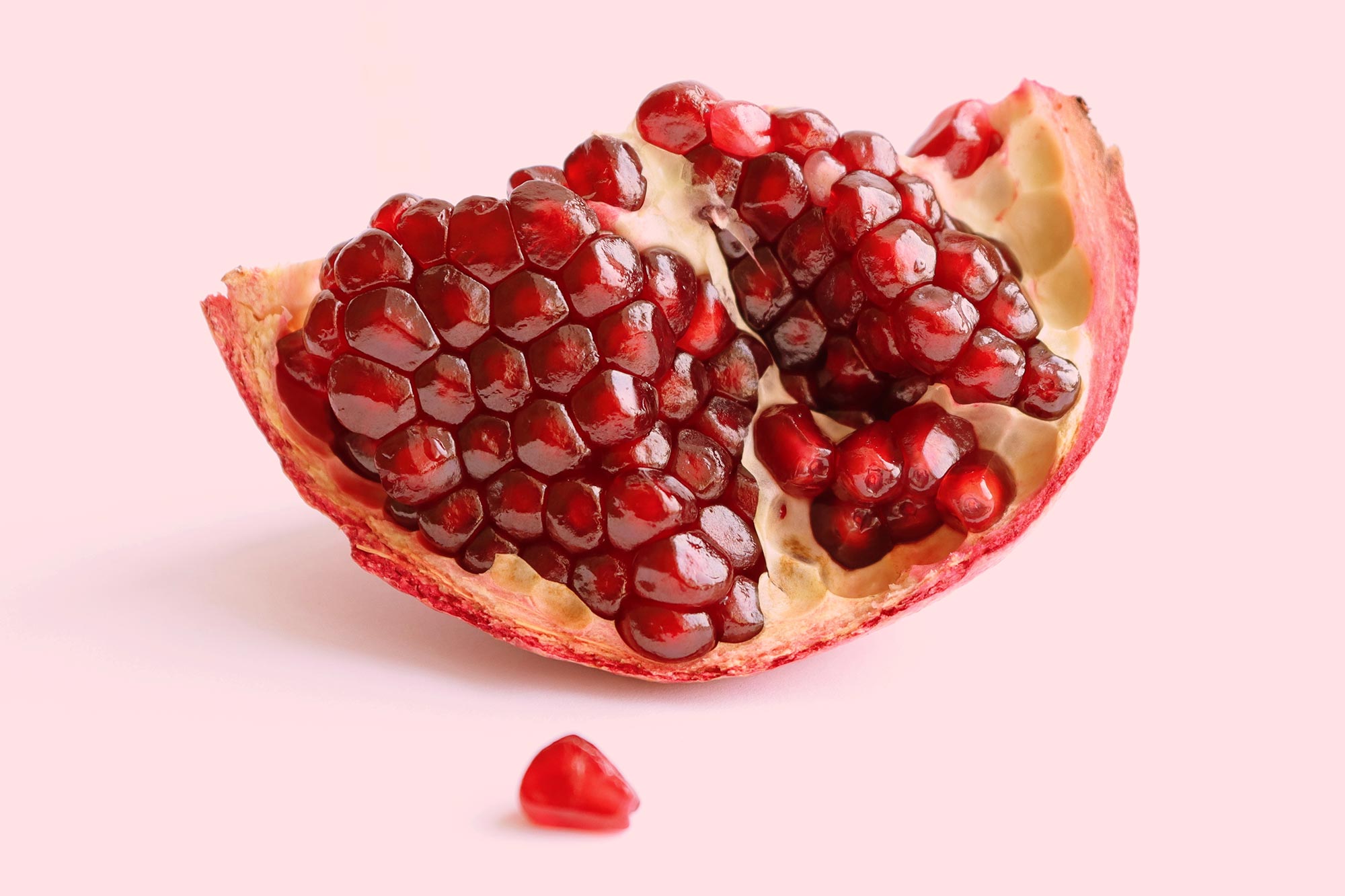
Scientists have found that extracts from carob leaves and pomegranate husks can help protect olive trees from the damaging disease anthracnose by inhibiting fungal growth and activating the plant's natural defenses, offering a potential eco-friendly alternative to traditional fungicides.
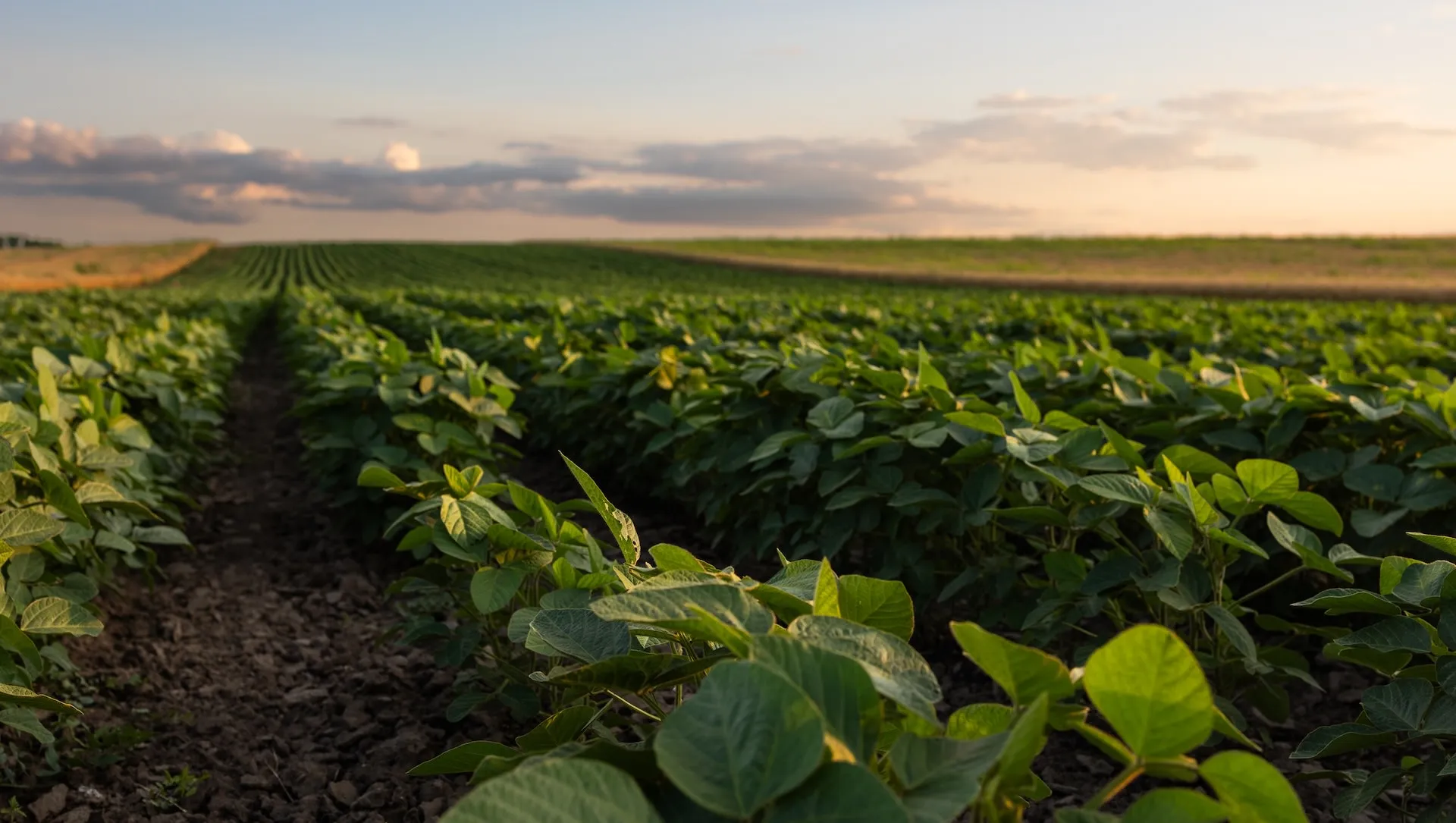
Researchers in Europe have discovered that zinc plays a crucial role in enhancing nitrogen fixation in legumes, which could lead to more sustainable farming practices by reducing reliance on chemical fertilizers, benefiting the environment and human health.
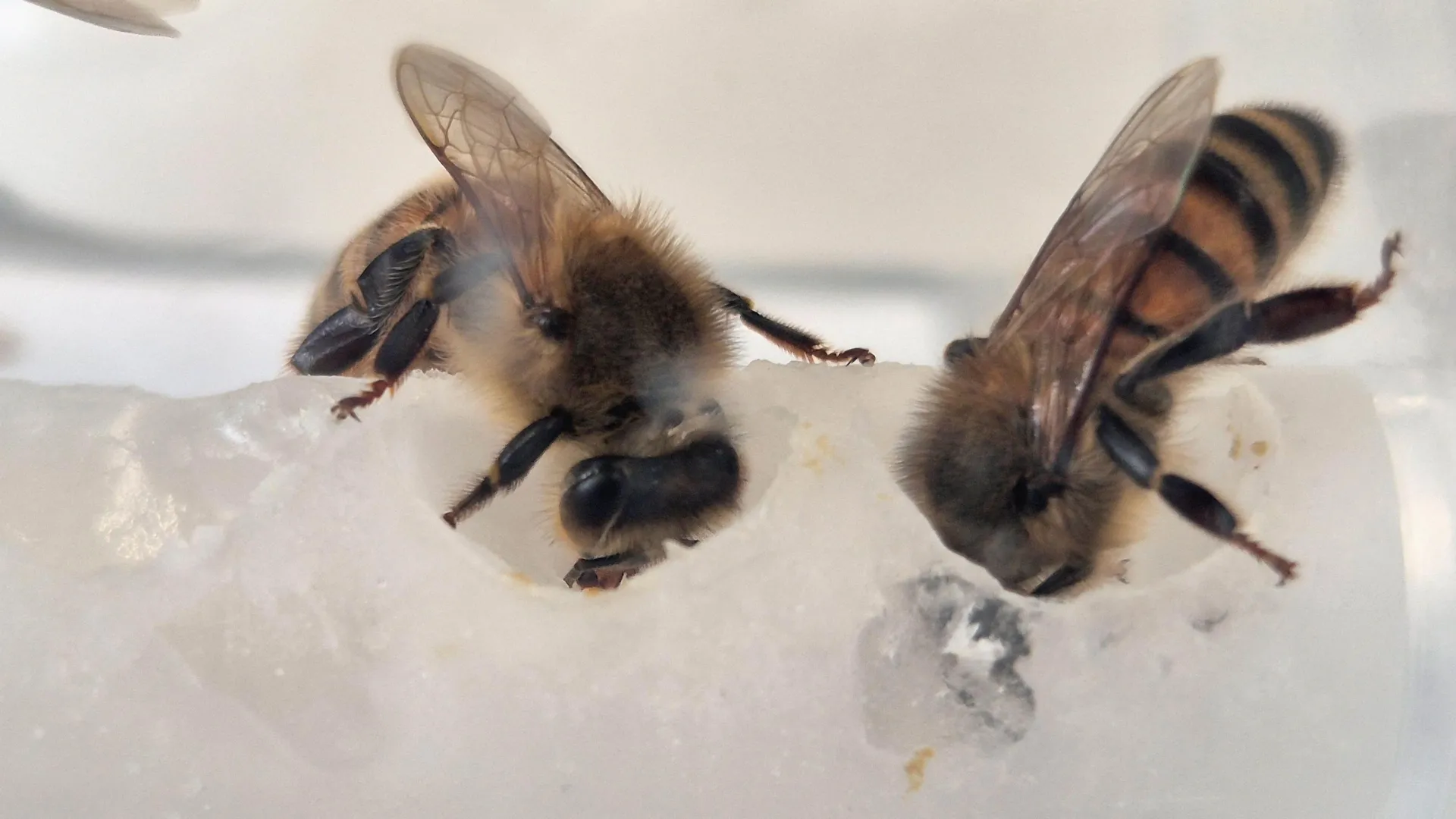
Scientists developed a sterol-enriched yeast supplement that significantly boosts honeybee colony growth, offering a sustainable solution to bee nutrient deficiencies caused by climate change and habitat loss, with potential benefits for agriculture and biodiversity.
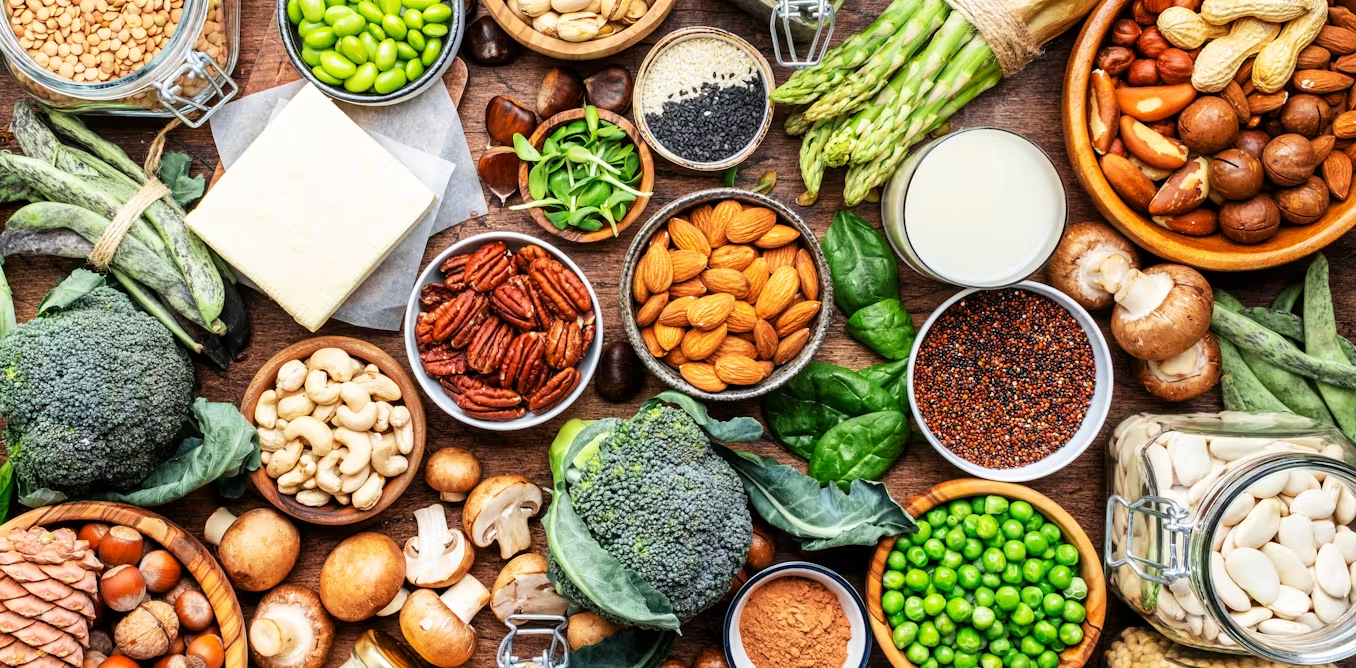
Climate change is increasing food prices and threatening global food security, but shifting towards plant-rich diets and sustainable farming practices can mitigate these impacts, support farmers, and promote environmental health.
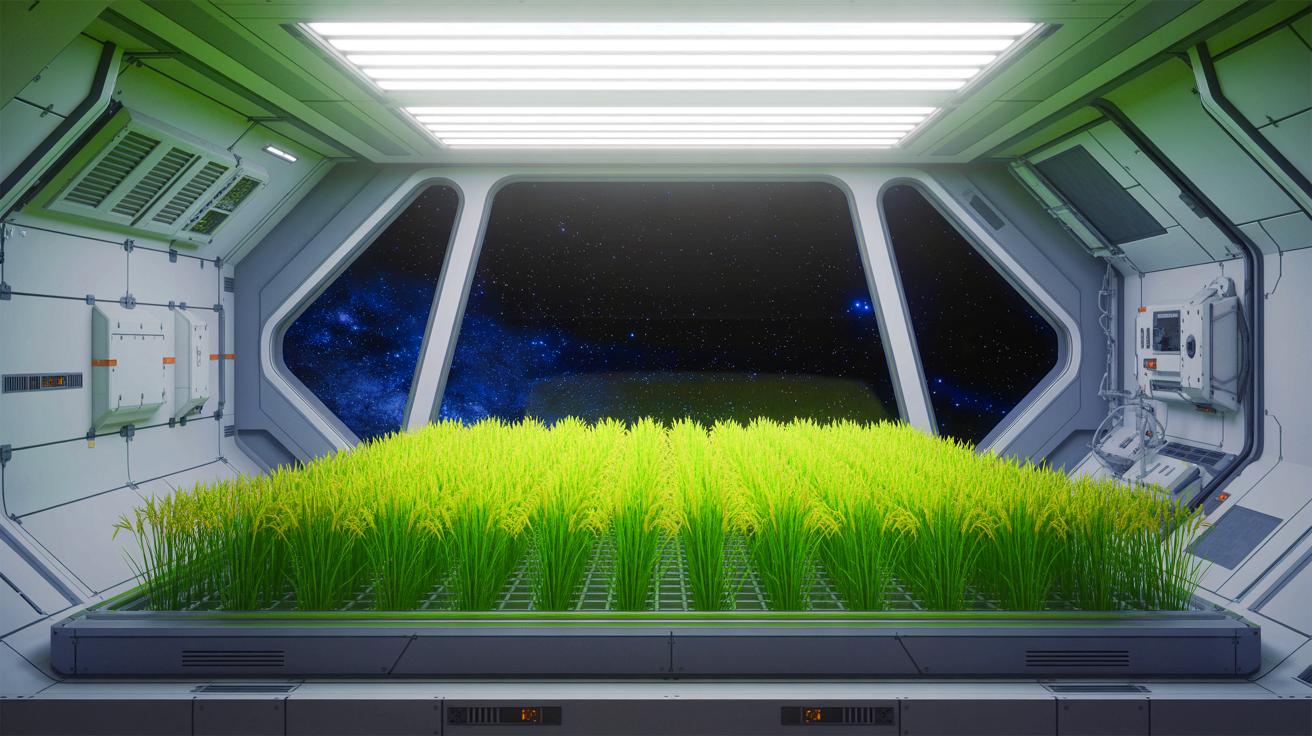
The Moon-Rice project, led by the Italian Space Agency and involving Italian universities, is developing super-dwarf rice using CRISPR technology to support long-term space missions and improve agriculture in extreme Earth environments, with potential benefits for global food security.
The Global Commission on the Economics of Water reports that the Earth's water cycle is severely disrupted due to climate change and poor water management, affecting nearly 3 billion people with water scarcity. This imbalance threatens over 50% of global food production and could reduce GDPs by up to 15% in low-income countries by 2050. The report calls for a paradigm shift in water management, emphasizing sustainable agriculture, improved pricing, and pollution reduction to restore balance and address the interconnected issues of climate change and water scarcity.
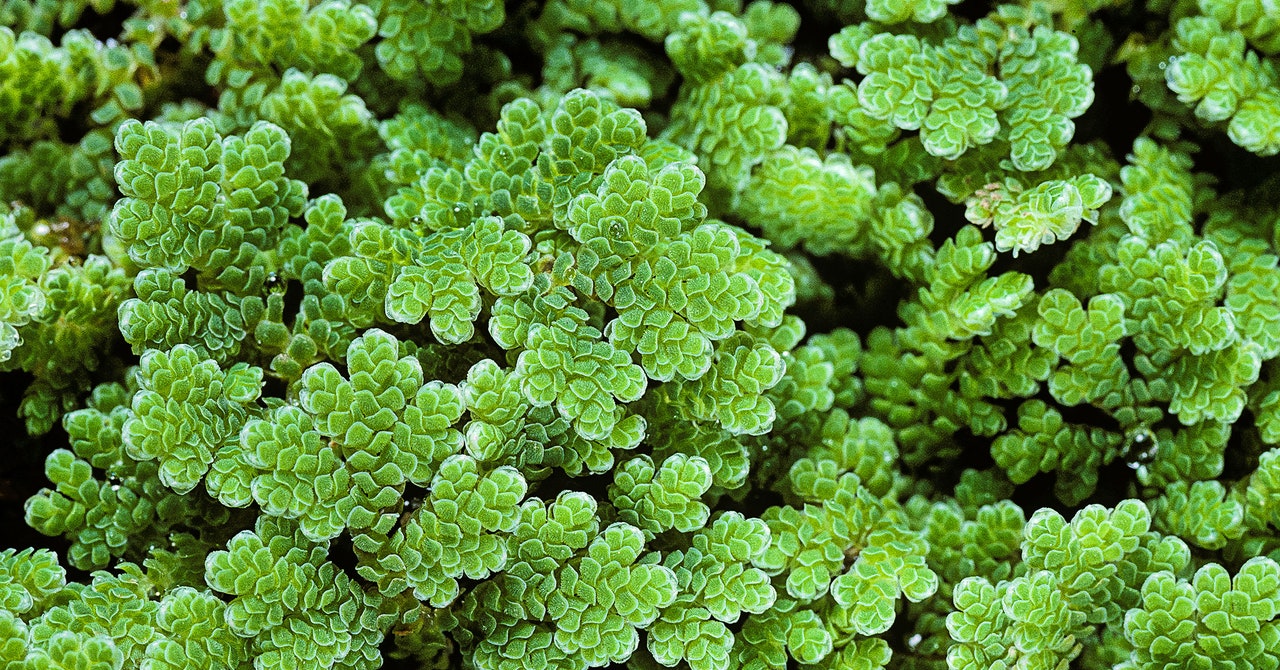
Azolla, a fast-growing aquatic fern, has the potential to become a widely cultivated crop for human and livestock consumption, fertilizer, and biofuel production. Research has identified a species, Carolina azolla, with lower levels of polyphenols, making it more suitable for consumption. With further study and potential breeding, azolla could offer high levels of nutrients such as protein, zinc, manganese, iron, calcium, and potassium. However, extensive research is needed to ensure its safety and potential as a food source.
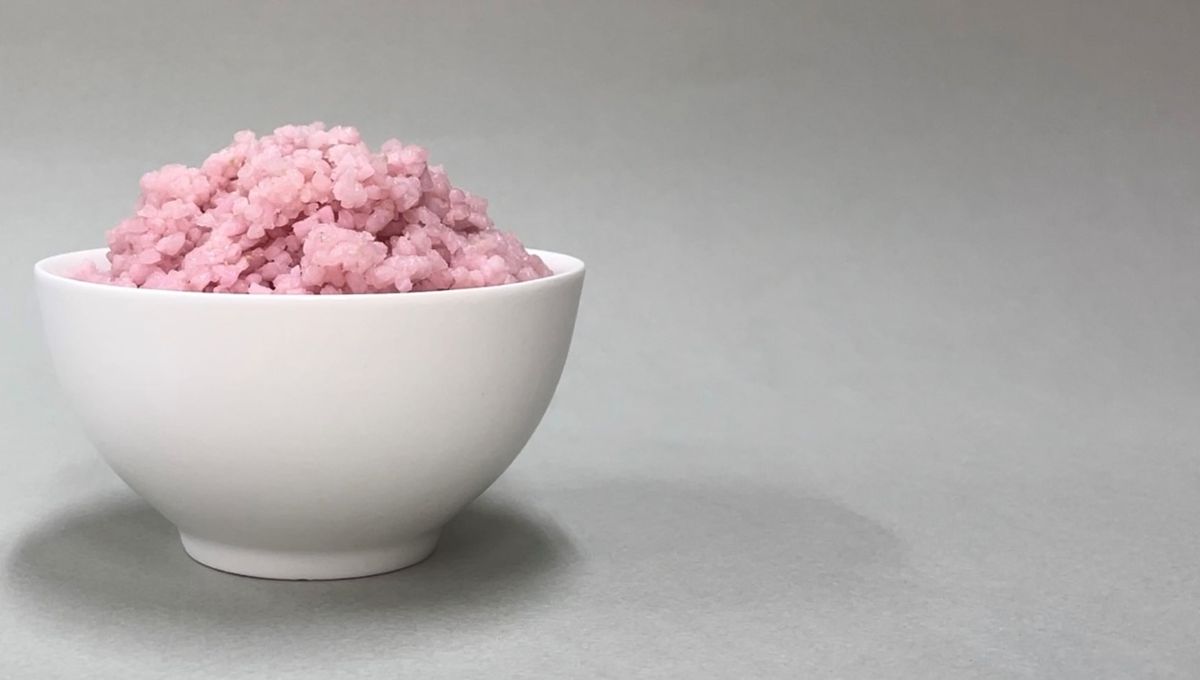
Scientists in South Korea have developed a beef-rice hybrid grown in a lab, combining cow muscle and fat stem cells with rice grains to create a protein-rich food source with a significantly lower carbon footprint than traditional beef farming. The hybrid has more protein and fat than regular rice, is cheaper than natural meat, and has a lower risk of foodborne illnesses. Researchers aim to commercialize the product as a low-cost and nutritious food source with potential applications in addressing famine, natural disasters, and long-term space travel.
Researchers in Korea have developed a novel food called "microbeef," which is rice infused with muscle and fat cells from cows. The hybrid grain contains more protein and fat than typical rice and is intended to be cheaper and more environmentally friendly to produce than beef and rice combined. The team coated rice with fish gelatin and microbial transglutaminase to enhance its stickiness to the cells, resulting in a product with a rich flavor reminiscent of beef and almond for the protein-rich rice and cream, butter, and coconut oil for the fat-rich rice. The researchers believe that their hybrid food, and others like it, could provide food relief in underdeveloped countries, during war, and even in space.
Scientists at Yonsei University have developed a new hybrid food by growing beef cells inside grains of rice, creating a meaty-rice combination rich in nutrition and potentially easing food production strain. The beef-infused rice, with higher protein and fat content than regular rice, could be a more sustainable and cost-effective source of protein compared to traditional beef, emitting significantly less carbon dioxide. The team aims to refine the production process and explore potential applications such as food relief for famine, military rations, and space food.