
Cocaine in wastewater nudges salmon to roam farther, study finds
TL;DR Summary
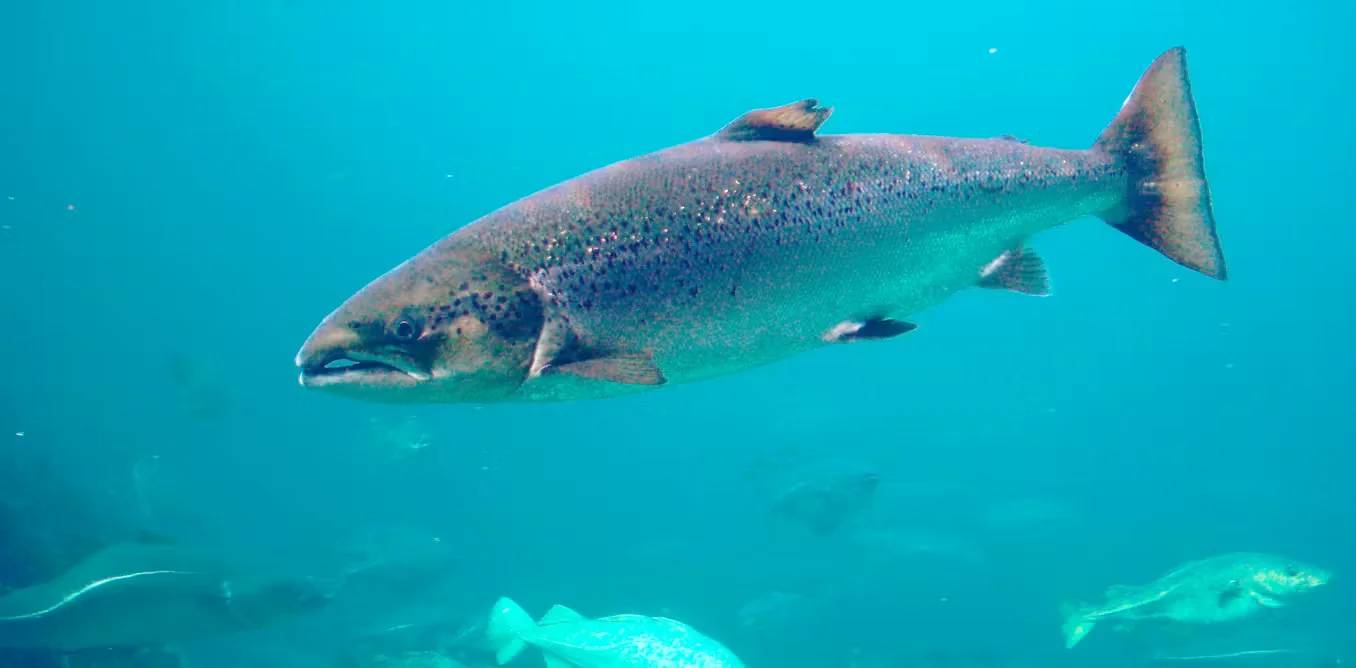
A Current Biology study in Sweden’s Lake Vättern found environmentally relevant levels of cocaine and its main metabolite benzoylecgonine in wastewater cause juvenile Atlantic salmon to swim up to 1.9 times farther per week and disperse up to about 12 km, with the metabolite sometimes having a stronger effect than the drug itself, highlighting that low concentrations of drug residues in waterways can alter wildlife behavior and potentially disrupt ecosystems.
- Coked to the gills? Cocaine-laced wastewater can make salmon roam twice as far The Conversation
- These Salmon Got High on Cocaine. That Wasn’t the Craziest Part. The New York Times
- Here’s what happens when you give salmon cocaine Scientific American
- Cocaine pollution in rivers and lakes may disrupt behaviour of salmon, study finds The Guardian
- Cocaine entering waterways is having a big effect on behaviour of young salmon The Independent
Reading Insights
Total Reads
1
Unique Readers
39
Time Saved
11 min
vs 11 min read
Condensed
97%
2,184 → 70 words
Want the full story? Read the original article
Read on The Conversation