Massachusetts plans to end its contract with Biobot for wastewater surveillance, signaling a shift toward building in-house public-health monitoring capabilities after the approach proved valuable during the COVID-19 era.
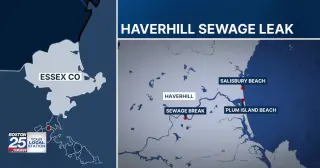
A ruptured 42-inch sewer main in Haverhill during heavy rain released about 8 million gallons of wastewater per day into the Merrimack River, prompting closures of North Shore beaches (Salisbury Beach, Sandy Point in Ipswich, and Plum Island in Newburyport). Repairs are underway, the sewer system remains operational, drinking water is safe, and investigators are looking into the cause.
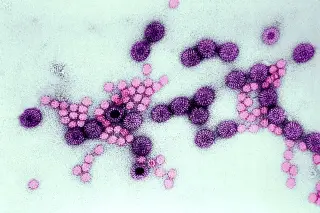
Rotavirus, a highly contagious GI virus, is showing up again in Bay Area wastewater as FIFA World Cup crowds converge, with elevated readings in Redwood City, San Jose, and Vallejo after spring peaks. Health experts say mass gatherings and shared facilities can spread fecal-oral viruses, though outdoor venues may limit respiratory spread. About 260,000 travelers are expected for the World Cup, prompting public health advisories on handwashing and food hygiene. There is no cure; vaccination exists for children but has been removed from the routine schedule, which could influence susceptibility in adults as well.
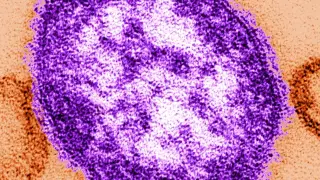
California health officials say fragments of the measles virus were detected in wastewater, indicating community transmission even if reported case numbers are incomplete. The finding underscores the value of wastewater-based surveillance for outbreak monitoring and prompts continued public health vigilance, vaccination promotion, and monitoring to curb spread.
NASA is testing a mobile Divergent Deployable Wastewater Treatment Facility—built at Kennedy Space Center—to process crew wastewater into water and nutrients for a hydroponic garden as part of simulating long-duration lunar and Martian habitats. The 8.5-by-24-foot trailer carries three bioreactors and autonomous controls to treat separate waste streams (urine, hygiene, laundry, fecal, and food waste) and integrate with an analog habitat at the University of North Dakota, helping assess operations, training needs, system reliability, and potential links to in-space manufacturing and closed-loop life support.
Wastewater testing shows high rotavirus levels in the Boise area, signaling a contagious stomach flu that mainly endangers infants and young children. Common symptoms include severe watery diarrhea, vomiting, and fever, with dehydration being a major risk that can require hospitalization. There is no specific antiviral treatment; most cases are managed with rest and fluids, though more serious cases may need hospital care. Vaccination is the best prevention, supplemented by thorough handwashing and routine surface disinfection to slow spread. Seek medical care for dehydration, persistent vomiting, high fever, or severe abdominal pain, and be aware of rare complications like intussusception that require urgent attention.
Norovirus levels in untreated wastewater at Ashtabula's treatment plant in northeastern Ohio are rising, signaling a potential outbreak; health officials warn the virus is highly contagious, with symptoms like nausea, vomiting, and diarrhea that typically resolve in 1–2 days, and urge residents to wash hands, practice safe food handling, and disinfect surfaces regularly.
A Current Biology study in Sweden’s Lake Vättern found environmentally relevant levels of cocaine and its main metabolite benzoylecgonine in wastewater cause juvenile Atlantic salmon to swim up to 1.9 times farther per week and disperse up to about 12 km, with the metabolite sometimes having a stronger effect than the drug itself, highlighting that low concentrations of drug residues in waterways can alter wildlife behavior and potentially disrupt ecosystems.
A two-month study in Lake Vättern found juvenile Atlantic salmon exposed to cocaine or its main metabolite benzoylecgonine swam longer distances and moved farther north than unexposed controls, with the metabolite causing the larger change. The results suggest drug pollution in rivers and lakes could alter salmon behavior and survival, highlighting the need for better wastewater management and greener medicines to reduce environmental risk.
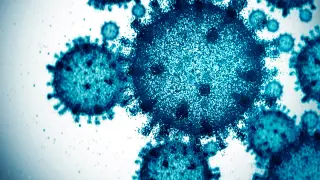
The World Health Organization is closely monitoring Cicada, a new COVID-19 variant identified in at least 23 countries and detected in wastewater in more than 20 U.S. states; first identified in South Africa in 2024, it has not yet caused major U.S. case surges, and vaccines or prior infections may confer immunity, with WHO classifying it as a variant under monitoring in 2025.
A Bahamas study of 85 sharks around Eleuthera found drugs in 28 individuals: caffeine was most common, with two sharks testing positive for cocaine and others for acetaminophen and diclofenac, suggesting pollution from wastewater and tourism; researchers warn of potential increased stress and detoxification energy use, and call for better wastewater management and more research on ecological impacts.
A new Covid variant, BA.3.2—descended from Omicron—has begun circulating in the United States, detected in travelers, patients, and wastewater samples across more than 20 states and in wastewater from dozens more, with reports spanning at least 25 states and 23 countries. Early lab data suggest BA.3.2 carries spike mutations that may help it evade antibodies generated by current vaccines, prompting monitoring of vaccine effectiveness and potential updates. While not yet the dominant U.S. variant and there’s no clear evidence it causes more severe disease, experts urge vigilance as the virus continues to mutate.
Texas A&M researchers show treated wastewater can release essential nutrients from Moon- and Mars-like dust, turning barren regolith into a potential soil for crops in future space habitats. The approach supports closed-loop space farming by using wastewater not only for plant feeding but also to unlock nutrients in extraterrestrial dust, though challenges remain with mineral-driven nutrient binding, salinity, and long-term stability. Future work will test real crops and robust monitoring to ensure safe, reliable off-world agriculture.
A Johns Hopkins study shows crops irrigated with treated wastewater accumulate psychoactive drug residues mainly in leaves rather than edible parts, with leaf concentrations in tomatoes far higher than in fruit and carrot leaves higher than roots; drug behavior varies by compound, informing risk assessment and future monitoring/regulation.
A January pipe collapse led to a sewage spill into the Potomac River, spotlighting aging wastewater infrastructure in the DC region and sparking renewed worries about the resilience and environmental/public-health implications of U.S. water systems.