
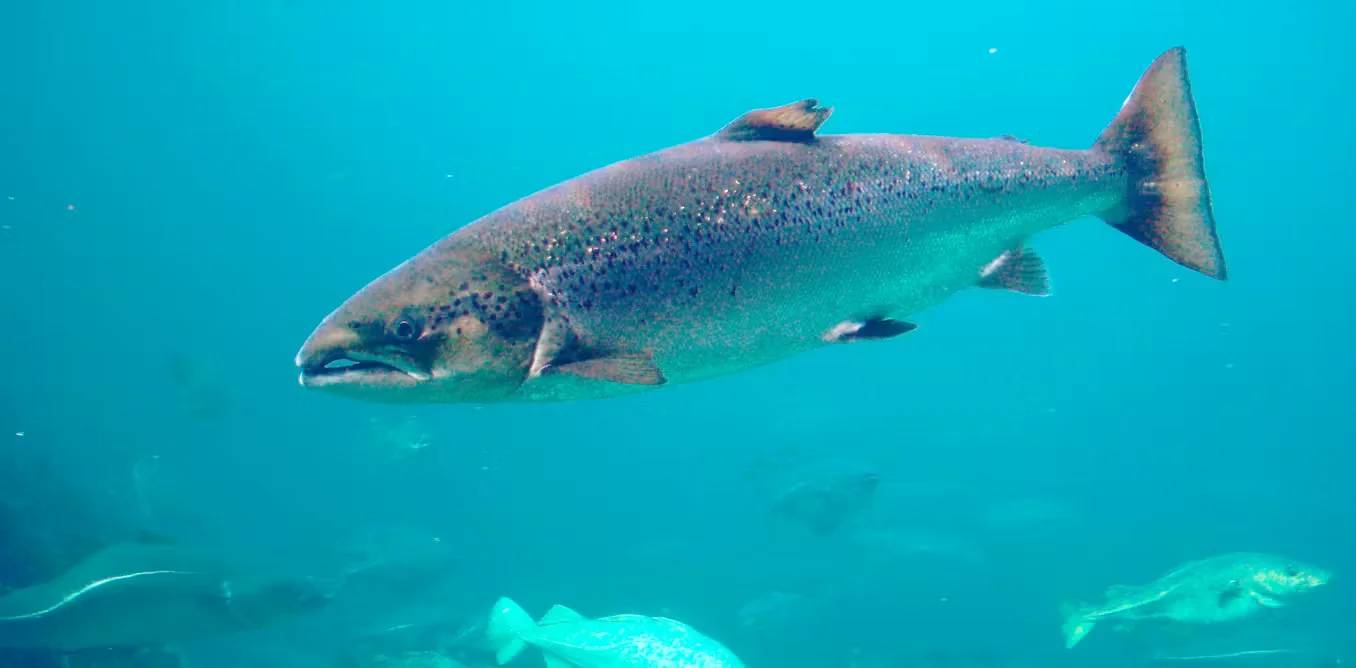
Cocaine in wastewater nudges salmon to roam farther, study finds
A Current Biology study in Sweden’s Lake Vättern found environmentally relevant levels of cocaine and its main metabolite benzoylecgonine in wastewater cause juvenile Atlantic salmon to swim up to 1.9 times farther per week and disperse up to about 12 km, with the metabolite sometimes having a stronger effect than the drug itself, highlighting that low concentrations of drug residues in waterways can alter wildlife behavior and potentially disrupt ecosystems.