
COP31 enters overtime as fossil fuel omission and finance gaps stall global climate deal
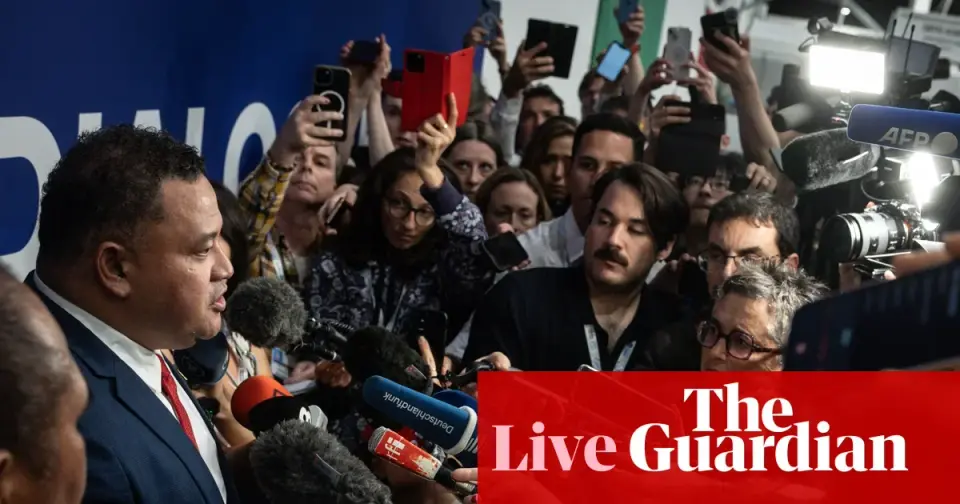
COP31 negotiations in Antalya, Turkey, have extended into overtime, with talks potentially running past Sunday. The primary sticking point is the removal of language regarding fossil fuel phase-downs from the draft agreement, a move opposed by the EU, small island states, and developing nations. While 100 civil society groups warned the summit risks becoming a historic failure, the joint presidencies of Australia and Turkey are pushing for a focus on electrification targets rather than explicit fossil fuel restrictions. Climate scientists note that while carbon capture technologies are scientifically necessary for limiting warming, their inclusion without fossil fuel reductions is viewed by critics as a loophole for continued emissions.
Key points
- Negotiations at COP31 in Antalya have exceeded the scheduled deadline, with delegations extending stays to Monday as consensus remains elusive.
- The draft 'cover decision' text omits any reference to fossil fuels, a change demanded by petro-states like Saudi Arabia but rejected by the EU, Panama, and small island nations.
- 100 environmental organizations, including Greenpeace and WWF, sent a letter to the joint presidents, Chris Bowen and Murat Kurum, warning the summit could be the 'most disappointing' in UNFCCC history.
- The draft text includes targets for accelerating carbon capture and storage (CCUS), which critics argue serves as a 'false solution' allowing continued fossil fuel use, while proponents note it is scientifically required for carbon removal.
- Developing nations are demanding increased adaptation finance, with the Africa Group calling for a tripling of funds, though the EU has resisted new financial commitments, citing existing pledges.
- The summit is occurring against a backdrop of record-breaking global temperatures and a severe El Niño event, with 2026 likely to tie 2024 as the hottest year on record.
Background
COP31, held in Antalya, Turkey, is co-hosted by Australia and focuses on implementing previous pledges rather than setting new ones. The summit began in November 2026 amid a severe El Niño event and the absence of the United States, which has withdrawn from the UN climate convention. Previous conferences, such as COP28 in Baku and COP15 in Copenhagen, have faced similar deadlocks over finance and fossil fuel language, often requiring last-minute interventions or resulting in weak agreements. The current negotiations follow a five-year stall in progress on slowing global warming, as noted by the Climate Action Tracker.
How outlets are covering it
The Guardian and BBC report that the EU, led by France and Panama, is pushing to reinstate fossil fuel language, while the Arab Group, led by Saudi Arabia, opposes it. The Guardian highlights that 100 civil society groups, including 350.org and Climate Action Network, have condemned the draft text as a 'gift to the fossil fuel industry.' In contrast, the joint presidencies of Australia and Turkey, represented by Chris Bowen and Murat Kurum, argue that the summit should focus on 'implementation' and electrification targets rather than fossil fuel phase-downs. The BBC notes that some EU nations declined to join the rebellion against the draft, considering it unhelpful to negotiations. Climate scientists, such as Johan Rockström, argue that while carbon capture is necessary for limiting warming, it must not be used as a substitute for phasing out fossil fuels. The Guardian also reports that the US did not participate directly in the talks, while the BBC notes that the US, China, and Russia agreed to increase oil production in Shenzhen, highlighting the tension between diplomatic climate goals and energy production.
Why it matters
The outcome of COP31 will determine the global trajectory for climate action in the coming decade. A failure to address fossil fuels and climate finance could leave developing nations, particularly in the Global South, without the resources to adapt to worsening climate impacts. The summit's potential failure to reach a consensus could set a precedent for future negotiations, undermining the Paris Agreement's goal of limiting warming to 1.5 degrees Celsius. As the world enters a period of 'overshoot,' with 2026 likely to be the hottest year on record, the lack of a strong agreement at COP31 could exacerbate the humanitarian and economic consequences of climate change, including flooding, drought, and food insecurity.
What to watch
Negotiations are expected to continue into Monday, with the joint presidencies attempting to bridge the gap between developed and developing nations. The next climate summit, COP32, will be held in Addis Ababa, Ethiopia, in November 2027. The outcome of COP31 will likely influence the roadmap for transitioning away from fossil fuels, as outlined in the COP30 roadmap. Civil society groups are expected to continue monitoring the negotiations and may hold further protests if the draft text is not amended. The International Court of Justice's advisory opinion on states' duty to protect the climate may also be referenced in future negotiations.
- Cop31 live: world urged to avoid one of ‘most disappointing Cops ever’ as talks stretch past deadline The Guardian
- Climate talks in overtime as nations wrestle with response to worsening global warming TribLIVE.com
- Fight over fossil fuels leaves COP31 climate talks in deadlock BBC
- Humanity’s oldest art is being erased by climate change CNN
- COP31: UN Climate summit runs long with no deal in sight after fossil fuels omitted from draft DW.com
Want the full story? Read the original reporting
Read on The Guardian