
Cornwall seagrass restoration trial yields 430 new shoots in Fowey Estuary
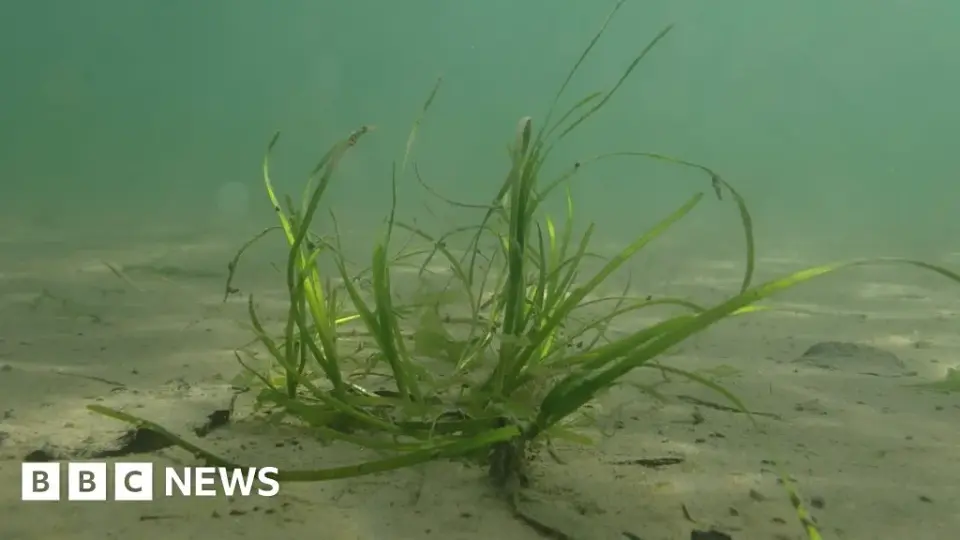
Cornwall Wildlife Trust reports the discovery of over 430 seagrass shoots in the Fowey Estuary, a significant recovery after a slow start. The growth, recorded across 50 seabed patches, validates a 2022 restoration partnership despite earlier setbacks in other areas. Conservationists plan further planting in the Fowey and Helford Estuaries, aiming to rebuild habitats that have declined by 92% in mainland Britain.
Key points
- More than 430 seagrass shoots were identified in the Fowey Estuary during summer surveys by Cornwall Wildlife Trust.
- The new growth was found across 50 distinct patches of seabed, reversing initial concerns that only six seedlings had emerged by April.
- Volunteers collected seeds from a donor meadow in Torpoint in autumn 2025 and planted them in the estuary, with growth beginning in spring.
- The project, known as Seeding Change Together, is a partnership between Cornwall Wildlife Trust and Seasalt Cornwall that began in 2022.
- Mainland Britain has lost up to 92% of its seagrass meadows over the last century, making this restoration effort critical for carbon capture and marine shelter.
Background
Seagrass is often described as the sea's equivalent of a woodland, providing shelter for marine life, improving water quality, and locking away carbon. Previous research highlighted by the project indicates seagrass can capture carbon up to 35 times faster than tropical rainforests. The current effort builds on earlier trials in Cornwall's estuaries where volunteers tested different restoration methods. While the Fowey Estuary has shown success, the Helford Estuary faced setbacks where algal growth wiped out some planted seedlings, though a few plants later survived and began spreading.
Why it matters
The success of the Fowey Estuary trial offers hope for restoring one of the UK's most important marine habitats. Seagrass meadows play a vital role in coastal erosion reduction, water quality improvement, and carbon sequestration. The findings demonstrate that restoration requires time and persistence, providing a model for future efforts in other UK estuaries and potentially aiding broader climate change mitigation strategies.
What to watch
More seeds are scheduled to be planted in both the Fowey and Helford Estuaries. Further monitoring is planned for spring 2027 to assess the long-term viability and spread of the seagrass populations. The Cornwall Wildlife Trust continues to emphasize the importance of learning from setbacks, such as the algal growth issues in the Helford Estuary, to refine restoration methods.
Want the full story? Read the original reporting
Read on BBC