
Eight Months of War in the Persian Gulf Have Created a Generational Environmental Crisis
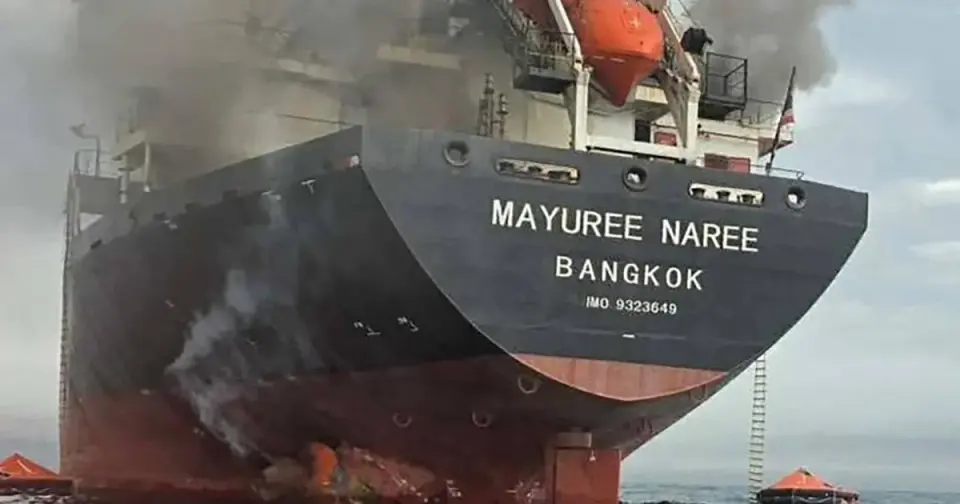
The eight-month conflict between the United States and Iran has turned the Strait of Hormuz into a battlefield, causing over 133 attacks on oil tankers and more than 500 oil spills. Greenpeace estimates the cumulative pollution covers an area the size of Wales, threatening marine ecosystems with long-term damage.
Key points
- The war, which began on February 28, 2026, has resulted in over 133 attacks on oil tankers in the Strait of Hormuz and surrounding waters, according to Greenpeace.
- Satellite monitoring has identified more than 500 oil spills, with October being the worst month, recording over 30 confirmed or reported attacks in the Strait of Hormuz.
- The cumulative area of oil spills is estimated to be approximately 20,000 square kilometers, an area nearly the size of Wales, according to Greenpeace expert Nina Noelle.
- The pollution has spread across the Persian Gulf, contaminating coastlines and threatening marine ecosystems that support dolphins, sea turtles, and countless fish species.
- Marine biologist Bernhard Riegl warns that the shallow waters of the Gulf, combined with summer heat, make the ecosystem particularly vulnerable to oil pollution, which could cause lasting damage.
- The naval blockade of the Strait of Hormuz has made on-the-ground documentation of the pollution nearly impossible, forcing reliance on satellite imagery and expert testimony.
Background
The Persian Gulf has a history of environmental damage from conflict. A 2020 study traced widespread deposits of tar on Qatari beaches to the Gulf war, and a 2022 study found sediment on Saudi Arabia's Abu Ali Island still contaminated by oil from the 1983-85 Nowruz spills during the Iran-Iraq war, which collectively leaked 80 million gallons of crude into the sea. These historical events highlight the long-lasting impact of large-scale oil pollution on Gulf ecosystems.
How outlets are covering it
Greenpeace and marine biologists like Bernhard Riegl emphasize the long-term, generational impact of the oil spills on the fragile marine ecosystem of the Persian Gulf. They argue that the shallow waters and summer heat make the region particularly vulnerable to oil pollution, which could cause lasting damage to coral reefs, mangroves, and marine life. In contrast, some Gulf states, such as the UAE and Oman, have focused on immediate cleanup efforts, such as closing beaches and deploying divers to remove oil from coastlines. The Wall Street Journal reports that the largest oil spill was caused by a strike carried out by the UAE's air force on oil storage tanks on Lavan Island, highlighting the complex responsibility for the environmental damage. The ongoing naval blockade of the Strait of Hormuz has made on-the-ground documentation of the pollution nearly impossible, forcing reliance on satellite imagery and expert testimony. Some researchers and environmentalists in Iran and Gulf states have been instructed by domestic authorities not to speak publicly about the environmental damage caused by the war, further complicating the assessment of the full extent of the damage.
Why it matters
The environmental damage caused by the war in the Persian Gulf is not just a local issue but a global concern. The Strait of Hormuz is a critical shipping route for oil, and the pollution from the oil spills could have long-term effects on marine ecosystems and coastal communities that depend on fishing. The historical evidence from previous conflicts in the region shows that oil pollution can persist for decades, causing lasting damage to marine life. The ongoing war and the potential for further escalation raise concerns about the long-term impact on the fragile marine ecosystem of the Persian Gulf.
What to watch
Environmental organizations are continuing to analyze satellite imagery to monitor the oil spills, but the full extent of the damage cannot be established without on-the-ground investigations, which remain extremely difficult due to the naval blockade. If the war continues or escalates, the environmental damage could worsen, with long-term effects on marine ecosystems and coastal communities. The complex responsibility for the environmental damage, involving multiple parties, makes it difficult to establish accountability. The ongoing cleanup efforts by Gulf states, such as the UAE and Oman, are crucial in mitigating the immediate impact of the oil spills, but the long-term effects remain a significant concern.
- Trump’s War Poses a “Generational Threat” to Wildlife in the Persian Gulf Mother Jones
- Strait of Hormuz Swimmer chronicleonline.com
- Iran Just Got Handed the Bill for the Tanker War: More Than 133 Attacks on Oil Tankers and Damage That Could Last Decades National Security Journal
- Endurance athlete swims in Strait of Hormuz to highlight the war's impact on wildlife Yahoo
- Endurance athlete swims in Strait of Hormuz to highlight Iran war's impact on wildlife Newsday
Want the full story? Read the original reporting
Read on Mother Jones