Tag

Marine Life

All articles tagged with #marine life

Nine Weird Crabs: Toxic Killers, Giant Shellade Barbarians, and Other Ocean Oddities
science28 days ago

Nine Weird Crabs: Toxic Killers, Giant Shellade Barbarians, and Other Ocean Oddities

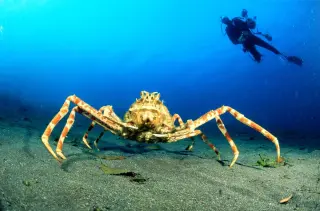
Nine ocean crustaceans nicknamed crabs—many aren’t true crabs—showcase toxic defenses, colossal sizes, and unusual adaptations: from the toxic xanthid crabs and the car-sized Japanese spider crab to porcelain and hermit crabs, boxer crabs that wield anemone “gloves,” spiny spider crabs’ debris camouflage, devil crabs’ neurotoxins, spanner crabs’ tool-like claws, and zebra crabs that parasitize venomous urchins; the piece also explains what defines a true crab and how evolution can reshape crustaceans.

El Niño Threat Looms: California Faces Wet Winters, Flood Risks, and Shifts in Sea Life
environment29 days ago

El Niño Threat Looms: California Faces Wet Winters, Flood Risks, and Shifts in Sea Life

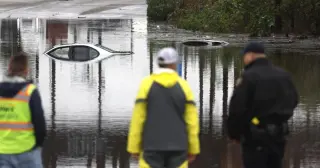
El Niño has arrived and could be among the strongest on record, likely bringing a wetter winter to California, higher coastal flooding risk, and warmer coastal waters that may draw more sharks and other marine life nearshore, while also stressing ecosystems and potentially triggering harmful algal blooms and fishing impacts.

El Niño Arrives: SoCal Prepares for a Potentially Wet and Ocean-Changing Winter
climate-and-environment1 month ago

El Niño Arrives: SoCal Prepares for a Potentially Wet and Ocean-Changing Winter

El Niño has arrived with a 63% chance of a very strong event later this year, increasing the odds of a wetter-than-normal California winter. Past very strong El Niños brought heavy rain and damage, though rainfall isn’t guaranteed and coastal hazards like large waves and rip currents can accompany wetter years. Beyond weather, warmer Pacific waters and marine heat waves linked to El Niño may affect ocean life—with more jellyfish and sharks, kelp loss, and stress to other species—likely keeping ocean conditions unsettled into next winter.

The Venomous Beauty of Cone Snails: Harpoons, Toxins, and the Danger of Collecting Shells
science1 month ago

The Venomous Beauty of Cone Snails: Harpoons, Toxins, and the Danger of Collecting Shells

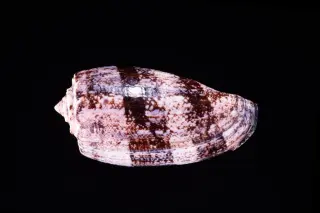
Cone snails are a diverse group of venomous sea snails that hunt with a harpoon-like tooth that injects neurotoxins, quickly paralyzing prey and sometimes causing death in humans; their striking shells attract collectors, but even empty shells can injure due to residual venom, so people are advised to avoid handling them and to photograph instead, with some areas even restricting shell removal.

Maui Local Praised for Defending Endangered Monk Seal After Rock-Tossing Tourist
us-news2 months ago

Maui Local Praised for Defending Endangered Monk Seal After Rock-Tossing Tourist

A Hawaiian local was hailed as a hero after a Seattle tourist threw a large rock at Lani, an endangered monk seal off Lahaina. The attacker was detained and later released; the incident drew wide praise for citizen intervention and prompted a letter of recognition from a Maui official. The Hawaii Dept. of Natural Resources turned the case over to NOAA for possible federal charges under wildlife protection laws. Lani has become a symbol of Maui’s recovery following the Lahaina wildfires.

Cambrian Comeback: 91 New Species Revealed in China After Earth's First Mass Extinction
science4 months ago

Cambrian Comeback: 91 New Species Revealed in China After Earth's First Mass Extinction

In a Chinese quarry, researchers uncovered the Huayuan biota dating to about 513 million years ago—over 50,000 fossils across 153 species, 91 of which are new—preserving soft tissues like guts, nerves, and eyes. This Konservat Lagerstätte shows a rapid ecological rebound within roughly 1.5 million years after the first mass extinction, with deep-water refuges and larval dispersal linking Cambrian communities across oceans to later deposits such as the Burgess Shale.

Giant phantom jellyfish captured in stunning deep-sea footage
science5 months ago

Giant phantom jellyfish captured in stunning deep-sea footage

Scientists filming off Argentina’s coast with the Schmidt Ocean Institute’s ROV SuBastian captured rare footage of Stygiomedusa gigantea, a schoolbus-sized phantom jellyfish that can reach about 33 feet in length at depths around 820 feet; the deep-sea sighting, notable for its four ribbon-like arms used to snare prey, came amid footage of potential new species and rich reef systems uncovered during the expedition.