
Record Ocean Heatwaves Threaten Europe's Marine Ecosystems
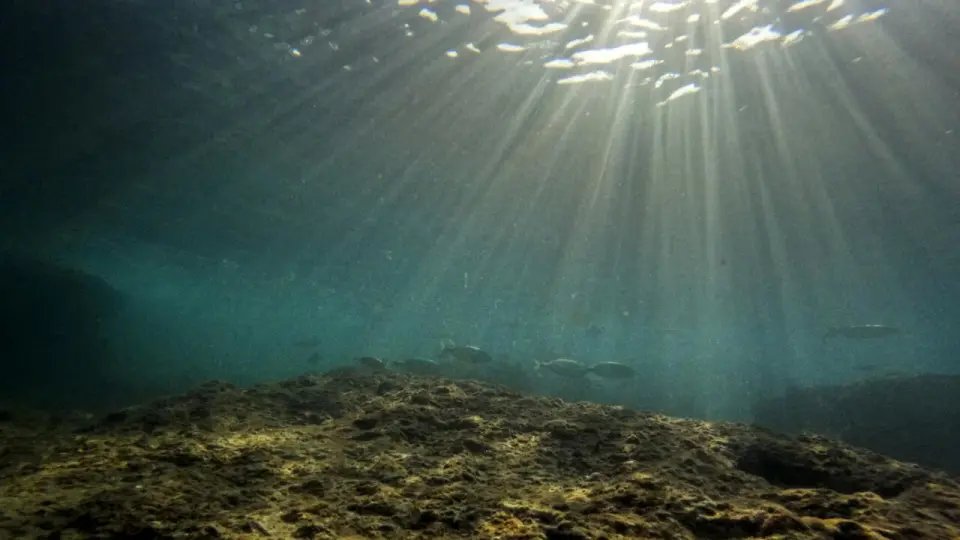
Scientists attribute record-breaking sea temperatures around Europe to human-caused climate change, warning of severe risks to marine ecosystems and coastal communities.
Key points
- The Mediterranean Sea reached a record average temperature of 27 degrees Celsius in July 2026, with waters near Mallorca hitting 33 degrees Celsius in early August.
- World Weather Attribution analysis indicates that human-caused warming added approximately 2 degrees Celsius to the Mediterranean and 1.4 degrees Celsius to Western European seas.
- Marine heatwave conditions affected 90 percent of the Bay of Biscay and 80 percent of the western Mediterranean this year, compared to roughly 40 percent in a world without climate change.
- Warmer seas are causing mass die-offs of species like corals, disrupting food chains, and increasing the risk of intense storms and extreme rainfall along coastlines.
Background
This development follows a series of record-breaking heat events across Europe in 2026. Earlier this month, global sea temperatures reached a record 20.96 degrees Celsius, driven by El Niño and human warming. Concurrently, land-based heatwaves affected millions, with London reaching 38.1 degrees Celsius and severe droughts draining major rivers like the Rhine and Danube to historic lows.
How outlets are covering it
France 24 and Politico emphasize the direct link between fossil fuel emissions and the unprecedented expansion of marine heatwaves, highlighting the threat to coastal infrastructure and food supplies. The Guardian focuses on the 'massive expansion' of these heatwaves, noting that some waters were 6 degrees Celsius above normal. While all sources agree on the severity, The Guardian and Politico highlight the political tension, with critics questioning Europe's continued expansion of fossil fuel infrastructure despite the scientific evidence. France 24 notes the potential for these heatwaves to reshape ecosystems that communities rely on for income.
Why it matters
The rising ocean temperatures are not just an environmental issue but a direct threat to food security, economic stability, and public safety. As marine ecosystems collapse, fisheries suffer, and the risk of extreme weather events, such as floods and storms, increases for coastal populations. This underscores the urgent need for global action on greenhouse gas emissions to prevent irreversible damage to marine life and human communities.
What to watch
Scientists expect continued monitoring of sea surface temperatures and the long-term impacts on marine biodiversity. Policymakers may face increased pressure to accelerate emissions reductions and adapt coastal infrastructure to withstand more frequent and intense weather events. Further research will likely focus on the specific species most vulnerable to these temperature spikes and the potential for migration to cooler waters.
- Europe’s seas reach record heat as climate change threatens marine life France 24
- Carbon pollution has fuelled ‘massive expansion’ of marine heatwaves in Europe, study finds The Guardian
- Climate change is driving record heat in Europe's seas, scientists say Reuters
- Ocean Heat Waves Threaten to Supercharge Storm Season in Europe Bloomberg.com
- Climate change is cooking Europe’s oceans, scientists find politico.eu
Want the full story? Read the original reporting
Read on France 24