
Finland's AI Boom Collides with Environmental Reality as Google's Illegal Clearing Sparks National Crisis
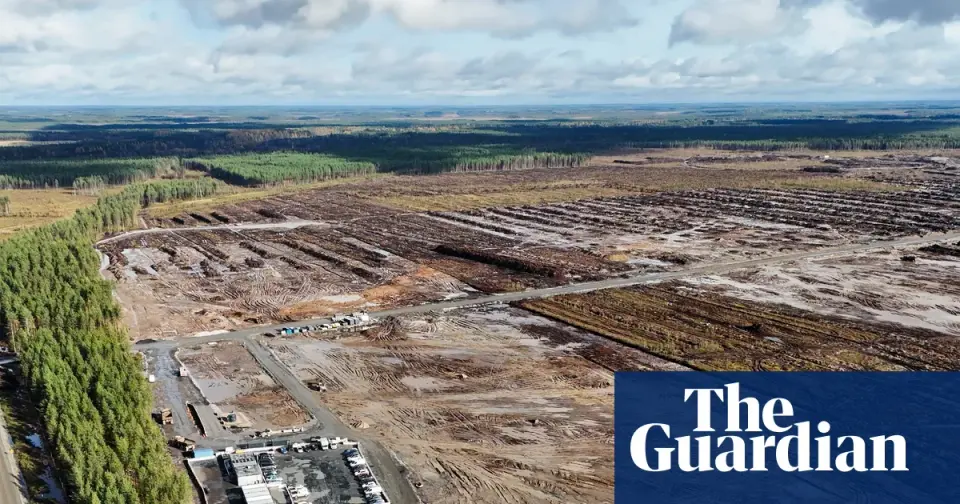
Google's illegal clear-cutting of 400,000 trees in northern Finland for AI data centers has triggered a national crisis, with regulators halting construction and citizens demanding stricter laws. The incident exposes tensions between massive tech investment and environmental protection, prompting a debate over the true benefits of data centers for local communities.
Key points
- Google illegally felled an estimated 250,000 trees in Muhos and 150,000 in Otanmäki without completing required environmental impact assessments, stripping topsoil and causing water runoff into the Oulujoki River.
- The Finnish Licensing and Supervision Authority (LVV) ordered Google to suspend work at both sites by October 23, threatening fines and enforcement proceedings if the company does not comply.
- A citizen petition has gathered over 96,400 signatures, demanding new legislation to regulate data center electricity use and a fee to compensate communities for environmental damage.
- Prime Minister Petteri Orpo initially praised the €13 billion investment as a 'top priority' but later called the incident a 'cold shower,' while Google's Finland manager apologized, claiming the company acted on a 'best understanding' of the law.
- Residents report severe ecological and social impacts, including wolves entering villages due to displaced prey, brown water in streams, and noise pollution, with some considering relocation.
Background
This incident follows earlier reports in October 2026 where Finnish authorities first halted Google's construction after discovering the illegal clearing. The current situation escalates that initial halt into a broader national debate, with the LVV now setting a firm deadline for compliance and citizens mobilizing through petitions. The dispute highlights a recurring tension in Finland, where 145 new data centers are planned, between attracting foreign tech investment and protecting the country's natural environment.
How outlets are covering it
The Guardian and Mother Jones emphasize the scale of the environmental damage and the 'arrogance' of Google's actions, focusing on the destruction of 400,000 trees and the resulting ecological chaos. Futurism broadens the scope, linking the Finnish incident to a global pattern of data center development destroying natural habitats, citing examples in the US. Common Dreams focuses on the political response, highlighting the petition's success in forcing a parliamentary debate and the demand for a 'data center fee.' While the Finnish government initially supported the investment, public opinion has shifted sharply, with experts like Jussi Kangasharju arguing that data centers offer minimal national benefits. Google's defense, cited across all sources, claims it acted in good faith and is now complying with LVV orders, but conservationists dismiss its pledge to plant trees on 130 hectares as insufficient.
Why it matters
The Google incident in Finland is a pivotal moment in the global AI infrastructure race, illustrating the environmental and social costs of rapid data center expansion. It forces a re-evaluation of how nations balance economic investment with ecological protection, potentially leading to new regulations that could affect tech companies worldwide. The crisis also raises questions about the true benefits of data centers for local communities, challenging the narrative that such investments are purely positive for host countries.
What to watch
Google must comply with the LVV's October 23 deadline to halt work or face fines and enforcement proceedings. The Finnish Parliament is expected to debate the petition's demands for stricter data center regulations and a compensation fee. The outcome of this case will likely influence future data center projects in Finland and potentially set a precedent for other countries grappling with the environmental impacts of AI infrastructure.
- ‘Pure arrogance’: anger in Finland as Google illegally fells 250,000 trees for datacentre The Guardian
- Google told to halt work on Finnish data centers after clearing an estimated 250,000 trees Fortune
- Wolves Descend on Finnish Villages After Google Hacked Down 1,300 Acres of Habitat to Make Room for AI Data Centers Futurism
- Finns Are Seething After Google Illegally Toppled 250,000 Trees for a Data Center Mother Jones
- Finnish Petition Demands Data Center Regulation After Google Felled 250,000 Trees to Make Way for AI Project Common Dreams
Want the full story? Read the original reporting
Read on The Guardian