
Five-Year War Devastates Ukraine’s Unique Biodiversity and Wildlife Habitats
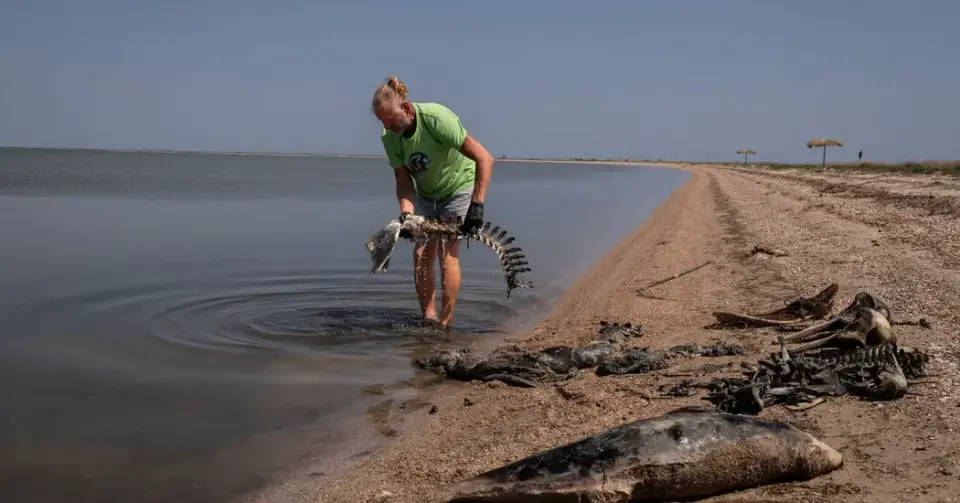
The ongoing conflict in Ukraine has caused severe ecological damage, threatening the country's unique biodiversity. Drone debris has ignited forest fires, while marine species like dolphins are washing up on shores. Ukraine, which holds 35% of Europe's biodiversity, faces a long-term environmental crisis alongside the human toll of the war.
Key points
- Ukraine is home to approximately 70,000 plant and animal species, many of which are rare and found nowhere else in the world.
- The country accounts for 35% of Europe's biodiversity despite comprising less than 6% of the continent's land mass.
- Debris from military drones has sparked fires that have burned thousands of acres of forest habitat.
- Remains of dolphins and porpoises have been found washing up on Ukrainian shores, indicating marine ecosystem distress.
- While some injured animals have been rescued, the majority have not survived the environmental impact of the war.
Background
This environmental crisis occurs as the war enters its fifth year. Recent diplomatic efforts, including a trilateral summit in Shenzhen involving US, Chinese, and Russian leaders, failed to produce concrete peace terms for Ukraine. Meanwhile, ongoing Russian missile strikes continue to damage infrastructure in Kyiv, and tensions remain high along NATO borders, with recent incidents in Poland raising fears of further escalation. The ecological damage reported here adds a new dimension to the conflict's long-term consequences, distinct from the immediate military and diplomatic struggles.
Why it matters
The destruction of Ukraine's ecosystems threatens global biodiversity and highlights the often-overlooked environmental costs of prolonged warfare. The loss of rare species and habitat degradation could have irreversible effects on the region's ecological balance, complicating future recovery and restoration efforts regardless of the war's outcome.
What to watch
Environmental monitoring and conservation efforts may need to expand to address the long-term impact of the war on Ukraine's wildlife and habitats. International attention to the ecological damage could influence post-conflict reconstruction priorities and environmental policy discussions.
Want the full story? Read the original reporting
Read on The New York Times