
Study Links U.S. Embassy Air Monitoring Cutoff to Global Pollution Spikes
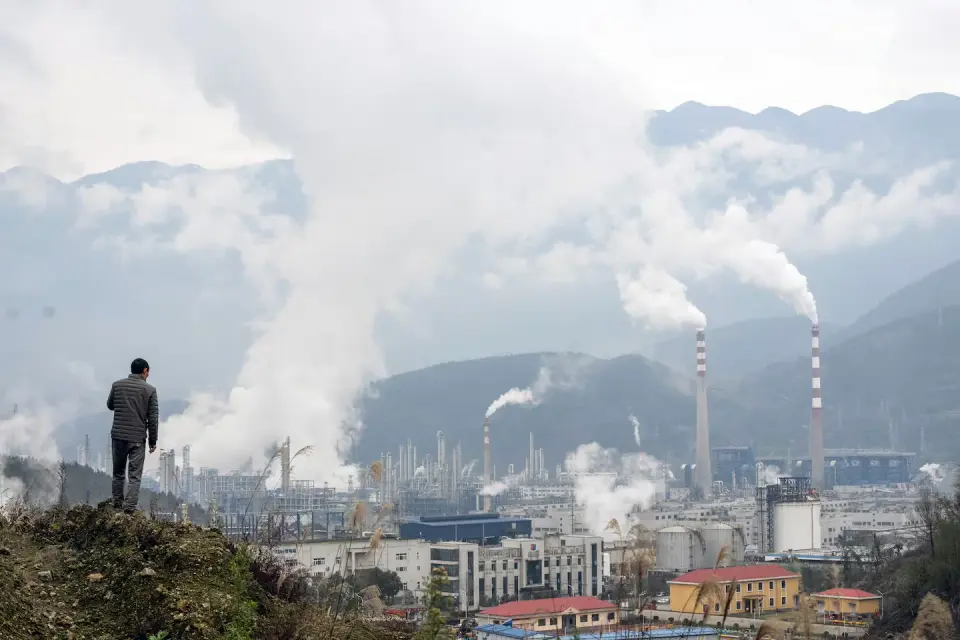
A new study finds that air pollution levels rose in 46 cities after the U.S. State Department ended its global air quality monitoring program in March 2025. The program, which operated from 2008 to 2025, provided independent data at over 80 diplomatic sites that previously prompted local government action. The Trump administration cited budget constraints for the decision, but experts argue the loss of this data has reduced accountability and worsened public health outcomes in affected regions.
Key points
- The U.S. State Department halted its air quality monitoring program at over 80 embassies and consulates in March 2025, citing budget constraints.
- A study published in the Proceedings of the National Academy of Sciences found that air pollution increased in 46 cities following the cessation of these readings.
- The program, active since 2008, provided independent data that previously spurred local governments to take action on pollution control.
- Experts warn that the loss of this independent data undermines public health accountability and environmental oversight in host countries.
Background
This development follows a broader trend of reduced U.S. engagement in international environmental data sharing. Recent reports have highlighted the critical role of air quality monitoring in public health, such as a South African study linking pollution to increased risks of pneumonia and sepsis, and ongoing issues in Indonesia where El Niño-driven fires have exacerbated air quality problems. The U.S. decision to cut this program contrasts with the continued reliance on such data by local governments and health organizations worldwide.
Why it matters
The cessation of U.S. embassy air monitoring removes a key source of independent data that previously held local governments accountable for pollution levels. This gap may lead to increased health risks in affected cities, as the loss of real-time data hampers timely responses to environmental hazards. The study underscores the importance of international cooperation in environmental monitoring and the potential consequences of unilateral policy decisions on global public health.
What to watch
Local governments and health organizations in affected regions may need to seek alternative sources for air quality data or advocate for the reinstatement of monitoring programs. The U.S. State Department may face pressure to reconsider its budget decisions if the health impacts of the data gap become more pronounced. Additionally, international bodies may push for new frameworks to ensure continuous environmental monitoring in diplomatic locations.
Want the full story? Read the original reporting
Read on The Washington Post