
Green-tech’s hidden cost: critical minerals drain water and livelihoods in the Global South
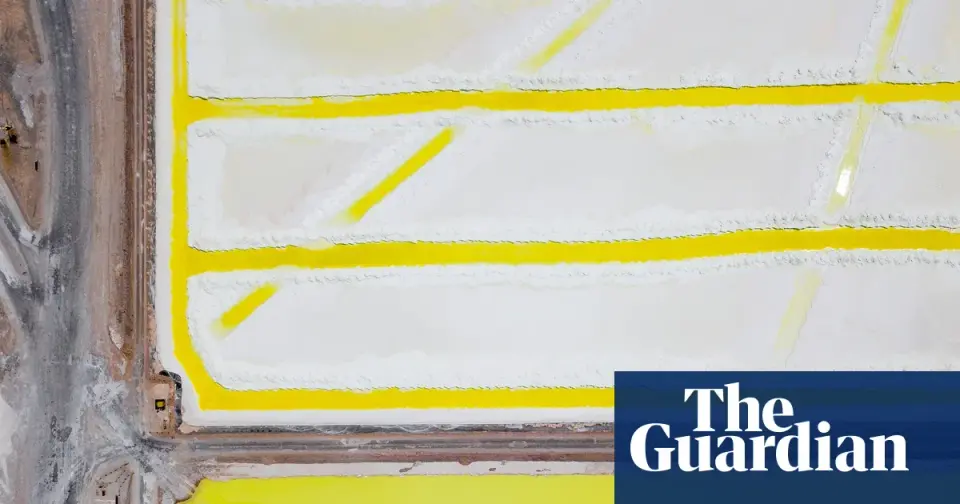
A UNU-INWEH report warns that surging demand for lithium, cobalt and nickel—the core of batteries and chips—drains water, contaminates rivers, hurts agriculture, and harms health in poor mining regions from the DRC to Chile and Bolivia. About 456 billion litres of water were used to extract 240,000 tonnes of lithium in 2024, while cobalt and nickel pose additional risks; 700 million tonnes of waste were generated by global rare-earth production. Although greener energy reduces emissions for consumers in the Global North, the costs fall on communities far away, prompting protests and calls for mandatory international due diligence, tighter pollution controls, and independent water monitoring as the green transition expands. Without reform, developing countries risk bearing the burden of a transition that wealthier nations benefit from.
- Critical minerals are ‘oil of 21st century’ as demand fuels poverty and pollution in poorer countries The Guardian
- The race to mine critical minerals for AI and clean energy is creating ‘sacrifice zones’ that harm water and health of world’s poor The Conversation
- In the critical mineral race, UN body highlights tools for fairer deals Geneva Solutions
- Asia’s clean energy boom risks draining its water, resources ucanews.com
- How to Think About the Extractive Problem of Lithium Mining Inside Climate News
Want the full story? Read the original reporting
Read on The Guardian