
Climate advisers demand aviation pay for carbon removal before Heathrow expansion
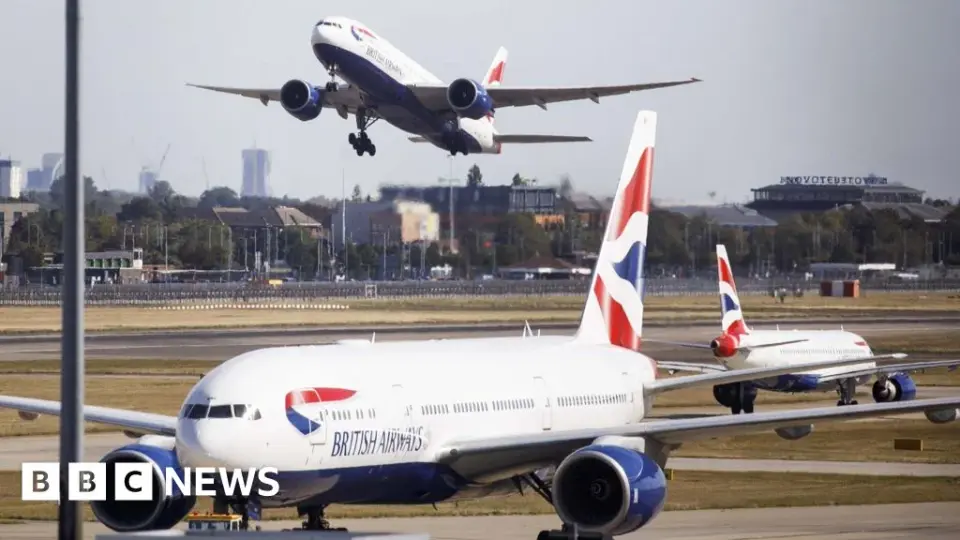
The UK Climate Change Committee (CCC) advises that a third runway at Heathrow should only proceed if the aviation industry funds sustainable fuels and carbon removal technologies. The report warns that expansion would breach net-zero targets without these measures, potentially raising flight costs by up to £400 by 2050. While the government intends to proceed with the £33bn project, critics argue the proposed technologies are not yet scalable, and airlines oppose the cost burden.
Key points
- The CCC states Heathrow expansion is currently incompatible with the UK's net-zero target unless airlines pay for decarbonization.
- The committee recommends legislation requiring the aviation industry to fund carbon removal and sustainable aviation fuels (SAF).
- Projected costs for passengers include a £150 increase for a return trip to Alicante and £400 for New York by 2050.
- The £33bn expansion project aims to raise capacity to 150 million passengers annually, up from 85 million.
- A formal vote in the House of Commons is expected later this year to approve the planning framework.
Background
This debate follows years of political opposition to the third runway, including concerns from Prime Minister Andy Burnham regarding regional investment and noise pollution for local residents. The current proposal is part of a broader UK consultation assessing expansion against economic, climate, air quality, and noise criteria.
How outlets are covering it
The CCC and environmental groups like Friends of the Earth argue that relying on unproven carbon removal technologies is insufficient and that expansion should be halted. Conversely, Airlines UK and Heathrow oppose the CCC's approach, warning that increased costs would make flying unaffordable for the general public. The Department for Transport supports the expansion, citing potential economic benefits of £40bn and 60,000 jobs, while acknowledging the need for alignment with climate targets.
Why it matters
The decision sets a precedent for how infrastructure projects will balance economic growth with climate commitments in the UK. It highlights the tension between immediate economic gains and long-term environmental sustainability, potentially influencing future aviation policies across Europe.
What to watch
The government will review the CCC's advice alongside other consultation responses. A decisive vote in the House of Commons is anticipated later in 2026 to determine the legal framework for the expansion.
- Third Heathrow runway should only go ahead if airlines pay for cleaner flying, say advisers BBC
- Airlines should pay for CO2 removal if Heathrow expands, say climate advisers The Guardian
- Air Fares Must Rise if Heathrow Adds a Third Runway, Climate Watchdog Says Bloomberg.com
- UK airport capacity and decarbonisation: design notes for civil engineers Geomechanics.io
- Heathrow expansion 'illogical' say locals facing increased noise and pollution Teddington Nub News
Want the full story? Read the original reporting
Read on BBC