
Himalayan Glacial Melting Accelerates, Triggering Deadly Floods and Climate Justice Demands
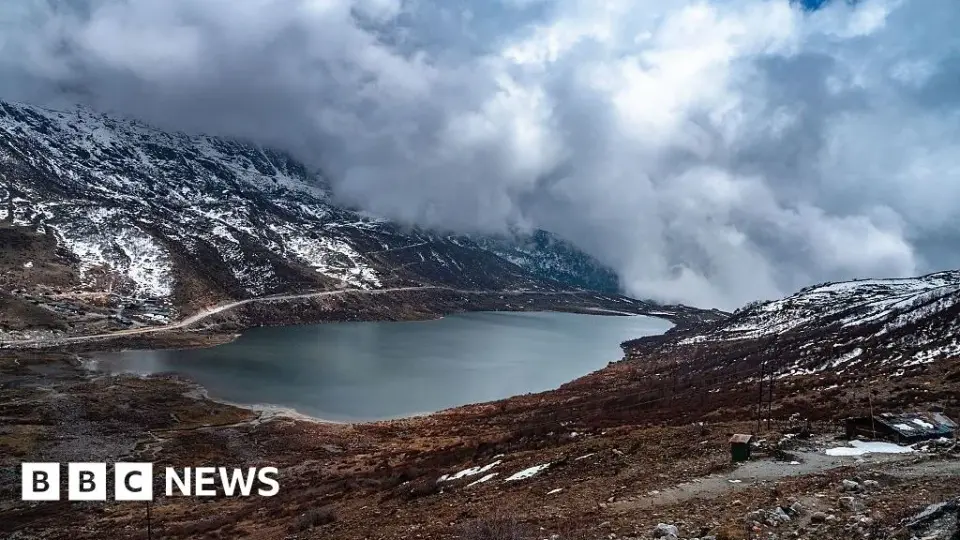
A new report indicates Himalayan glaciers are losing mass 65% faster than a decade ago, contributing to catastrophic floods in Nepal and Tibet that killed over 1,300 people. While reconstruction costs are estimated at $5 billion, Nepal is demanding $20 million in climate compensation from the UN, arguing that high-emitting nations must bear the financial burden of a crisis they did not create.
Key points
- A Systemiq report states that Himalayan glaciers are melting 65% faster than in the previous decade, with only 21 of 40,000 glaciers currently monitored in detail.
- Recent floods in Nepal and Tibet, triggered by a glacial collapse, resulted in over 1,300 deaths and 5,651 missing persons, causing widespread infrastructure damage.
- Nepal’s government has requested $20 million from the UN Loss and Damage Fund, citing that the country accounts for less than 0.1% of global emissions.
- Reconstruction is estimated to cost at least $5 billion, with potential long-term GDP losses of 4% by 2050 if warming continues at current rates.
- Prime Minister Balendra Shah is facing scrutiny for his disaster response, though public trust remains high due to his direct social media communication and appeal for international climate justice.
Background
This event follows a series of earlier reports in September 2026 regarding the initial glacier collapse in Langtang National Park. Previous coverage highlighted the seismic-like signals of the collapse and the immediate destruction of trade routes, particularly the Rasuwaghadi border crossing, which had already been damaged by the 2015 earthquake.
How outlets are covering it
BBC and Al Jazeera emphasize the scientific acceleration of glacial melt and the resulting economic risks to India and South Asia, noting that Himalayan water underpins 20% of India's GDP. CNN focuses on the economic fallout for Nepal, highlighting rising costs for gas and food, and the strain on trade corridors. ABC News highlights the political dimension, focusing on Prime Minister Balendra Shah's response and the public's trust in his government despite initial delays in accepting international aid. Al Jazeera and CNN both highlight the 'climate justice' narrative, where Nepal argues that high-emitting nations must compensate for the disproportionate impact of climate change on low-emitting countries.
Why it matters
The accelerating loss of Himalayan glaciers threatens the water supply for hundreds of millions of people across South Asia, impacting agriculture, hydropower, and economic stability. The disaster underscores the urgent need for cross-border monitoring and climate compensation mechanisms, as the region faces a 'tipping point' that could lead to cascading hazards and significant economic losses for vulnerable nations like Nepal.
What to watch
Prime Minister Balendra Shah is scheduled to address the UN General Assembly on September 24, where he is expected to press for climate justice and compensation. Reconstruction efforts are underway, with the Nepali Army building new bridges, but experts warn that future infrastructure must be built with higher resilience standards to withstand potential cascading disasters. The UN Loss and Damage Fund faces a $2.8 billion funding gap, which may complicate Nepal's request for immediate financial aid.
- Nepal floods: The Himalayas are melting faster - and India's economy is 'at risk' BBC
- Rich nations are handing Nepal a climate crisis bill it can’t afford cnn.com
- Nepal's rapper-turned-PM criticised for disaster response abc.net.au
- Why Nepal is demanding climate justice and compensation after deadly floods Al Jazeera
- EXCLUSIVE: Nepal puts climate justice at centre of global pitch for flood aid Reuters
Want the full story? Read the original reporting
Read on BBC