
Innovative Funding Strategies for Conservation Emerge Amid COP16 Challenges
TL;DR Summary
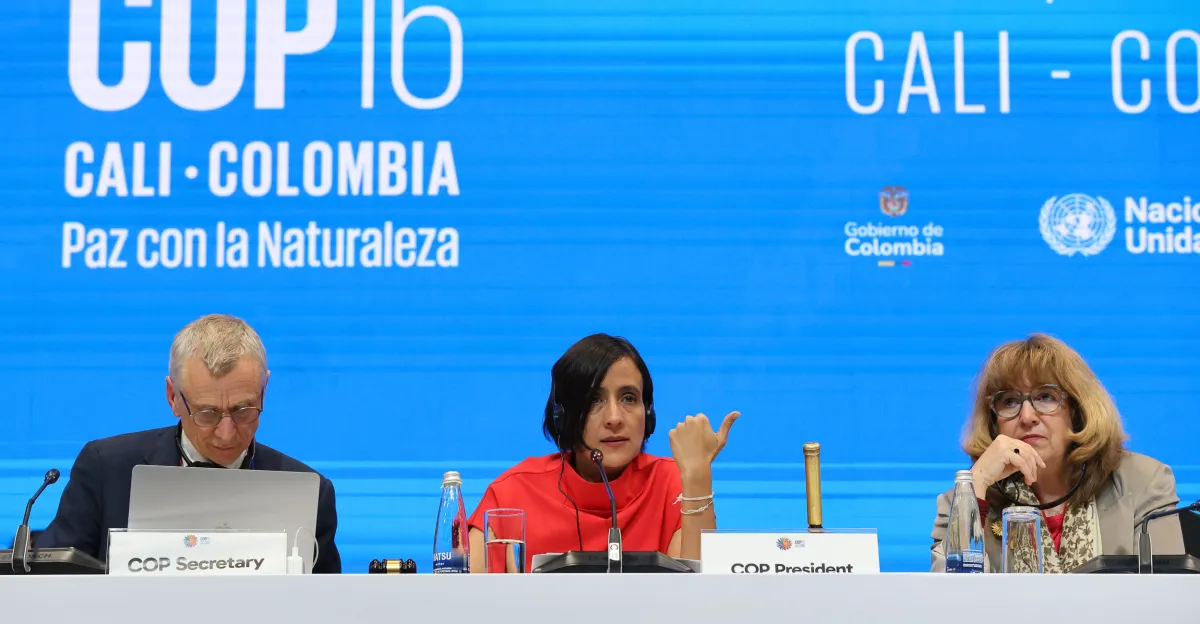
A new international agreement reached at the UN's COP16 aims to fund wildlife conservation by requiring companies that use genetic data from wild organisms, such as those in the pharmaceutical and biotechnology sectors, to contribute a portion of their profits or revenue to a conservation fund. This initiative, known as the Cali fund, seeks to address biodiversity loss by channeling resources to countries rich in wildlife, particularly benefiting Indigenous and local communities. While the plan is not legally binding and faces challenges, it represents a significant step towards equitable benefit-sharing from natural resources.
Topics:world#biodiversity#conservation#digital-sequence-information#environment#pharmaceuticals#united-nations
- A groundbreaking new plan to get Big Pharma to pay for wildlife conservation Vox.com
- Your medicine comes from unexpected places. Why those sources are now at risk. The Washington Post
- Public funding for nature conservation stalls at COP16 Reuters
- Cop16 ends in disarray and indecision despite biodiversity breakthroughs The Guardian
- COP16 Talks in Colombia Adopt a Novel Way to Pay for Conservation The New York Times
Reading Insights
Total Reads
0
Unique Readers
15
Time Saved
6 min
vs 7 min read
Condensed
93%
1,275 → 93 words
Want the full story? Read the original article
Read on Vox.com