
Kenya arrests four over elephant deaths as cyanide theory faces expert skepticism
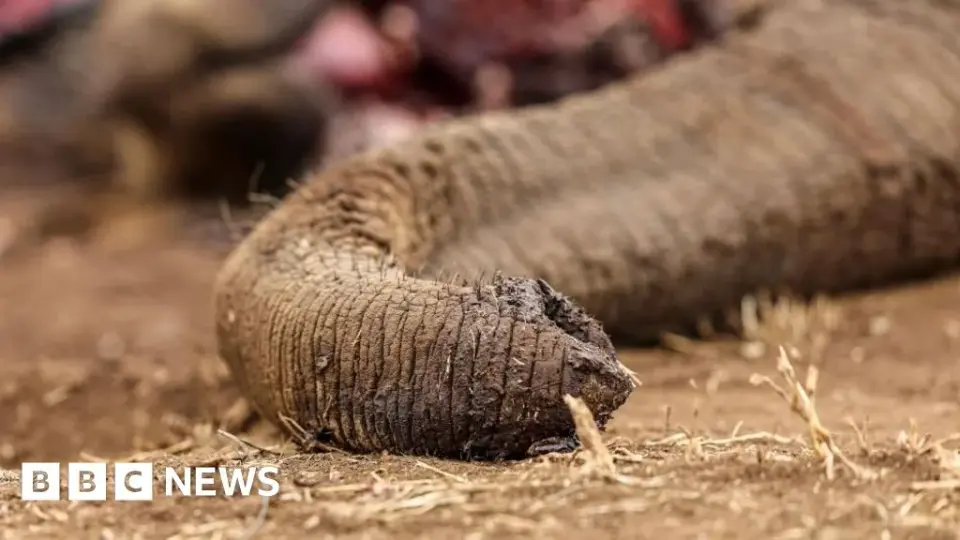
Four people have been arrested in Kenya following the deaths of at least 18 to 20 elephants in the Amboseli ecosystem. While authorities suspect cyanide poisoning from illegal pesticides, local experts dispute this theory, noting that scavengers feeding on the carcasses show no signs of illness.
Key points
- Kenya Wildlife Service arrested three Kenyans and one Tanzanian for suspected poisoning.
- At least 18 to 20 elephants have died since June, primarily females and calves.
- Preliminary tests found cyanide in crops, but field observers question the poisoning theory.
- Vultures and hyenas have been seen feeding on carcasses without apparent illness.
- The deaths are occurring in the Amboseli ecosystem, a key wildlife corridor near Tanzania.
Background
This investigation follows a series of unexplained elephant deaths in southern Kenya starting in June 2026. Earlier reports indicated 15 to 16 deaths, with preliminary toxin tests yielding mixed results. The current arrests mark a significant escalation in the probe, moving from environmental testing to criminal suspicion.
How outlets are covering it
The BBC and Kenya Wildlife Service emphasize the cyanide poisoning theory, citing lab traces in crops and arrests of suspects. In contrast, The Cool Down and allAfrica.com highlight skepticism from local experts like Patrick Papatiti, who note that scavengers are eating carcasses unharmed, which contradicts a straightforward poisoning scenario. allAfrica also notes that the cause remains officially unresolved, with some experts suggesting disease or other environmental triggers.
Why it matters
The Amboseli ecosystem is a major tourist destination and conservation area. Unexplained mass die-offs threaten wildlife populations and local livelihoods dependent on tourism. The dispute over the cause highlights the tension between agricultural practices, such as pesticide use, and wildlife conservation in border regions.
What to watch
Authorities are expected to continue investigating the cause of the deaths, potentially involving further veterinary and environmental testing. The outcome of the arrests and the resolution of the cyanide debate will determine whether the focus shifts to criminal prosecution or broader environmental regulation.
- Four arrested over suspected poisoning of elephants in Kenya BBC
- Kenya arrests four in probe into 18 elephant deaths in Amboseli Yahoo
- Kenya's elephant death mystery deepens as vultures, hyenas feed on carcasses unharmed The Cool Down
- Kenya: Mystery Elephant Deaths in Kenya Leave Experts Divided Over Cause allAfrica.com
- Amboseli elephant deaths: Kimana farmers protest arrest of 4 colleagues People Daily
Want the full story? Read the original reporting
Read on BBC