
Lab-grown cyanobacteria forge fertile soil from desert sand in under a year
TL;DR
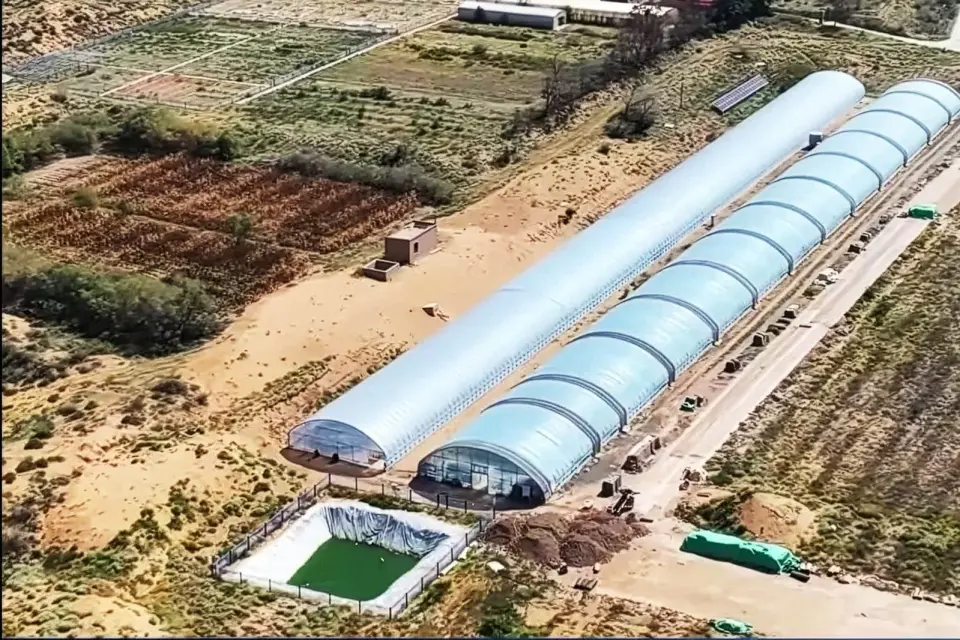
Researchers in China use lab-grown cyanobacteria to form a biomass-rich crust on loose desert sand, binding grains together to create a thin, stable soil layer that reduces wind erosion, helps retain moisture, and concentrates nutrients to support seedling growth. Trials near the Taklamakan Desert show crusts stabilizing sand in about 10–16 months, potentially accelerating restoration from decades to years, though scaling faces challenges like protecting the crust from traffic and climate variability. The work, published in Soil Biology and Biochemistry and Geoderma, links desert control with longer-term plant-based restoration, but isn’t a stand-alone fix for desertification.
Topics:worldenvironment#cyanobacteria#desertification#ecological-restoration#environment#soil-crust#wind-erosion
- China invents game-changing process that turns desert sand into fertile soil in just 10 months Earth.com
- EcoChina | Green belt project transforms Taklimakan Desert in NW China's Xinjiang Xinhua
- China’s tech innovation in tree planting reshapes efforts to green arid land Borneo Post
- China’s Green Wall and the Global Battle Against Expanding Deserts Sri Lanka Guardian
- CHINA-SHANXI-MAURITANIA-TREE PLANTING-TECHNOLOGY (CN) Big News Network.com
Want the full story? Read the original reporting
Read on Earth.com