
Algae Bloom Forces Five of Six Israeli Desalination Plants Offline
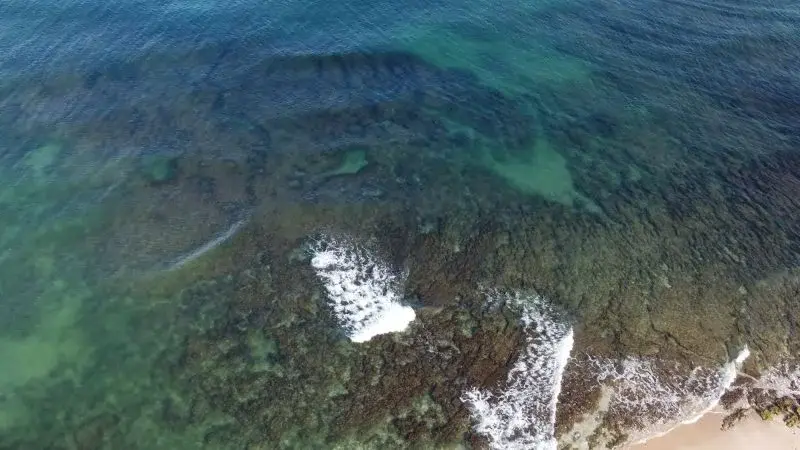
A massive microalgae bloom in the Mediterranean Sea has forced five of Israel's six desalination plants to shut down, creating a severe water crisis. The algae clogged intake pipes, disrupting the nation's primary water source. While authorities are managing the immediate shortage through alternative supplies, experts warn that untreated sewage from Gaza may be contributing to the bloom, raising concerns about long-term water quality and infrastructure resilience.
Key points
- Five of Israel's six desalination plants are currently offline due to microscopic algae clogging intake pipes in the Mediterranean Sea.
- The shutdown affects a large share of Israel's water consumption, prompting nationwide water restrictions and conservation advisories.
- The Washington Post reports that experts warn untreated wastewater from Gaza's destroyed sewage system could be a factor in the algae bloom.
- Authorities are boosting production from wells and the Sea of Galilee to stabilize supply while waiting for the algae to clear.
- The disruption began in early September 2026, with some plants potentially resuming operation once seawater clarity returns.
Background
This incident follows a series of earlier disruptions in late August and early September 2026, where severe turbidity in seawater caused similar shutdowns. Previous reports indicated that the initial cause was weather-related turbidity rather than cyberattacks, leading to reduced water pressure in major cities like Jerusalem and Rishon Lezion. The current algae bloom represents a more specific biological challenge to the same infrastructure, compounding the stress on Israel's water supply system.
How outlets are covering it
CNN focuses on the immediate operational impact of the microalgae bloom, highlighting the shutdown of most desalination plants. The Washington Post, however, emphasizes the potential link between the algae bloom and untreated sewage from Gaza, suggesting that the conflict's aftermath may be exacerbating the water crisis. While CNN presents the event as a natural phenomenon affecting infrastructure, the Washington Post frames it as a potential consequence of the war's impact on Gaza's sewage systems, raising questions about environmental and health risks from cross-border pollution.
Why it matters
The shutdown of Israel's primary water source highlights the vulnerability of desalination infrastructure to environmental and geopolitical factors. The potential link to Gaza's sewage raises concerns about long-term water quality and public health, while the immediate crisis threatens agricultural and household water supplies. This event underscores the need for resilient water management strategies in the region, especially in the context of ongoing conflicts and environmental challenges.
What to watch
Authorities are expected to continue boosting production from alternative sources, including wells and the Sea of Galilee, while monitoring the algae bloom. The resumption of desalination plant operations will depend on the clearing of the algae and the restoration of seawater clarity. Experts may further investigate the role of Gaza's sewage in the bloom, potentially leading to new environmental and diplomatic discussions. The situation will also impact agricultural planning, particularly ahead of the High Holy Days, as farmers face potential crop losses.
- ‘Extremely rare event:’ Miles-long microalgae bloom knocks out most of Israel’s desalination plants CNN
- Editorial | Water crisis triggered by Gaza's ruin: Israel is paying the price of destruction Haaretz
- Officials seek to calm public after algicides dumped at sea in bid to reopen desalination plants timesofisrael.com
- Water crisis in Israel raises fears over impact of Gaza sewage The Washington Post
- Desalination shutdown exposes Israel’s vulnerabilities beyond military threats The Jerusalem Post
Want the full story? Read the original reporting
Read on CNN