
Mongolia Hosts Global Land Summit Amid Escalating Drought Crisis
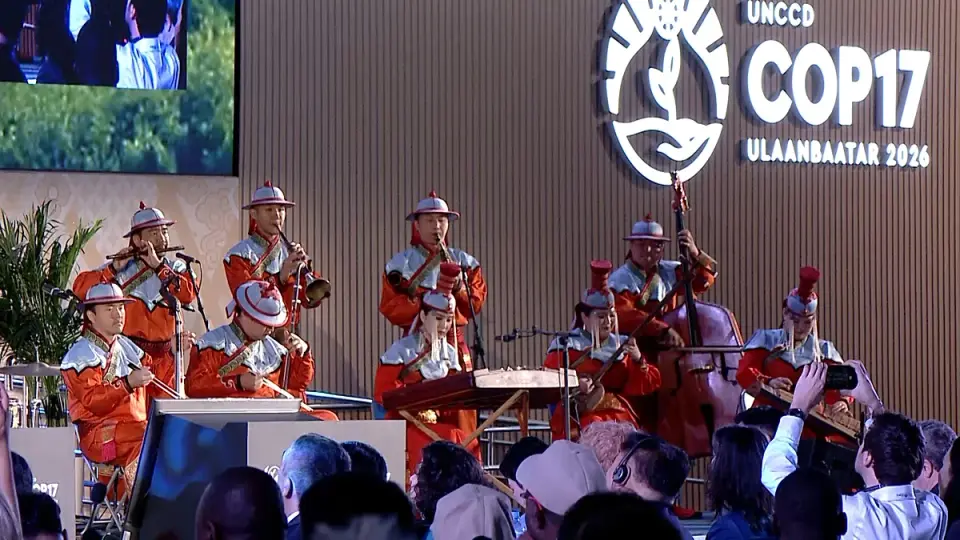
The 17th Conference of the Parties (COP17) to the UN Convention to Combat Desertification (UNCCD) opened in Ulaanbaatar, Mongolia, on August 17, 2026. The summit brings together 197 member states, over 400 organizations, and 30,000 attendees to address the degradation of 40% of the world's habitable land. Key discussions focus on drought management, the economic value of land restoration, and the protection of rangelands, which serve as critical carbon sinks and food sources. Mongolia was selected as the host due to its severe desertification issues and its role in initiating the International Year of Rangelands and Pastoralists.
Key points
- COP17 in Ulaanbaatar addresses land degradation affecting 3.5 billion people and costing an estimated $900 million annually in local losses.
- Mongolia hosts the event to highlight its own struggles with desertification, where 77% of the land is affected, and to promote its 'Billion Trees' and food security initiatives.
- Negotiators are focusing on rangelands, which constitute half of Earth's land surface and hold 30% of global soil carbon, as a solution to climate change and food security.
- The UNCCD aims to convert $12 billion in public funding into actionable projects and attract private investment, noting that every dollar invested in land restoration yields $7 to $30 in returns.
- The conference emphasizes the rights of pastoralists and indigenous communities, with over 500 representatives participating to share local solutions and challenges.
Background
The UNCCD, established in 1994, is the only legally binding international instrument addressing land degradation. Previous meetings, such as the 2024 conference in Riyadh, focused on developing binding protocols for drought management, which faced resistance from developed nations. Recent archive coverage from August 2026 highlighted efforts to unlock $12 billion in funding for drought-stricken nations to restore land and improve water use. The current summit builds on these efforts by integrating private sector engagement and focusing on the economic viability of sustainable land management.
How outlets are covering it
Euronews emphasizes the immediate human impact of land degradation, citing poverty, migration, and the rising cost of basic goods like bread in Mongolia. It highlights the economic argument for investment, noting high returns on land restoration projects. Inside Climate News focuses on the ecological significance of rangelands as carbon sinks and the political dynamics of the U.S. delegation, which is participating despite withdrawing from other climate conventions. It also notes the EU's recent soil health laws and the challenges faced by pastoralists. Landscape Alliance, while not providing a direct article on COP17, highlights related efforts in Africa, such as new online courses for landscape restoration, indicating a broader global push for practical, on-the-ground solutions to land degradation.
Why it matters
Land degradation threatens food security, water availability, and global stability, affecting nearly half the world's population. The COP17 summit is critical for securing funding and political commitment to restore degraded lands, which is essential for mitigating climate change and preventing mass migration. The focus on rangelands and pastoralist rights addresses overlooked but vital ecosystems and communities, while the integration of private finance aims to make land restoration a sustainable, profitable endeavor rather than a costly burden.
What to watch
COP17 will continue until August 28, 2026, with over 400 sessions and 30,000 attendees. Key outcomes will include progress on the binding drought protocol, commitments to the 'one billion hectare by 2030' target, and the translation of land plans into investable projects. The UNCCD expects to finalize strategies for attracting private funds and supporting the 70+ countries that have already submitted drought management plans. Mongolia's national initiatives, such as the 'Billion Trees' movement, will also be showcased as models for global adoption.
- COP17 in Mongolia: Finding solutions to land degradation Euronews.com
- A Global Gathering to Tackle the Planet’s Soil Crisis Is Underway in Mongolia Inside Climate News
- Our Approach to Drought and Wildfire Is Economically Backwards Time Magazine
- Countries fall far short of pledges to restore stricken land, report shows Reuters
- New online courses strengthen skills for landscape restoration across Africa Landscape Alliance
Want the full story? Read the original reporting
Read on Euronews.com