Tag

Unccd

All articles tagged with #unccd

Mongolia Hosts Global Land Summit Amid Escalating Drought Crisis
environment3 months ago

Mongolia Hosts Global Land Summit Amid Escalating Drought Crisis

The 17th Conference of the Parties (COP17) to the UN Convention to Combat Desertification (UNCCD) opened in Ulaanbaatar, Mongolia, on August 17, 2026. The summit brings together 197 member states, over 400 organizations, and 30,000 attendees to address the degradation of 40% of the world's habitable land. Key discussions focus on drought management, the economic value of land restoration, and the protection of rangelands, which serve as critical carbon sinks and food sources. Mongolia was selected as the host due to its severe desertification issues and its role in initiating the International Year of Rangelands and Pastoralists.

UNCCD Cop17 in Ulaanbaatar seeks to operationalize $12bn drought fund amid global food security crisis
environment3 months ago

UNCCD Cop17 in Ulaanbaatar seeks to operationalize $12bn drought fund amid global food security crisis

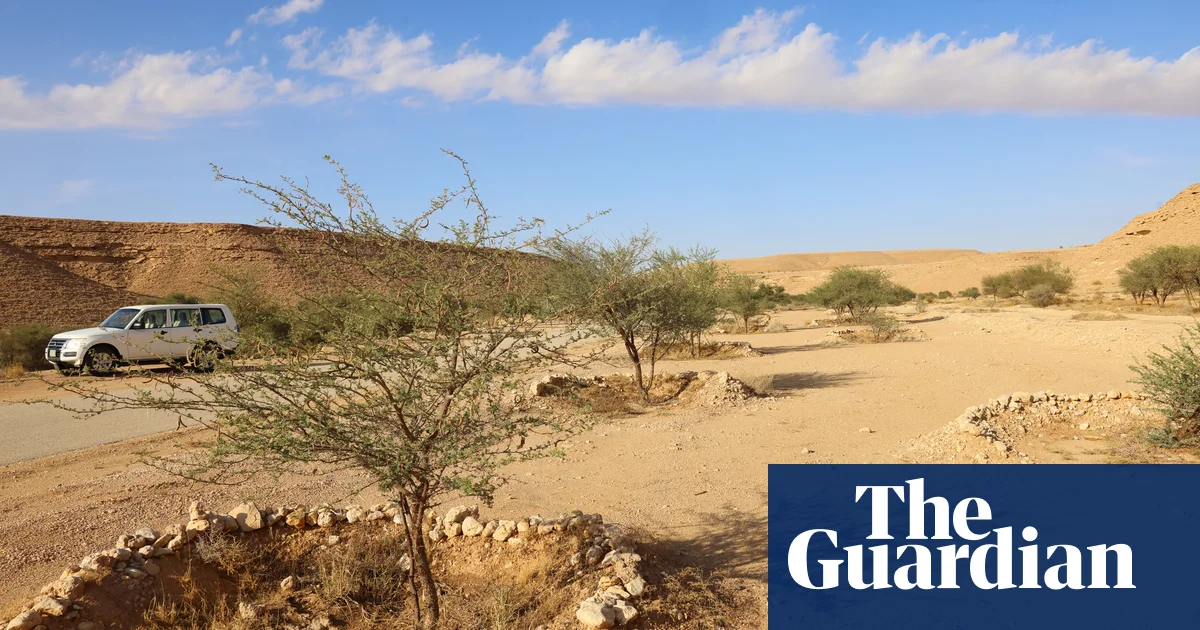
The UN Convention to Combat Desertification (UNCCD) is holding its 17th conference of the parties (Cop17) in Ulaanbaatar, Mongolia, from August 17 to 28. The primary focus is operationalizing a $12 billion pledge made two years ago to fund drought resilience and land restoration in 74 vulnerable nations. While the UNCCD has historically been underfunded compared to other environmental treaties, recent pledges from Saudi Arabia and others mark a shift toward multilateral action. However, the pledged amount remains a fraction of the estimated $2.6 trillion needed by the end of the decade to halt land degradation, which currently threatens 3.2 billion people and costs the global economy nearly $900 billion annually.

Global Land Degradation Accelerates at Alarming Rate
environment2 years ago

Global Land Degradation Accelerates at Alarming Rate

A new study reveals that land degradation is expanding by 1 million square kilometers annually, threatening climate stability, biodiversity, and food security. The report, released ahead of a UN convention on desertification, highlights the interconnectedness of environmental issues and calls for urgent action to manage land sustainably. Unsustainable agricultural practices are identified as the main cause, leading to deforestation and reduced CO₂ absorption by ecosystems. The study emphasizes the need for integrated policies to address both environmental and socioeconomic impacts of land use.

Global Drought Crisis: Urgent Action Needed to Address Unprecedented Emergency
environment3 years ago

Global Drought Crisis: Urgent Action Needed to Address Unprecedented Emergency

The UN Convention to Combat Desertification (UNCCD) has released a report highlighting the unprecedented global emergency caused by human-induced droughts. The report reveals the devastating impacts of drought on lives, economies, and various sectors of society. It emphasizes the urgent need for transformational change to address the increasing frequency and severity of drought events. The report also highlights the importance of nature-based solutions, sustainable land management, efficient water management, and disaster preparedness in building global drought resilience. International cooperation and binding global agreements are crucial to curtail the effects of drought and respect planetary boundaries.

"The Rise of Nature's Most Intimidating Spectacles"
environment3 years ago

"The Rise of Nature's Most Intimidating Spectacles"

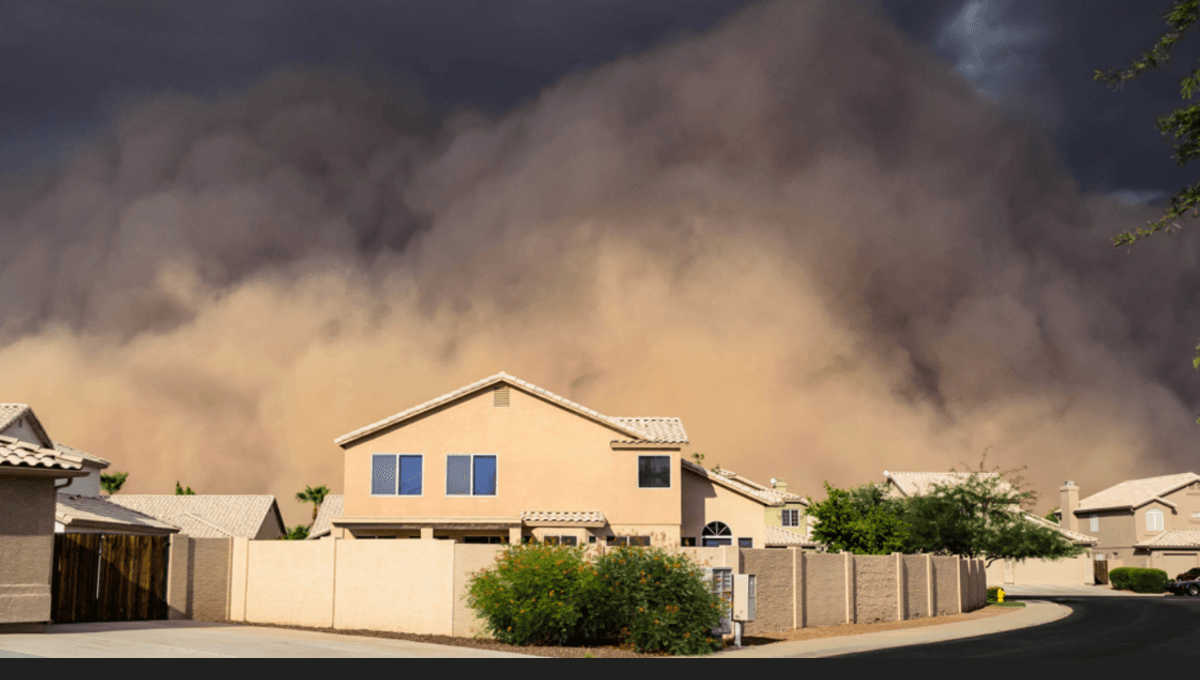
Sand and dust storms, described as "one of nature's most intimidating spectacles," have become more common in many regions due to human-driven factors and climate change. The United Nations Convention to Combat Desertification (UNCCD) is discussing ways to address the impacts of these storms on agriculture, industry, water and air quality, and human health. Sand and dust storms pose significant challenges to sustainable development, but can also be reduced through human actions. The UNCCD aims to promote measures such as land restoration, improved monitoring, and better impact mitigation to tackle this growing problem.