
Broken Counters and Drying Eggs: The Tyne’s Salmon Status Faces a 2029 Deadline
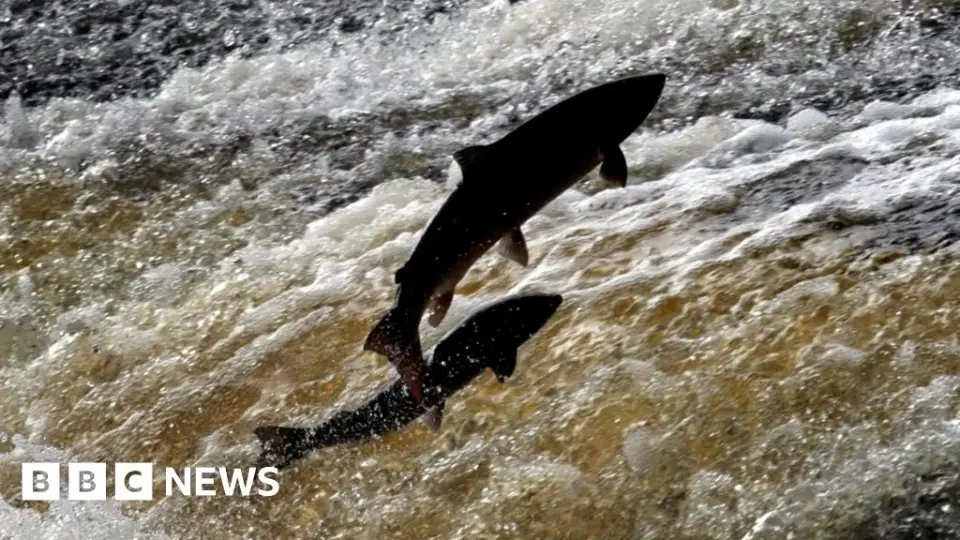
The Environment Agency reports that sea trout and salmon populations in the Tees, Wear, and Tyne rivers are declining, with the Tyne facing a potential loss of its 'not at risk' status by 2029. Equipment failures have hindered accurate monitoring, with the Wear counter offline since early 2025 and the Tyne counter relying on estimates for most of the year. July counts in the Tyne showed a significant drop compared to 2022, while the Tees recorded its lowest numbers since 2021, attributed to environmental conditions and potential alternative migration routes.
Key points
- The Tyne is currently the only river in England classified as 'not at risk' for salmon stocks, but the Environment Agency forecasts this status may change to 'probably not at risk' by 2029 due to declining egg deposition.
- The fish counter in the River Wear has been non-operational since the start of 2025, and the agency is in contract discussions with a specialist to repair it.
- The counter in the River Tyne was faulty for most of the year, with only one month providing actual readings; the rest were estimates. A repair was completed in June, followed by structural strengthening.
- In July, the Tyne recorded 6,471 sea trout and salmon, a sharp decrease from the 11,845 recorded in the last non-estimated July count in 2022.
- The River Tees recorded only 30 fish until July, with 83 recorded in July, the highest July count since 2021. The agency cited low water levels, high tides, and possible alternative upstream routes for the low numbers.
- The Environment Agency stated it is too early to draw definitive conclusions on this year's totals but emphasized the need to improve habitats, including fish passages over weirs and bridge footings, to support spawning and nursery areas.
Background
The Tyne has historically been regarded as England's best salmon river, maintaining a 'not at risk' classification that distinguishes it from other major waterways in the region. Previous monitoring efforts have faced technical challenges, including equipment failures that have led to periods without reliable data. The current situation highlights ongoing concerns about the resilience of fish populations in the north-east of England, where environmental conditions and infrastructure issues continue to impact the accuracy of population tracking.
Why it matters
The decline in salmon and sea trout numbers in the Tees, Wear, and Tyne rivers signals potential ecological stress in key waterways of north-east England. The Tyne's projected loss of its 'not at risk' status by 2029 underscores the urgency of habitat improvements and infrastructure repairs. Accurate monitoring is critical for conservation efforts, and the current equipment failures complicate the ability to assess the true state of fish populations, potentially delaying targeted interventions.
What to watch
The Environment Agency is in contract discussions to repair the fish counter in the River Wear. In the River Tyne, the repaired counter at Riding Mill has undergone additional strengthening to improve its resilience. The agency continues to monitor fish populations and will provide further updates as data becomes available, though it has stated it is too early to draw conclusions on the current year's totals.
Want the full story? Read the original reporting
Read on BBC