
USDA Declares Drought Disaster for Puerto Rico and USVI Amid Water Crisis
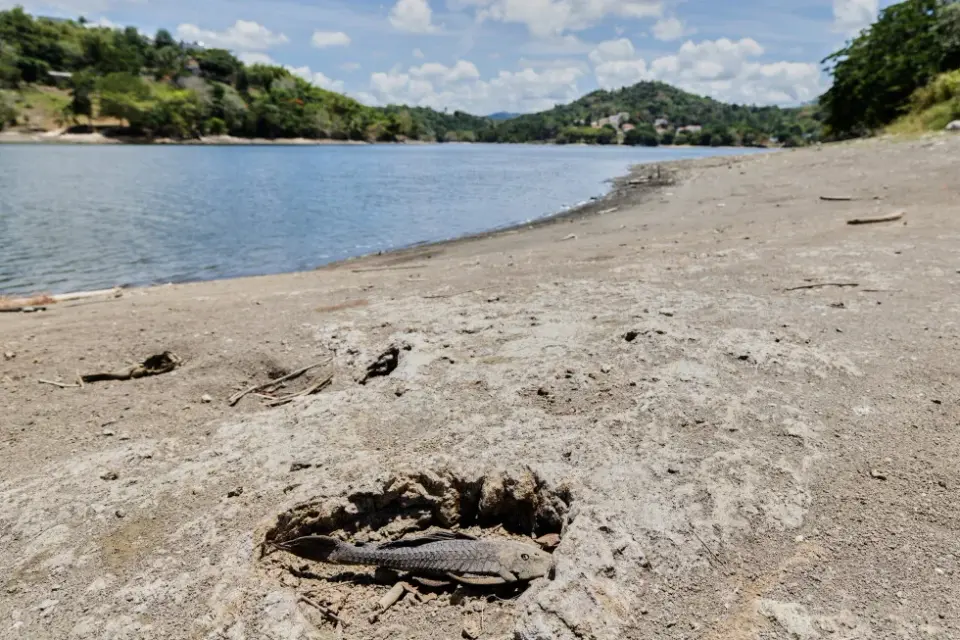
The U.S. government has declared a drought disaster for parts of Puerto Rico and the U.S. Virgin Islands, allowing farmers to access emergency loans. The crisis, driven by El Niño and aging infrastructure, has forced 48-hour water rationing for over 180,000 customers in San Juan and six other cities. While the USDA approved disaster status for St. Thomas, St. John, and St. Croix, Puerto Rico’s water system faces deeper structural issues, including massive leak losses and a lack of independent regulation.
Key points
- The USDA designated St. Thomas, St. John, and St. Croix as primary natural disaster areas, enabling emergency loans for equipment and livestock losses.
- Puerto Rico’s governor declared a state of emergency in late July, activating the National Guard to distribute and purify water.
- Over 180,000 customers in San Juan and six other municipalities face rotating 48-hour water outages, with large trucks prioritizing hospitals and senior residences.
- Farmers have suffered financial losses since May, with some selling young bulls at rock-bottom prices due to the inability to feed livestock.
- Meteorologists attribute the dry conditions to the El Niño warming cycle, which has also impacted the neighboring U.S. Virgin Islands.
Background
This crisis follows a series of earlier water shortages in Puerto Rico, including rationing in 2015 and 2020, and a historic drought in 2026 that depleted the Carraízo reservoir. Previous coverage highlighted that while rainwater harvesting could provide relief, it remains unmandated and unsubsidized. The current situation is compounded by decades of underinvestment in the water system, with the EPA estimating $2.2 billion in needed repairs for transmission and distribution pipes.
How outlets are covering it
AP News focuses on the immediate human and agricultural impact, noting that farmers have lost money since May and that the National Guard is distributing water. The Conversation emphasizes the long-term structural failure of the Puerto Rico Aqueduct and Sewer Authority, highlighting that the utility lost nearly half its water to leaks in 2024 and lacks an independent regulator. The Virgin Islands Consortium highlights the financial relief aspect, noting that the USDA declaration allows farm operators to seek emergency loans for qualifying losses. While AP and The Conversation agree on the severity of the drought, The Conversation argues that the crisis is exacerbated by pre-existing infrastructure decay and mistrust in the water system, whereas AP focuses more on the immediate emergency response and El Niño's role.
Why it matters
The drought disaster declaration provides critical financial relief to farmers in the U.S. Virgin Islands and highlights the severe water infrastructure challenges in Puerto Rico. The crisis underscores the need for long-term investment in aging water systems and the impact of climate patterns like El Niño on regional water security. The ongoing rationing and infrastructure failures threaten public health and economic stability in both territories.
What to watch
The USDA will process emergency loan applications for eligible farm operators in the U.S. Virgin Islands. In Puerto Rico, water rationing is expected to continue through at least August, with the National Guard continuing to distribute water. Long-term repairs to the water system, estimated at $2.2 billion, remain a priority but are hindered by funding constraints and federal procedural requirements.
- US declares drought disaster for parts of Puerto Rico as dry conditions persist AP News
- Residents Urged to Limit Water Use Amid Drought, Leaks St. Thomas Source
- Puerto Rico is rationing water, but many residents stopped trusting the tap long before the drought The Conversation
- USDA Approves Drought Disaster Declaration for USVI, Opening Emergency Loans to Farmers The Virgin Islands Consortium
- Puerto Rico farmers urged to seek federal drought aid News is My Business
Want the full story? Read the original reporting
Read on AP News