
Kenya Confirms Nine Ebola Cases as Regional Borders Tighten Surveillance
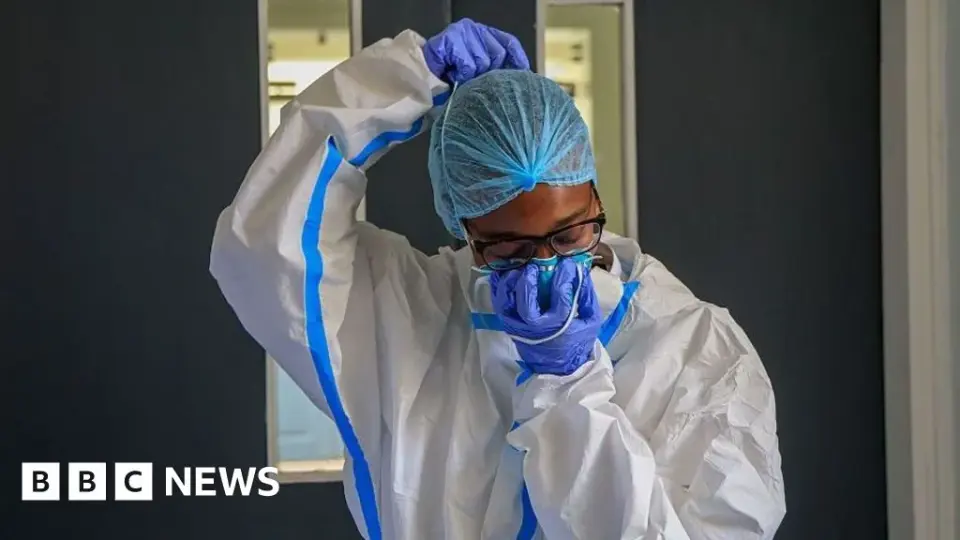
Kenya is managing its first-ever Ebola outbreak with nine confirmed cases, all linked to a single traveler from the Democratic Republic of Congo. While the government reports that all current patients are improving and 99% of contacts have been quarantined, concerns persist regarding border security and the lack of an approved vaccine for the rare Bundibugyo strain. Neighboring nations have intensified screening, and international travel advisories have been issued, though no outright travel bans are in place.
Key points
- Nine Ebola cases have been confirmed in Kenya, including the initial patient who died after traveling from the DR Congo, four of his relatives, three health workers, and a hospital cleaner.
- The outbreak involves the Bundibugyo strain, which currently lacks an approved vaccine or treatment, though clinical trials are underway.
- Kenyan authorities have implemented enhanced screening for travelers from ten high-risk countries, requiring digital surveillance forms and QR code verification upon arrival.
- Health officials state that 134 out of 135 contacts of the first patient remain in quarantine, with no new symptoms reported among those isolated.
- The Kenya Medical Practitioners and Dentists Union has criticized border facilities for being understaffed and called for better protective equipment for healthcare workers.
- The US has advised its citizens to reconsider travel to Kenya, while the UK and Canada have issued health alerts, but no country has imposed a total travel ban.
Background
This outbreak follows a significant Ebola crisis in the Democratic Republic of Congo, which has recorded over 9,500 cases and 4,000 deaths since May. Kenya’s response is being compared to previous regional outbreaks, such as Uganda’s recent declaration of freedom from the disease after two deaths. The current situation highlights ongoing challenges in cross-border disease control in East Africa, particularly given the high volume of travel between Kenya and the DR Congo, where an estimated 2,500 Kenyans reside.
Why it matters
The outbreak tests Kenya’s public health infrastructure and border security in a region with high mobility. The lack of a vaccine for the specific strain and concerns over understaffed border points raise questions about the country’s ability to prevent further transmission. Additionally, the incident impacts regional tourism and trade, as international advisories may deter travelers despite the absence of formal bans. Effective containment is crucial to prevent the virus from spreading into the wider population, particularly given the 21-day incubation period and the potential for asymptomatic transmission.
What to watch
Health officials will continue monitoring the 135 quarantined contacts for symptoms throughout the incubation period. The government plans to maintain enhanced screening at airports and border crossings while expanding public awareness campaigns to reduce stigma. International partners, including the WHO and Africa CDC, will continue supporting surveillance and contact tracing efforts. The situation may evolve if new cases are detected or if the virus spreads beyond the current cluster, potentially leading to stricter travel restrictions or public health measures.
- Is Ebola under control in Kenya after nine cases confirmed? BBC
- Kenya confirms new Ebola case, total at nine, health ministry says Reuters
- Kenya confirms 8th case of Ebola, all infections linked back to 1st patient who died: Health officials ABC News - Breaking News, Latest News and Videos
- Ebola: Kenya cases rise to 8, spreads to 8th Congo province DW.com
- Kenya dispatch: health ministry confirms first imported Ebola virus case as fears and suspicions collide Jurist.org
Want the full story? Read the original reporting
Read on BBC