
Puerto Rico’s Water Crisis Deepens as Drought Meets Decades of Infrastructure Neglect
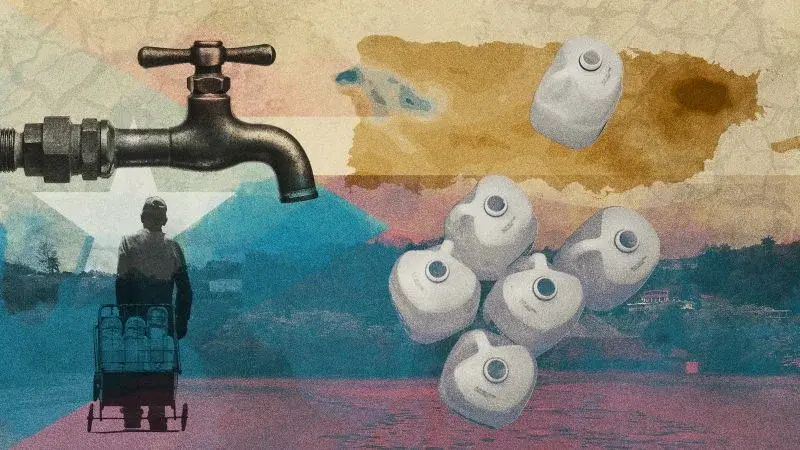
Puerto Rico faces a severe water emergency driven by a historic drought and aging infrastructure. San Juan and surrounding areas are under mandatory 48-hour rationing, affecting over 180,000 households. The US Department of Agriculture has declared a drought disaster for 26 municipalities, allowing farmers to access emergency loans. While the National Guard distributes water via cistern trucks, experts warn that the crisis stems from systemic neglect, including a 60% water loss rate in the distribution system and the recent rupture of the critical Superaqueduct pipeline. Residents report over 200 days without water this year, with no relief expected until at least January.
Key points
- Mandatory water rationing in San Juan and six other cities forces residents to go without water for 48-hour intervals, impacting over 180,000 households.
- The US Department of Agriculture declared a drought disaster for 26 municipalities, enabling farmers to access emergency loans after Governor Jenniffer González-Colón’s request.
- The Superaqueduct, a 72-inch pipeline supplying water to the San Juan metro area, suffered a rupture in June, exposing the system’s lack of redundancy and backup infrastructure.
- San Juan recorded its driest July in over 120 years, with below-normal rainfall expected to persist until at least January, exacerbating the crisis.
- The Puerto Rico Aqueduct and Sewer Authority loses nearly 60% of treated water due to leaks, inaccurate meters, and unauthorized consumption, according to a 2019 report.
Background
Puerto Rico has faced recurring water shortages since 2014, with severe rationing in 2015 and 2020. The current crisis is compounded by the 2017 hurricanes Irma and Maria, which damaged infrastructure, and a long-standing lack of federal and local investment. Previous coverage highlighted the potential for rainwater harvesting to mitigate shortages, but political and regulatory hurdles have limited adoption. The island’s dependency on a single major transmission line, the Superaqueduct, has been a critical vulnerability since its inception in 2000.
How outlets are covering it
CNN emphasizes the humanitarian impact on vulnerable populations, such as the elderly and low-income residents, and highlights the systemic neglect by local and federal authorities. USA Today focuses on the tourism sector, noting that while hotels and resorts are largely insulated from the crisis, visitors are urged to conserve water to avoid straining local resources. NBC News centers on the agricultural impact, detailing how the drought disaster declaration allows farmers to access emergency loans and how dry conditions have forced early harvests and livestock sales. DVIDS provides a technical perspective, showing the National Guard’s role in water purification and distribution, underscoring the military’s involvement in emergency response. All sources agree that the crisis is a combination of meteorological drought and infrastructure failure, but they differ in emphasis: CNN on social equity, USA Today on tourism, NBC News on agriculture, and DVIDS on military logistics.
Why it matters
The water crisis in Puerto Rico highlights the intersection of climate change, infrastructure decay, and policy failures. It affects over 3 million people, threatening public health, economic stability, and the island’s reputation as a tourist destination. The lack of long-term investment and maintenance has left the system vulnerable to extreme weather events, with no clear timeline for resolution. The crisis also raises questions about the adequacy of federal support and the need for systemic reforms in water management and infrastructure resilience.
What to watch
The US Department of Agriculture’s drought disaster declaration will allow farmers in 26 municipalities to access emergency loans, providing some relief to the agricultural sector. The National Guard will continue distributing water via cistern trucks, prioritizing hospitals and elderly residents. Governor González-Colón has not ruled out requesting a national emergency declaration from Washington, which could unlock additional federal funding. However, below-normal rainfall is expected to persist until at least January, meaning rationing and water shortages will likely continue. Long-term solutions, including infrastructure repairs and rainwater harvesting, remain underfunded and underutilized.
- In Puerto Rico, even when it doesn’t rain, it pours CNN
- Travelers may not notice Puerto Rico's water crisis. Residents do. USA Today
- U.S. declares drought disaster for parts of Puerto Rico as dry conditions persist NBC News
- Empty jugs and dry reservoirs: Inside Puerto Rico’s worsening water emergency KDRV
- Listening for water amid Puerto Rico’s drought [Image 10 of 14] DVIDS
Want the full story? Read the original reporting
Read on CNN