
New Zealand Kakapo Population Hits Record 325 After Historic Breeding Season
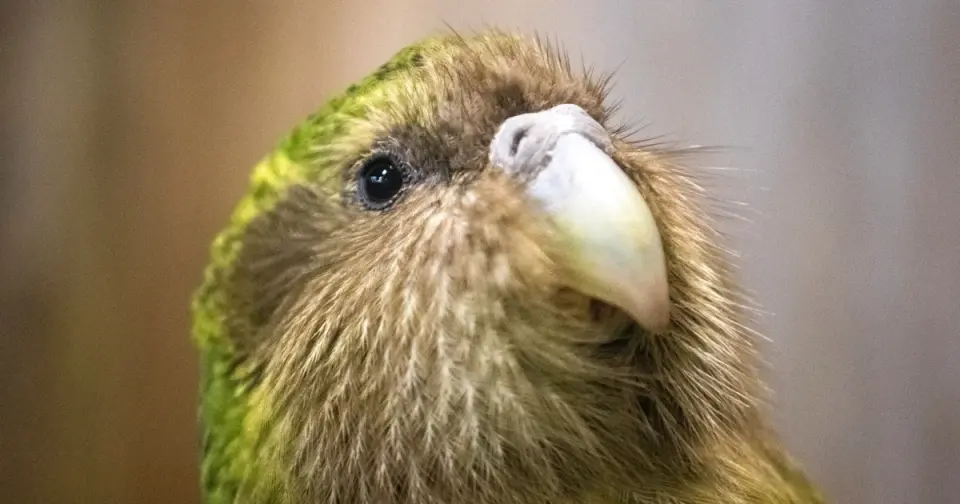
New Zealand’s kakapo parrot population has reached a record 325 individuals following a historic breeding season that produced 90 chicks. This surge marks the first time the population has exceeded 300 birds in approximately 75 years, signaling a significant milestone for the critically endangered species. Conservation officials attribute the success to improved predator-free habitats and reduced intensive management, though challenges remain regarding genetic diversity and breeding cycles.
Key points
- The New Zealand Conservation Department confirmed the total kakapo population has reached 325, a new record high.
- A record 90 chicks were bred this year, with the youngest now 150 days old and considered independent.
- The population last exceeded 300 birds approximately 75 years ago, making this a major recovery milestone.
- Conservation efforts began in 1995 with only 51 birds, including just 20 females, and have since managed 13 breeding seasons.
- Officials are trialing reduced intensive management, such as fewer egg checks and less supplementary feeding, to encourage natural breeding outcomes.
Background
The kakapo, a flightless, nocturnal parrot native to New Zealand, is the heaviest parrot species, with males weighing up to 9 pounds. Once widespread, their numbers collapsed due to human-introduced predators like cats and rats, as well as habitat loss. Conservation efforts began in 1894, but the species nearly went extinct by the mid-20th century. In July 2026, New Zealand implemented a vaccination program for about 300 breeding pairs of endangered birds, including kakapo, to protect them from H5N1 bird flu, highlighting ongoing threats to the species' recovery.
Why it matters
The record breeding success demonstrates that conservation strategies, including predator-free islands and genetic management, can reverse the decline of critically endangered species. The shift toward less intensive management suggests a potential path toward more sustainable, natural recovery, reducing the long-term reliance on human intervention. This progress offers hope for other endangered species facing similar threats from habitat loss and invasive predators.
What to watch
Conservationists are preparing for the next breeding season, with models predicting a potential two-year gap between breeding cycles, a significant improvement from previous four-year gaps. Some 2026 chicks will remain unnamed to symbolize the shift toward natural breeding outcomes. Continued monitoring of remote nest technology and reduced supplementary feeding will be key to assessing the species' ability to sustain itself with minimal human intervention.
Want the full story? Read the original reporting
Read on NBC News