
South West Water Declares Tap Rationing a 'Last Resort' Amid Severe Drought
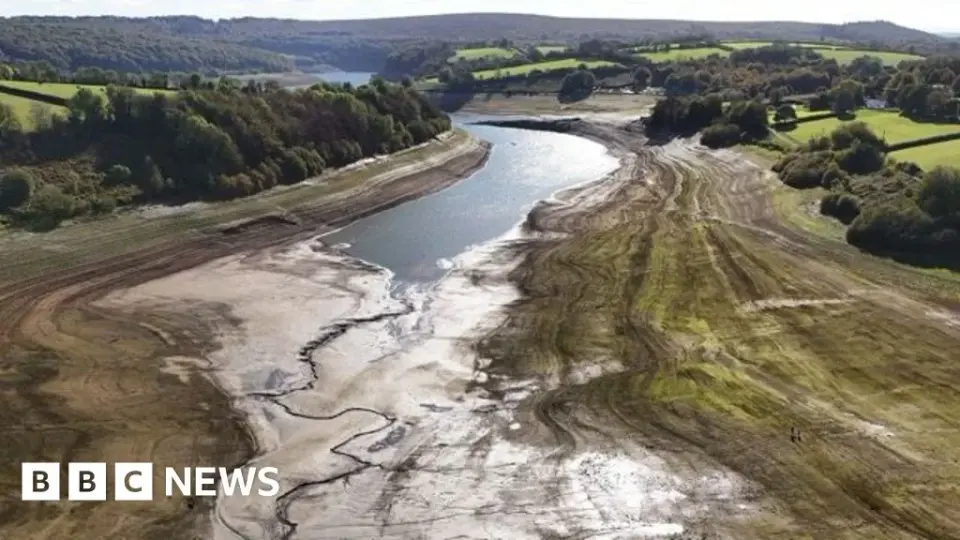
South West Water states that tap water rationing is a contingency measure for extreme drought but is not anticipated this winter. The utility serves 1.8 million customers in Devon, Cornwall, and parts of Dorset and Somerset. While reservoirs remain low following a record-breaking summer, rainfall and reduced usage have helped stabilize levels. The Environment Agency notes that 120% of typical rainfall is needed by April 2027 to exit drought status. Local councils warn that rationing would severely impact schools, hospitals, and emergency services, though the utility maintains it is working closely with authorities on contingency planning.
Key points
- South West Water describes tap water rationing as a 'last resort' for category four droughts, which are not currently being faced.
- Rationing would only trigger if 'Day Zero' (complete water supply failure) is 28 days away, requiring severe restrictions to maintain supplies.
- Wimbleball Reservoir in Exmoor, which supplies water to 400,000 people, hit a record low of 12.5% full in October 2026 but has since risen to 20%.
- The Environment Agency states that 120% of typical rainfall is required by April 2027 for all areas to be considered out of drought.
- Devon County Council leader Julian Brazil warns that rationing would leave local authorities to manage consequences for care homes, schools, and hospitals.
- The Department for Environment, Food and Rural Affairs (Defra) confirms there are no current plans for rationing and does not anticipate impacts on public water supplies.
Background
This situation follows a record-breaking summer in southern England, where parts of Devon and Cornwall entered severe drought conditions. Previous archive coverage highlights broader global water crises, such as permafrost thaw contaminating tap water in Longyearbyen, Norway, and Acanthamoeba risks in Louisiana, underscoring the increasing vulnerability of water systems to climate change and infrastructure stress. The current drought in the UK South West is part of a wider pattern of water scarcity exacerbated by extreme weather events.
Why it matters
The potential for tap water rationing in the UK South West highlights the fragility of water infrastructure under climate stress. If severe drought conditions persist, essential services like hospitals, schools, and emergency responders could face critical disruptions. The debate over regional water councils reflects growing public demand for transparency and accountability in water management, while also raising concerns about local government liability. This case serves as a warning for other regions facing similar drought risks, emphasizing the need for proactive contingency planning and sustainable water use.
What to watch
South West Water will continue monitoring reservoir and river levels daily, working with local authorities and emergency services on contingency plans. The Environment Agency expects that 120% of typical rainfall by April 2027 is needed to fully exit drought status. Defra is pushing for the establishment of regional water councils by the end of 2026, which could reshape how water management decisions are made and who is held accountable for failures. Public awareness campaigns will likely continue to encourage water conservation as the utility emphasizes the importance of 'using water wisely' to avoid future restrictions.
Want the full story? Read the original reporting
Read on BBC