
Brač Island Fire Burns 5,000 Hectares as 700 Residents Evacuate
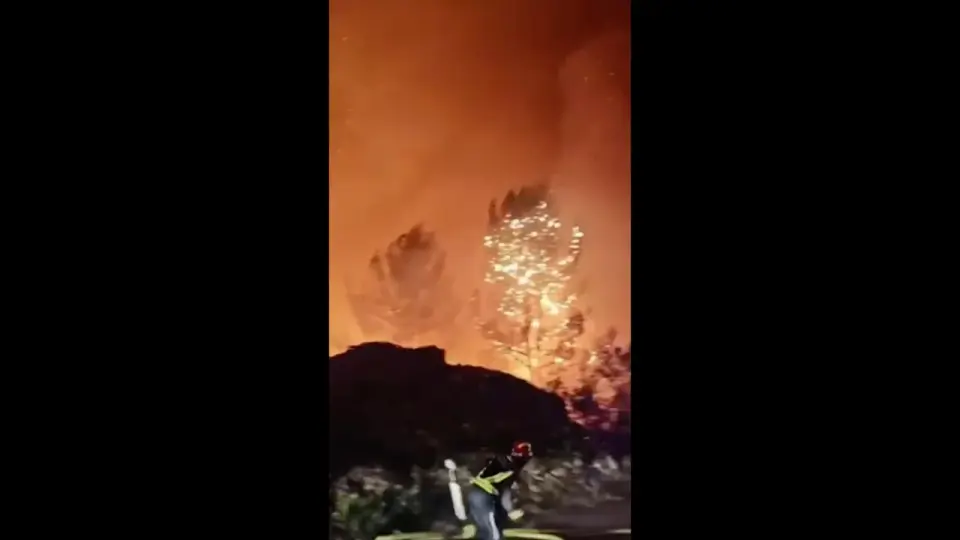
A massive wildfire on Croatia’s Brač Island has burned over 5,000 hectares of pine forest and scrubland, forcing the evacuation of approximately 700 people near the village of Milna. While strong winds initially hampered containment efforts, aerial bombardment and ground crews managed to prevent the blaze from reaching residential structures. Authorities are now focusing on containment and addressing long-term risks from unmanaged private lands and old landfills.
Key points
- The fire, which started on Thursday night, is described as the largest in the area this year, with a perimeter spanning roughly 30 kilometers.
- Approximately 700 residents were evacuated, though firefighters prioritized keeping people inside sealed structures rather than attempting extraction due to extreme heat and smoke.
- Aerial units conducted 977 sorties, dumping nearly 4,960 tons of water to assist in containment efforts.
- Officials cited unmanaged private plots and burning old landfills as primary factors contributing to the fire’s spread and future risk.
- The situation has improved significantly, but the entire area still requires containment to prevent further spread.
Background
Croatia has faced severe wildfire challenges throughout 2026, including a deadly blaze near Lokva Rogoznica in August that killed one person and injured dozens. This incident follows a broader pattern of extreme weather events across Europe and the U.S., where record-breaking heat and drought conditions have fueled widespread fires. The current blaze on Brač Island adds to the strain on regional emergency resources and highlights ongoing vulnerabilities in coastal areas.
How outlets are covering it
Al Jazeera reports that Croatian authorities issued an emergency alert as strong winds hampered efforts to stop the blaze near Milna. HRT provides more detailed operational data, noting that while the fire remains active, the situation has improved. HRT emphasizes the tactical decision to keep residents inside sealed buildings rather than evacuating them through the fire, a strategy credited with saving lives. Both sources agree on the scale of the fire, but HRT offers specific metrics on aerial support and the involvement of national officials, including Deputy Prime Minister Tomo Medved, who highlighted the need for preventive measures regarding private land management and waste disposal.
Why it matters
This event underscores the increasing frequency and severity of wildfires in the Mediterranean region due to climate change. The response highlights the critical role of aerial firefighting and the challenges of protecting infrastructure in remote areas. It also reveals systemic issues, such as the lack of regulation for private land maintenance and waste disposal, which exacerbate fire risks. Addressing these structural problems is essential for reducing future damage and protecting communities along the Dalmatian coast.
What to watch
Firefighters will continue containment operations across the 30-kilometer perimeter. Government officials are expected to implement new legal frameworks and preventive measures to manage private lands and old landfills. Monitoring of hotspots will continue to ensure the fire does not reignite, particularly given the dry conditions and wind patterns.
- Wildfire rages on Croatia’s Dalmatian Coast island of Brac Al Jazeera
- Croatia: 'Monster' fire triggers evacuation on Brac island DW.com
- Grimsby couple's holiday terror as burning embers rained down on them from raging wildfires Grimsby Live
- Firefighters battle a massive blaze on the Island of Brač HRT
- A new fire broke out near Bol Portal.hr
Want the full story? Read the original reporting
Read on Al Jazeera