
Spain deploys army to Ceuta as Italy threatens Schengen exit over migrant surge
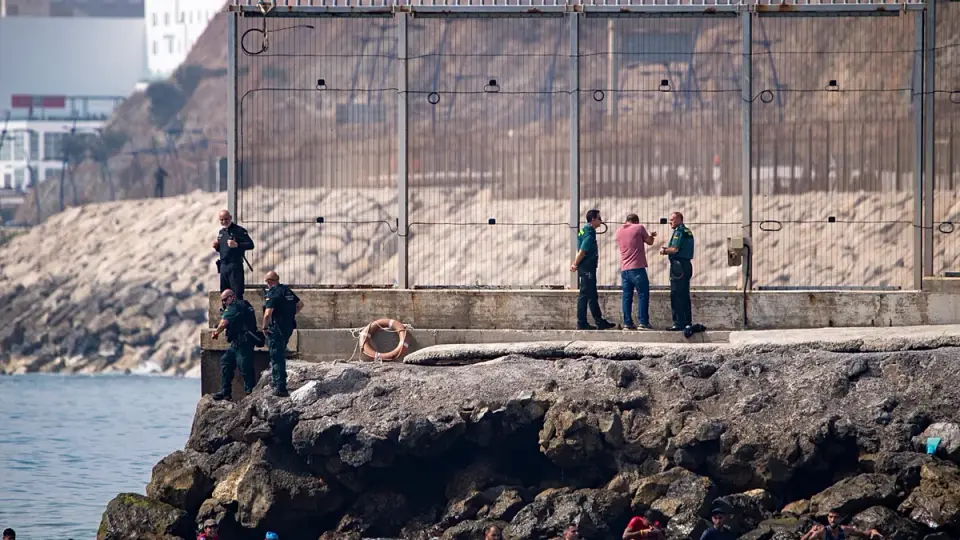
Spain deployed its military to the North African enclave of Ceuta on July 30, 2026, after thousands of migrants swam or climbed fences from Morocco, causing at least nine deaths. Italy’s government threatened to suspend Schengen free movement with Spain, citing security risks, while Madrid coordinated with Rabat to accelerate returns. The crisis, which overwhelmed local resources, echoes the 2021 border emergency and highlights tensions over EU external border management.
Key points
- Spain deployed the army to Ceuta to assist the Civil Guard in restoring order after thousands of migrants crossed from Morocco on July 30, 2026.
- At least nine people died during the crossing, with over 60 deaths reported in the preceding 12 months, according to Spanish authorities.
- Italian Foreign Minister Antonio Tajani and PM Giorgia Meloni called for closing the Schengen area to Spain, arguing that uncontrolled migration threatens national security.
- Spanish Prime Minister Pedro Sánchez and Interior Minister Fernando Grande-Marlaska visited Ceuta to assess the situation and coordinate with Moroccan authorities.
- Spain and Morocco agreed to accelerate the return of irregular migrants, though no specific timeline or figures were disclosed.
Background
Ceuta, a Spanish enclave on Morocco’s northern coast, has long been a focal point for migration into Europe. The current surge follows a 2021 crisis where over 8,000 migrants entered in two days, often linked to diplomatic tensions between Madrid and Rabat. Recent court rulings in Spain regarding sea interceptions may have influenced the latest surge, though activists question this link. The 2026 event marks a significant escalation in border security concerns for the EU.
How outlets are covering it
Euronews and CNN emphasized the scale of the crossing, with CNN citing 'thousands' and Euronews noting 'hundreds' swimming to Tarajal beach. The New York Times reported 1,500 migrants in recent days and 18 deaths, while BBC noted conflicting figures ranging from hundreds to thousands. Italy’s stance, highlighted by Euronews and CNN, focused on Schengen closure, whereas Spain and Morocco stressed cooperation. Moroccan sources denied facilitating the crossings, while Spanish Civil Guard sources questioned the level of Moroccan cooperation. The European Commission offered Frontex support, framing the issue as part of broader EU border protection efforts.
Why it matters
The Ceuta crisis exposes vulnerabilities in the EU’s external border management and the political tensions between member states over migration policy. Italy’s threat to suspend Schengen access could have significant implications for EU unity and free movement. The incident also highlights the human cost of migration, with dozens of deaths reported, and raises questions about the effectiveness of international cooperation in managing irregular migration flows. It underscores the need for coordinated responses to prevent future crises and protect lives at Europe’s borders.
What to watch
Spain and Morocco are expected to implement the agreed procedure for accelerating returns, though details remain unclear. The European Commission may provide further operational support through Frontex. Political pressure on Spanish Prime Minister Pedro Sánchez is likely to continue, with potential debates in the EU over Schengen area integrity. Monitoring of the border situation and further diplomatic engagements between Madrid and Rabat are anticipated to manage the ongoing crisis.
- Spain deploys troops to Ceuta after chaotic crossings of migrants Euronews.com
- Spain to deploy military to restore order in Ceuta after thousands of people breach Morocco’s border CNN
- Hundreds of migrants swim from Morocco to Spanish enclave of Ceuta BBC
- Migrants break through border into Spain's Ceuta, military called in Reuters
- Spain Mobilizes Military as Thousands of Migrants Cross Into Ceuta The New York Times
Want the full story? Read the original reporting
Read on Euronews.com