
Russian strikes on two Kyiv bridges sever Dnipro crossings, causing major traffic gridlock
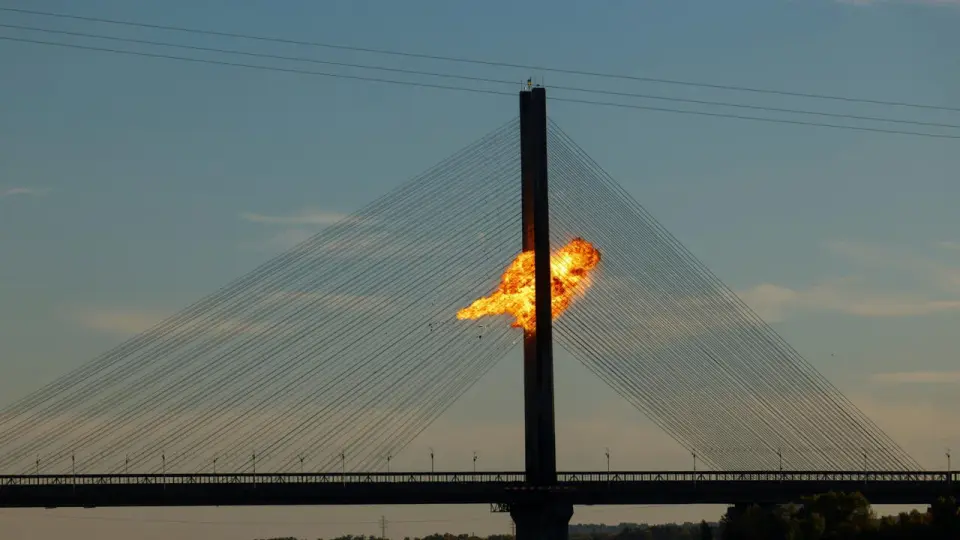
Russian forces struck Kyiv’s Northern Bridge on October 3, following a hit on the Southern Bridge the previous day. The attacks damaged road surfaces and trolleybus cables, suspending traffic across the Dnipro River and causing severe congestion. Mayor Vitali Klitschko described the situation as 'very dramatic,' noting that three of the city’s six bridges are now closed or partially suspended. Russia claims the bridges support Ukrainian military logistics, while Ukraine asserts the strikes aim to disrupt civilian life and force residents to flee.
Key points
- The Northern Bridge was hit on October 3, injuring two people and suspending traffic from the east to the west bank.
- The Southern Bridge was struck on October 2, leading to full or partial closures of three of Kyiv’s six Dnipro crossings.
- Russia’s Foreign Ministry urged foreign nationals and diplomats to leave Ukraine, citing 'mass retaliatory strikes.'
- Ukrainian lawmakers have discussed contingency plans, including ferries and pontoon bridges, to maintain connectivity if bridges are destroyed.
- Moldova summoned its Russian ambassador after five Russian drones and missiles violated its airspace and exploded on its soil.
Background
This escalation follows a pattern of intensified Russian attacks on Ukrainian infrastructure since September, when President Putin reportedly removed constraints on air campaigns. Previous strikes targeted data centers, apartment blocks, and energy facilities, leaving approximately 100,000 households without internet service. As winter approaches, Kyiv residents have been bracing for severe disruptions to heating and electricity, but the current bridge attacks have accelerated the hardship. The conflict has been deadlocked along the 1,250-kilometer front line for months, with no signs of a peace settlement.
How outlets are covering it
France 24 and BBC report that the strikes have caused significant travel chaos, with traffic jams persisting for multiple days. Klitschko emphasized the 'dramatic' situation, while Zelensky stated that Russia is attempting to destroy critical infrastructure to force civilians to flee. Russia’s Defense Ministry claims the bridges are used for military logistics, justifying the attacks as retaliation for Ukrainian strikes on Russian oil refineries. The Guardian notes that the attacks appear linked to Putin’s September order to scrap constraints on air campaigns, highlighting a shift toward targeting civilian infrastructure to disrupt daily life. Moldova’s President Maia Sandu condemned the incursions as 'dangerously reaching' her country, while Russian officials urged foreigners to leave, echoing warnings from May.
Why it matters
The destruction of key bridges threatens to split Kyiv in two, disrupting the daily commute of approximately 500,000 people and undermining the city’s resilience. The escalation signals a broader strategy to degrade Ukrainian infrastructure and morale, potentially affecting winter preparedness and international support. The spillover into Moldova raises concerns about regional stability and the risk of wider conflict in Europe.
What to watch
Ukraine is expected to implement contingency plans, including ferries and temporary bridges, to maintain connectivity across the Dnipro. Russia may continue 'mass retaliatory strikes' on Ukrainian cities, while Ukraine will likely intensify attacks on Russian energy infrastructure. Diplomatic efforts to secure a peace settlement remain stalled, and the conflict may further escalate as winter approaches.
- Russia strikes another major bridge across Kyiv's Dnipro river France 24
- Russia hits second major bridge in Ukraine's capital Kyiv BBC
- Bridge across Dnipro river in Kyiv hit during Russian attack, mayor says Reuters
- Russia Turns to Striking Kyiv’s Bridges, Threatening a Vital Lifeline The New York Times
- Ukraine war briefing: Russian attacks on Kyiv bridges cause traffic chaos The Guardian
Want the full story? Read the original reporting
Read on France 24