
Oil Falls as Trump Signals Diplomatic Progress with Iran Amid UN Threats
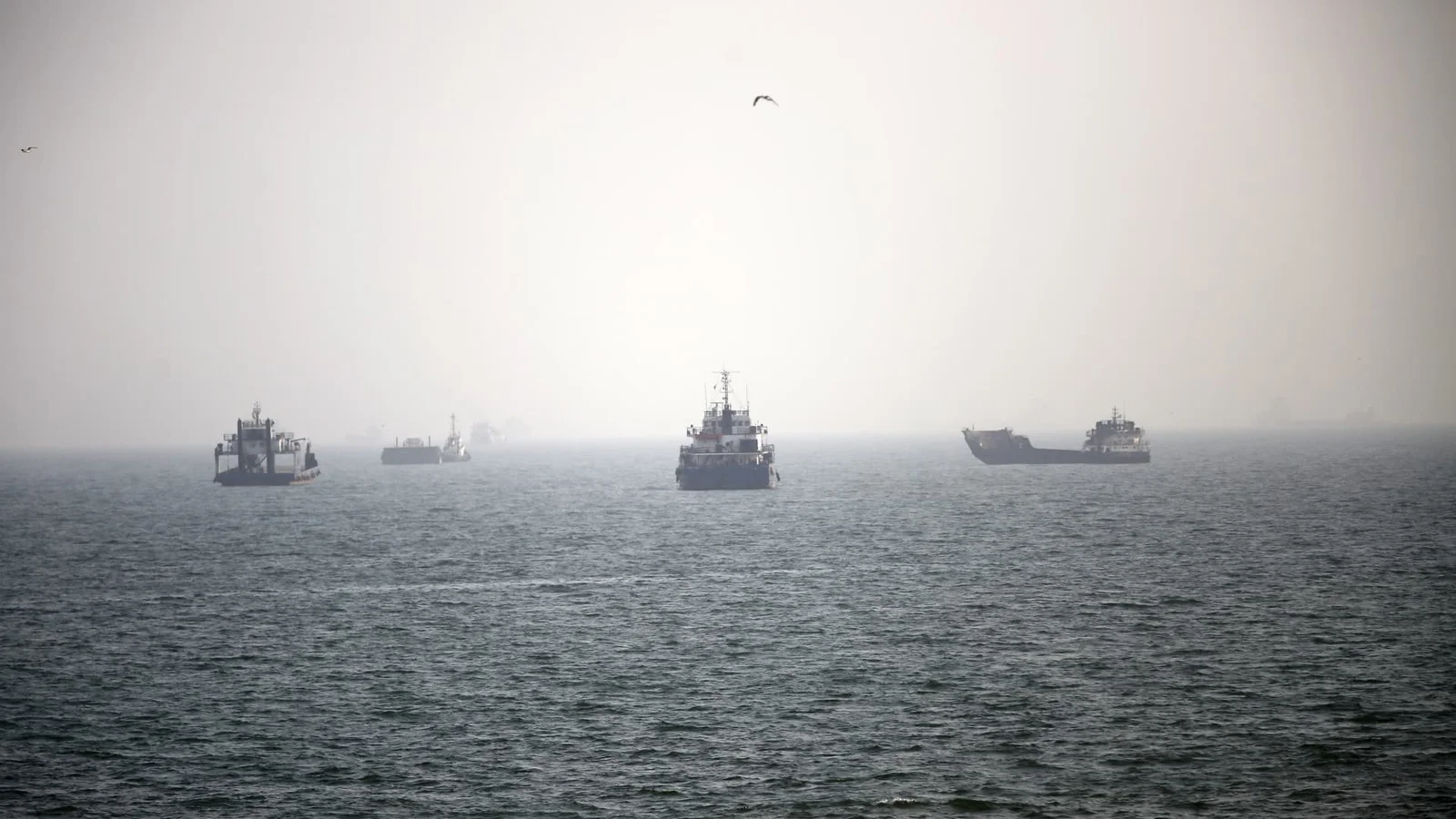
Crude oil prices dropped on Wednesday as President Donald Trump confirmed a 'very good' three-hour meeting with Iranian officials at the United Nations, despite earlier threats to 'annihilate' the country. Brent crude fell 0.71% to $98.55 and WTI dropped 1.26% to $89.36, reflecting market optimism that diplomatic talks could ease supply disruptions. Reuters reported Iran could reopen the Strait of Hormuz within a week if the US eases military pressure. However, Iran’s military dismissed the threat as a sign of 'strategic desperation' and warned of 'crushing' retaliation. CNN fact-checked several of Trump’s UN claims, including exaggerated war-ending figures and inaccurate munitions stockpile assertions, while Al Jazeera noted ongoing regional tensions, including Israeli strikes in Gaza and Lebanon.
Key points
- Trump confirmed a three-hour meeting with Iranian delegates at the UN, calling it 'very good,' while simultaneously threatening to 'annihilate' Iran if no deal is reached.
- Oil prices fell on Wednesday: Brent crude dropped 0.71% to $98.55 and WTI fell 1.26% to $89.36, driven by hopes of a diplomatic resolution to the Middle East conflict.
- Reuters reported that Iran could reopen the Strait of Hormuz within a week if the US lifts its blockade and eases military pressure, with Pakistan’s mediation efforts potentially reducing escalation risks.
- Iran’s General Staff dismissed Trump’s threats as a sign of 'strategic desperation' and warned that its armed forces are ready to deliver 'more crushing and less predictable' strikes against the US and Israel.
- CNN fact-checked Trump’s UN speech, finding multiple false claims, including exaggerated war-ending figures, inaccurate munitions stockpile assertions, and overstated crime reduction statistics in Washington, D.C.
- Al Jazeera reported ongoing regional tensions, including an Israeli drone strike in Gaza that killed one person despite a ceasefire, and an Israeli air attack in southern Lebanon that caused a power outage.
Background
Oil prices had been volatile in the preceding weeks, rising to nearly $102 per barrel for Brent crude on September 22 as tensions escalated ahead of the UN General Assembly. Earlier in September, renewed US-Iran clashes had pushed prices up more than 2%, with traders citing risks to shipments through the Strait of Hormuz. Trump had previously predicted the Iran war would not end until after the November midterm elections, suggesting oil prices would remain elevated. The current dip in oil prices marks a reversal from the previous week’s upward trend, driven by diplomatic optimism rather than fundamental supply shifts.
How outlets are covering it
CNBC and Al Jazeera emphasized the diplomatic progress, with CNBC highlighting the 'very good' meeting and Al Jazeera noting the market’s 'glimmer of hope' for a resolution. Both outlets reported the drop in oil prices as a direct result of these talks. The New York Times focused on the broader context of Trump’s UN speech, framing it as a rejection of the UN’s founding principles and a 'winner-takes-all' vision of US power. CNN, in contrast, provided a fact-check of Trump’s claims, highlighting inaccuracies in his assertions about ending wars, munitions stockpiles, and crime reduction. Al Jazeera also reported on Iran’s military response, which dismissed Trump’s threats as a sign of 'strategic desperation,' adding a layer of tension to the diplomatic narrative. The outlets diverged in their emphasis: CNBC and Al Jazeera focused on market reactions and diplomatic progress, while the New York Times and CNN focused on the political and factual dimensions of Trump’s speech.
Why it matters
The outcome of the US-Iran talks could significantly impact global oil prices and energy supply, particularly through the Strait of Hormuz, a critical chokepoint for oil shipments. A diplomatic resolution could ease supply disruptions and lower prices, while a failure could lead to further escalation and higher costs. Additionally, the fact-check of Trump’s claims highlights the importance of verifying political assertions, especially in a context where misinformation could influence public perception and policy. The ongoing regional tensions, including strikes in Gaza and Lebanon, underscore the broader instability in the Middle East and the potential for wider conflict.
What to watch
The next 24-48 hours will be critical for determining whether the US-Iran talks lead to a concrete deal or further escalation. The reopening of the Strait of Hormuz, if it occurs, could have immediate effects on oil prices and global energy supply. Additionally, the response from Iran’s military and the US to the ongoing regional tensions, including Israeli strikes in Gaza and Lebanon, will be closely watched. The fact-check of Trump’s claims may also influence public and political discourse, potentially affecting the administration’s credibility and policy decisions.
- Oil falls after U.S. and Iran talk for hours at UN meeting CNBC
- Trump Threatens Annihilation in Iran in UN Speech and Lays Out Winner-Takes-All Vision The New York Times
- Trump Hails Iran Talks, Reviving Hopes for Diplomacy Bloomberg.com
- Fact check: Trump’s false claims to the United Nations CNN
- Iran war live: Trump confirms ‘very good’ meeting with Iran at UN Al Jazeera
Want the full story? Read the original reporting
Read on CNBC