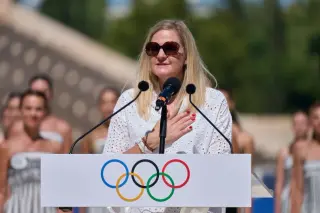
The International Olympic Committee has confirmed that seven countries are in formal dialogue to host the 2036 Summer Games. India and Qatar are among the bidders, with South Africa, Germany, Hungary, Turkey, and South Korea also participating. A final decision is expected in 2029.
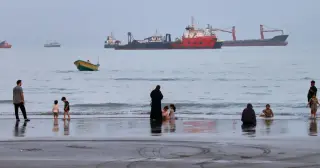
Qatar has rejected using pipelines to bypass the Strait of Hormuz due to the need for new LNG facilities abroad and commercial/technical reasons, while pressing ahead with the North Field expansion to raise LNG capacity from 77 to 142 mtpa by 2030 (first North Field East unit due in early 2027). Ras Laffan damages could delay exports, though undamaged units could resume quickly if Hormuz reopens. Separately, Doha Investment was launched to manage the QIA’s domestic portfolio with more than $60 billion in projects over five years, including about $38.5 billion in infrastructure and $22.5 billion in real estate/hospitality, as Qatar seeks greater private-sector participation amid a 7% Q1 2026 GDP drop.
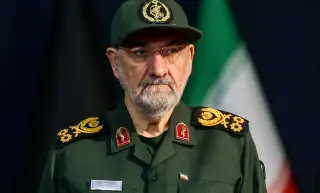
Iran's security chief Mohsen Rezaei says Tehran has sent formal conditions to Washington through Qatari mediators to end the war—end hostilities on all fronts, release of frozen funds, and a halt to the naval blockade—while awaiting President Trump’s response. Rezaei warned of a potential decisive war and cited Iran’s continued military planning against US naval forces, including a recent multi-warhead anti-ship missile test, as mediation with Qatar and Pakistan seeks to restart talks.
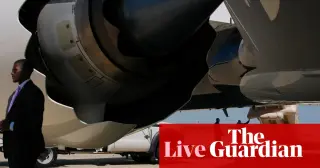
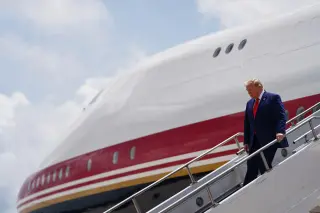
President Trump’s flight to Dallas for the GOP midterm convention was delayed after an emergency inflatable slide on a Qatar-donated replacement for Air Force One was deployed on the tarmac, triggering a safety check. Trump said there was no danger and that crews were ensuring everything works perfectly. The Qatar jet, a temporary substitute for Air Force One, has faced security vulnerabilities and upgrades, including a prior incident in July when Trump was moved via catering truck. The live updates also cover related political developments ahead of the convention.
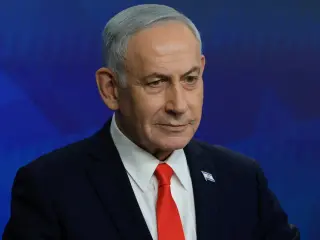
Israeli Prime Minister Benjamin Netanyahu boasted about bombing Qatar and defended transferring Qatar’s funds to Gaza as humanitarian aid, claiming the transfers were recommended by Israeli security agencies and overseen with U.S. involvement; Qatar condemned the strike, while critics question whether the funds ended up aiding Hamas, all ahead of Israel’s October 2025 elections and amid heightened regional tensions.
President Trump plans to travel to Ireland next weekend aboard the Boeing 747 gifted by Qatar, marking his first international trip on the jet since a July security threat forced him to depart Turkey on an alternate aircraft. White House officials say upgrades to the plane’s security have been delayed into the fall, with the administration planning to maximize security options for the mission.
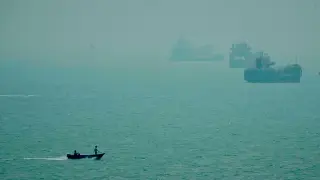
Mediators led by Qatar are pressing Iran to reopen the Strait of Hormuz, with Tehran saying it will draft a list of conditions for restoring traffic and a corridor with Oman is being discussed; the move comes as U.S. sanctions and pressure continue to complicate diplomacy and shipping routes adapt to a changed Gulf balance.
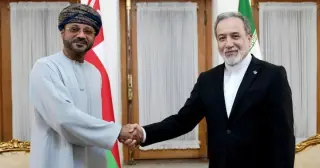
Qatar’s prime minister travels to Tehran to push for de-escalation and revival of US-Iran negotiations, joined by Pakistan’s army chief and Oman’s foreign minister as mediators press for dialogue; talks focus on ending hostilities, stabilizing Hormuz shipping and reviving a stalled agreement, while the US tightens sanctions and signals cautious engagement despite unclear direct involvement.
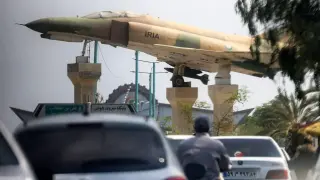
An Iranian military official urged Qatar to relocate detained Iranian pilots from water to a land-based hospital, saying they were in poor condition and asking the International Red Cross to send an air ambulance to expedite their return; Doha had denied holding the pilots, stating they violated Qatari airspace, while Tehran pressed for cooperation and access for investigators and experts.
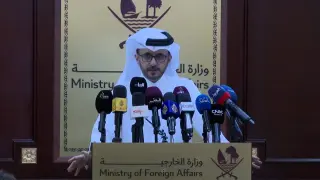
Qatar rejected Iran’s claim that three Iranian pilots were secretly detained after their planes crashed, saying only one pilot’s remains were handed to Iran and that the aircraft violated Qatar’s sovereignty and were dealt with under the law; Doha invited Iran to send a technical team, which Tehran did not accept, while stressing readiness to defend sovereignty and pursue diplomatic channels amid broader Gulf tensions linked to the US–Israel war on Iran.
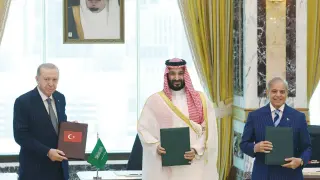
The Mecca Joint Defense Agreement, signed by Saudi Arabia, Turkey, and Pakistan, marks the informal birth of a Sunni bloc intended to counter Israel and Iran. While not a NATO-style obligation, the pact cements growing defense ties and signals Riyadh’s hedging strategy, with Qatar and possibly Syria as peripheral members. For Israel, rhetoric and shifting alignments from this bloc could complicate regional security as Turkey and Pakistan push for closer coordination against common rivals.
Qatar denied Iran’s claim that it is holding Iranian pilots after downing jets, while Tehran says pilots were captured and seeks access to verify their fate with Red Cross involvement. The dispute, part of broader Iran–US tensions in the Middle East, has prompted calls for transparency and investigations into the pilots’ status.
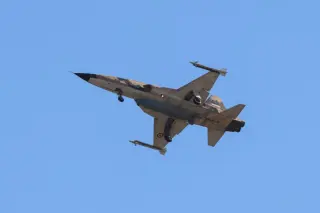
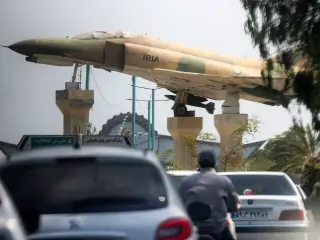
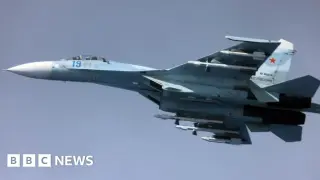
Qatar rejected Iran's claim that three Iranian pilots were being held in secret detention after their Su-24s were downed, saying no surviving aircrew are in custody; Doha confirmed contact with the aircraft after an unauthorized airspace breach and recovering one pilot's body, while Iran sought international intervention as broader Gulf tensions and mediation efforts continue.
Iran claims Qatar captured three Iranian pilots after two jets were downed in the early stage of the US-Iran war, with one pilot killed and Majid Kazemi’s body returned; Qatar denies any captives and says it contacted the pilots who did not respond; Iran has petitioned the ICRC, alleging violations of prisoners’ rights.
Iran says three Iranian military pilots captured in March after their Su-24s were shot down are still being held in Qatar with no contact to families or Iranian officials, about six months into captivity. An Iranian Armed Forces General Staff committee for missing personnel has appealed to the International Committee of the Red Cross for help securing their release; Tehran notes that one additional pilot was previously returned and cites ongoing discussions involving Qatar, Pakistan and the United States in the broader regional context.