
FSB Issues International Arrest Warrant for Telegram Founder Pavel Durov Over Terrorism Charges
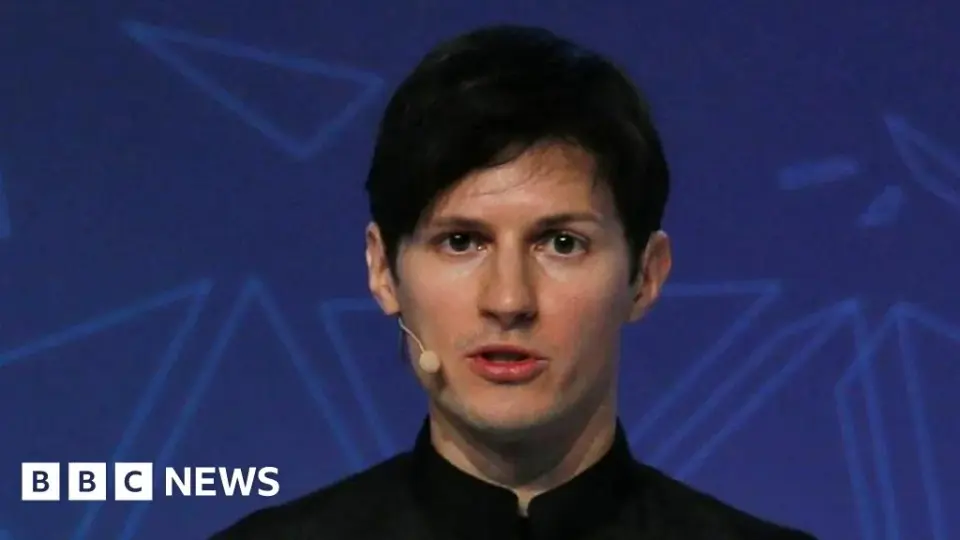
Russia’s FSB has charged Telegram founder Pavel Durov with facilitating terrorism, alleging the platform enabled Ukrainian intelligence to coordinate sabotage inside Russia. An international arrest warrant has been issued, though Durov lives abroad and holds French and UAE citizenship. Telegram responded with a defiant image of Durov, while Russian authorities continue to restrict the app’s access.
Key points
- The FSB accused Telegram of failing to remove channels and bots used by Ukrainian secret services to plan sabotage and terror acts in Russia.
- An international arrest warrant was issued for Durov, who currently lives in Dubai and holds French and UAE passports.
- The charge of aiding terrorist activities carries a maximum prison sentence of 15 years in Russia.
- Telegram’s official account posted an image of Durov giving the middle finger shortly after the warrant was announced.
- Russian regulators have been slowing download speeds and blocking video calls on Telegram, forcing users to rely on VPNs.
Background
This development follows earlier reports in July 2026 where Russia issued a global warrant for Durov over similar terrorism allegations. At that time, Moscow was also promoting a state-backed messaging service called MAX to replace Telegram. Durov has a history of clashing with Russian authorities, having left the country in 2014 after refusing to shut down opposition communities on his previous platform, VKontakte. He also faces a separate legal investigation in France regarding content moderation, having been arrested and indicted there in 2024 before being released.
How outlets are covering it
BBC and The Moscow Times agree on the core facts: the FSB issued the warrant, the charges involve facilitating terrorism, and Telegram responded with a defiant image. However, The Moscow Times provides additional context on the legal severity, noting the 15-year maximum sentence, and details the specific technical restrictions imposed by Roskomnadzor, such as slowing download speeds and blocking voice calls. BBC focuses more on Durov’s personal history and his previous accusations that Russia is fabricating pretexts to ban the app. Both outlets highlight that Durov lives abroad, making the enforcement of the Russian warrant uncertain.
Why it matters
The formal terrorism charge escalates the conflict between Russia and Telegram, potentially leading to a total ban of the platform in Russia. It also highlights the growing tension between tech platforms and state security services over content moderation and national security. The international warrant complicates Durov’s legal status, especially given his existing issues with French authorities, and may influence how other countries view Russian extradition requests.
What to watch
It is unclear if other countries will honor the Russian arrest warrant, given Durov’s residence in the UAE and French citizenship. Russian authorities may continue to intensify technical restrictions on Telegram, potentially making it unusable without a VPN. Durov may face further legal challenges in France or elsewhere, and the situation could impact Telegram’s user base in Russia, which numbers around 90 million.
- Russia charges Telegram founder Pavel Durov with facilitating terrorism BBC
- Russia charges Telegram founder Durov with aiding terrorism, he gives Moscow the finger Reuters
- Russia accuses Telegram CEO Pavel Durov of aiding terrorism in its latest digital crackdown Anchorage Daily News
- Why Is Telegram Getting Into Trouble Around the World? The New York Times
- FSB Issues Arrest Warrant for Pavel Durov for Aiding Terrorism The Moscow Times
Want the full story? Read the original reporting
Read on BBC