
Trump seeks 20-year Iran accord, claims US already achieved 'ultimate regime change'
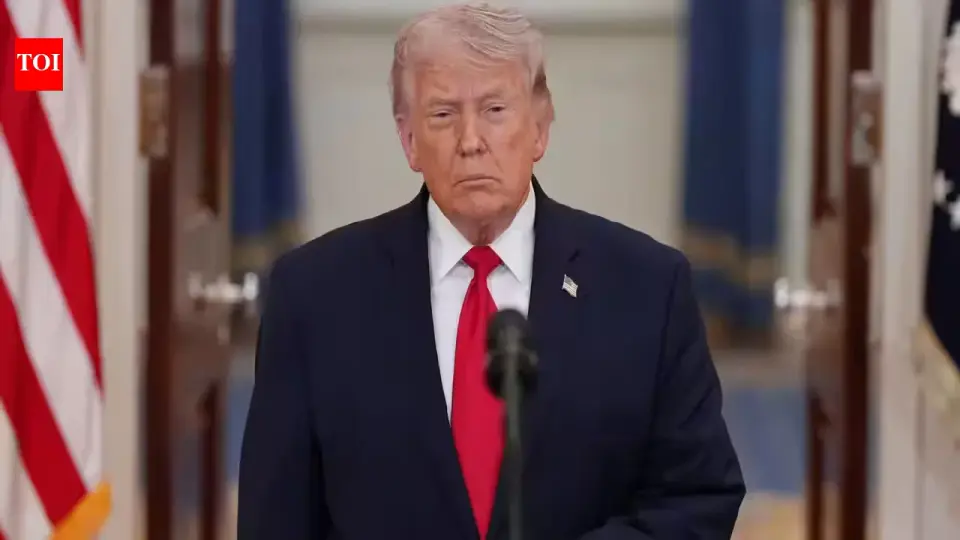
President Donald Trump stated in a Fox News interview that any future agreement with Iran must be permanent, lasting up to 20 years, to prevent future US administrations from allowing Tehran to acquire nuclear weapons. He claimed the US has already removed two Iranian leaderships, calling the current situation the 'ultimate regime change.' Meanwhile, Israel and the US are considering new military strikes, and Iran denied US allegations regarding chemical weapons development.
Key points
- Trump insists any deal with Iran must survive future US presidencies to ensure permanent non-proliferation.
- Trump claimed the US has already removed two Iranian leaderships, describing the current state as the 'ultimate regime change.'
- Iran’s foreign ministry rejected US claims about chemical weapons, comparing them to the 2003 Iraq WMD allegations.
- Israel and the US are considering a new joint assault on Iran, though Trump indicated he is not rushing to decide.
- The Senate recently rejected a resolution to limit presidential war powers regarding Iran, with three Republicans joining Democrats in support.
Background
In late October 2026, Israeli Prime Minister Benjamin Netanyahu declared regime change in Iran as his primary objective, urging US support for strikes on Iranian infrastructure. However, US officials, including envoy Tom Barrack, signaled a shift away from direct regime-change interventions, focusing instead on regional stability and economic sanctions. Trump had previously blocked strikes before the US midterm elections, citing political constraints. The current situation follows months of indirect negotiations that failed to reopen the Strait of Hormuz or address Iran’s nuclear program.
How outlets are covering it
The Times of India and Anadolu Ajansı focus on Trump’s verbal commitments to a long-term, permanent deal and his characterization of the current Iranian leadership as a result of US actions. They emphasize his desire to insulate the agreement from future political shifts. CBS News provides a broader operational context, reporting that Israel and the US are considering new military strikes due to Iran’s rebuilding of ballistic missile capabilities, despite Trump’s public statements about not rushing. CBS also highlights the domestic political friction, noting the Senate’s rejection of a war powers resolution, while Iranian officials dismiss US chemical weapons claims as a repeat of the 'fraudulent script' used to justify the 2003 Iraq invasion.
Why it matters
Trump’s push for a 20-year permanent deal signals a strategic attempt to lock in non-proliferation terms beyond his presidency, potentially altering the trajectory of US foreign policy. The simultaneous consideration of new military strikes by Israel and the US, alongside domestic legislative resistance to war powers, indicates a complex and volatile diplomatic landscape. Iran’s rejection of chemical weapons allegations and the ongoing Houthi-Saudi conflict further complicate regional stability, suggesting that despite diplomatic rhetoric, the risk of renewed military escalation remains high.
What to watch
Trump indicated he may wait until 2027 to make decisions on Iran, suggesting a pause in immediate military action. However, Israel and the US are evaluating a new joint assault, with Israel in peak defensive posture. The outcome of ongoing negotiations, or lack thereof, will determine whether the 'permanent' deal materializes or if military strikes resume. The Senate’s recent vote suggests continued domestic political division over the war, which may influence future executive decisions.
- Trump says Iran deal could last 20 years, claims US removed Tehran leadership twice, eyes 'ultimate regim The Times of India
- Live Updates: Trump says he wants "permanent" deal with Iran; warns next move may not come until 2027 CBS News
- Trump vows to make ‘permanent’ deal with Iran, prevent future nuclear ambitions Anadolu Ajansı
- Trump insists Iran won’t make an ‘acceptable’ deal as concerns grow about next steps AP News
- Trump Pushes for Nobel Prize Again, Slams Iran Over ‘Fake’ Deal to End War Newsweek
Want the full story? Read the original reporting
Read on The Times of India