
Russia Faces a Generational Vacuum as Putin’s Aging Inner Circle Blocks Succession Planning
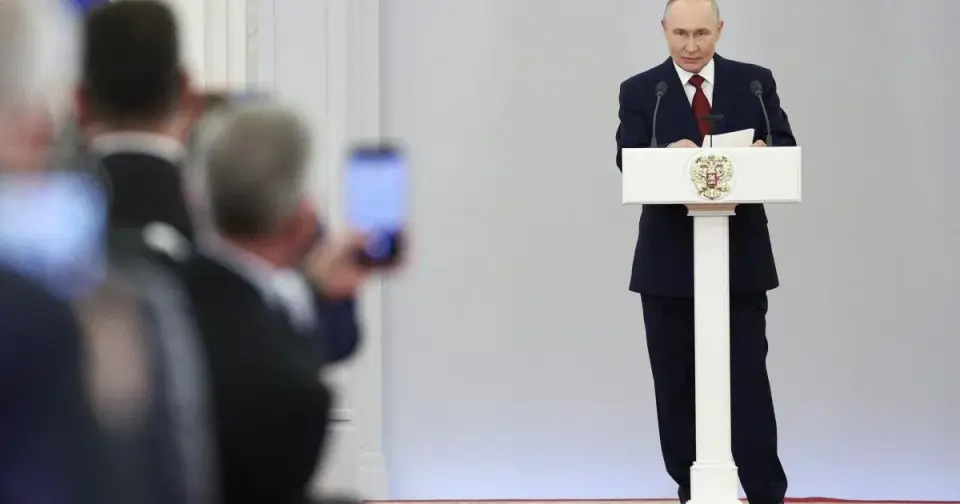
Foreign Affairs argues that Vladimir Putin’s refusal to designate a successor has created a dangerous power vacuum, as his aging inner circle blocks younger elites from gaining leadership experience. While the regime relies on a small group of septuagenarian officials to maintain control, this stagnation risks a chaotic transition similar to the post-Stalin era. Meanwhile, Daily Kos warns that the ongoing war in Ukraine is economically and militarily unsustainable, comparing Putin’s refusal to negotiate to the fatal miscalculations of Tsar Nicholas II during World War I.
Key points
- Putin has no formal plan for succession, relying instead on a tight network of aging allies who control key security and state institutions.
- The current prime minister, Mikhail Mishustin, lacks the personal power base to effectively transition into a presidential role if the office becomes vacant.
- Younger potential leaders are being bypassed in favor of the children of current elites, creating friction and preventing the development of a trained successor generation.
- Ukraine’s drone campaigns are systematically destroying Russian oil infrastructure and military assets, crippling the economic engine that sustains the war effort.
- Analysts compare the current Russian military and economic strain to the collapse of the Tsarist empire during World War I, suggesting a potential breaking point for the state.
Background
This analysis follows recent developments where Putin signed laws targeting Russians living abroad and tightened financial controls, reflecting his continued consolidation of power despite external pressures. Earlier coverage also noted shifting US diplomatic stances toward Ukraine, which may influence the timeline of any potential Russian leadership transition or war conclusion.
How outlets are covering it
Foreign Affairs focuses on the structural and institutional risks of Putin’s gerontocracy, emphasizing how the exclusion of younger generations from high politics creates a fragile and potentially chaotic succession process. In contrast, Daily Kos highlights the immediate external pressures, arguing that the war’s economic and military toll is forcing a crisis that Putin’s isolationist bubble prevents him from addressing. While Foreign Affairs views the succession crisis as a long-term internal decay, Daily Kos frames it as an acute, near-term collapse driven by battlefield realities and economic failure.
Why it matters
The lack of a clear succession plan in Russia could lead to a power struggle among elites, potentially destabilizing the region and altering the trajectory of the war in Ukraine. If the current leadership fails to manage the transition, it could result in internal conflict or a rapid collapse of the state apparatus, with significant implications for global security and energy markets.
What to watch
Observers will watch for any shifts in the positions of key figures within Putin’s inner circle, such as the heads of the FSB or Security Council, as well as any signs of economic collapse or military defeat that might force a premature transition. The outcome of the war in Ukraine will also be a critical indicator of whether the current regime can sustain its current trajectory or faces a breaking point similar to historical precedents.
- After Putin Foreign Affairs
- We should not fear a post-Putin Russia Atlantic Council
- When the Guns Fall Silent: The Bleak Future of Postwar Russia | Proceedings - August 2026 Vol. 152/8/1,482 U.S. Naval Institute
- What Role Will Russian Business Play in the Post-Putin Transformation of the Country? Russia Post
- Putin’s Fate Could Be Tsar Nicholas II’s Daily Kos
Want the full story? Read the original reporting
Read on Foreign Affairs