Tag

Us Iran Negotiations

All articles tagged with #us iran negotiations

IRGC Pushes Hormuz Control as US-Iran Talks Stall
world1 day ago

IRGC Pushes Hormuz Control as US-Iran Talks Stall

ISW-CTP’s Iran Update says Tehran is pressing to frame IRGC‑led control of Hormuz transit as the new norm, a stance the US and the international community should reject; negotiations show no major progress on core issues, with Iran seeking unfrozen assets—likely around $12 billion—to fund military reconstitution and offset sanctions, while hardline IRGC figures resist concessions. Reports also flag alleged Chinese arms transfers to Iran, ongoing U.S. and Israeli air/maritime actions, and Axis of Resistance activity (notably Hezbollah–Israel clashes) as diplomacy remains unresolved.

Stalemate at the Strait: US-Iran Talks Fray as Hormuz Tension Mounts
middle-east3 days ago

Stalemate at the Strait: US-Iran Talks Fray as Hormuz Tension Mounts

ISW-CTP’s May 28 update ties together a reported 60-day MoU to extend a ceasefire and discuss Iran’s nuclear program with Tehran’s apparent reluctance to concede, especially on relinquishing control of the Strait of Hormuz. The US is pressuring Iran through sanctions (including on the PGSA) and strikes to prevent a “protection racket,” while Iranian demands for immediate economic relief and ambiguities over terms complicate any deal. Domestically, Iran re-elected Ghalibaf as parliament speaker. In the Lebanon theater, the IDF conducted strikes around Beirut and northeast of the Litani, signaling intensified Israeli activity against Hezbollah amid broader Axis of Resistance actions.

Qatar’s Quiet Cash to Tehran Complicates Iran-US Talks
middle-east6 days ago

Qatar’s Quiet Cash to Tehran Complicates Iran-US Talks

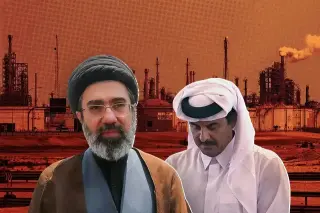
Qatar is reported to have provided substantial financial support to Iran in recent weeks as part of efforts surrounding US-Iran negotiations. The funds, tied to access to Iranian deposits and possibly disguised as tanker payments through the Strait of Hormuz, come as Doha seeks to prevent renewed Iranian attacks and to advance a broader deal, including potential cooperation on a shared gas field. US internal divisions over the deal’s terms—funds release, enrichment commitments, and verification—complicate progress, highlighting Qatar’s growing economic role in the talks and the fragile regional dynamics surrounding Iran.

Iranians Express Skepticism as Possible US-Iran Deal Looms
world7 days ago

Iranians Express Skepticism as Possible US-Iran Deal Looms

As rumors of a potential framework to end the US-Iran war and reopen the Strait of Hormuz circulate, Iranians express anger and deep distrust toward both foreign powers and their own leadership, warning that any deal could be a political arrangement at the expense of ordinary people amid high inflation, unemployment and ongoing repression; while some officials push diplomacy, public sentiment ranges from opposition to temporary ceasefires to calls for internal change, and polls reveal sweeping skepticism about a lasting agreement.

Hormuz Fees and Slimmer Talks: Iran’s Strait Strategy Shapes the War
world9 days ago

Hormuz Fees and Slimmer Talks: Iran’s Strait Strategy Shapes the War

ISW-CTP say talks between the US and Iran have shown only slight progress, with the main sticking points being Tehran’s uranium enrichment and its bid to control the Strait of Hormuz. Iran has pressed a “protection racket” model—charging ships for safe passage and seeking formalized control with Oman—while Gulf neighbors and the US reject any de facto dominance of Hormuz, arguing full freedom of navigation is a prerequisite for a durable end to the war. The update also notes ongoing Iranian-backed Iraqi militia activity and US pressure to disarm them, all amid broader regional dynamics and Tehran’s influence efforts.

Mediators Struggle as Iran Demands Hormuz Control and Rebuilds Its Arsenal
world10 days ago

Mediators Struggle as Iran Demands Hormuz Control and Rebuilds Its Arsenal

ISW-CTP’s May 21 update says mediators are narrowing gaps with Iran but Tehran has not yet responded, with nuclear issues and the Strait of Hormuz remaining the main sticking points. Iran appears divided over HEU concessions while pushing to formalize Hormuz transit through a PGSA-defined maritime zone, a move that expands Iran’s claimed control over regional waters. The ceasefire period is also used to reconstitute its drone and missile programs with help from China and Russia, even as a US-led blockade and sanctions target allied actors like Hezbollah in Lebanon. No major new combat developments are reported.

Iran’s Ultra-Hardline Paydari Front Fights Any US Deal
world23 days ago

Iran’s Ultra-Hardline Paydari Front Fights Any US Deal

The ultra-hardline Jebhe-ye Paydari (Endurance Front) is actively opposing any deal with the United States, arguing negotiations betray the 1979 revolution, and is leveraging media, parliament, and street rallies to pressure Tehran’s negotiators. While leaders project unity, the group’s influence persists through senior figures and loyal media networks, complicating talks and signaling ongoing power struggles within Iran as negotiations unfold.

Iran’s Hardline Push Keeps Hormuz at Center of Talks
world1 month ago

Iran’s Hardline Push Keeps Hormuz at Center of Talks

ISW-CTP’s Iran Update says Tehran’s hardliners, led by IRGC chief Ahmad Vahidi, are unlikely to concede on the Strait of Hormuz or nuclear issues in upcoming talks, with Iran seeking to present a revised proposal that includes Oman but facing rejection. The regime is preparing for renewed pressure by shoring up internal unity and reconstituting missile/drone forces while considering countermeasures against the US blockade. In the region, Israel is adapting to Hezbollah FPV drones, and Iranian-backed groups remain active, signaling a continued risk of renewed conflict despite the ceasefire.

Hormuz in Limbo: War, Proposals and Market Ripples
world1 month ago

Hormuz in Limbo: War, Proposals and Market Ripples

The conflict around Iran and the Strait of Hormuz remains volatile: Sweden warns of a potential jet-fuel shortage due to disruptions linked to the war, while some ships pass through the strait amid heightened tensions. Israel warns Lebanese towns to evacuate as clashes persist, and Iranian and U.S. officials exchange tough positions. Washington is weighing an Iranian proposal to reopen the Strait of Hormuz in exchange for delaying nuclear talks, with red lines on Iran’s nuclear program reiterated. Oil markets reacted with gains (Brent over $111, U.S. crude around $98–99), and global stocks showed mixed moves as investors digest the evolving diplomacy and supply risk.

Iran Seeks Putin Backing as U.S. Talks Collapse and Hormuz Tensions Rise
world1 month ago

Iran Seeks Putin Backing as U.S. Talks Collapse and Hormuz Tensions Rise

Amid the collapse of U.S.–Iran nuclear talks, Iran's foreign minister met Vladimir Putin in Moscow, signaling Moscow's growing role as Tehran signals possible leverage over the Strait of Hormuz, potentially reopening it in exchange for lifting the blockade; U.S. officials warn of possible Russian intelligence sharing, as diplomacy falters and global oil markets brace for disruption.

Iran’s Generals Take the Wheel: A New Power Structure Emerges
world1 month ago

Iran’s Generals Take the Wheel: A New Power Structure Emerges

Iran’s power structure has shifted from a single supreme leader to a guard-led corps, with Mojtaba Khamenei largely deferring to the Islamic Revolutionary Guards Corps’ generals who decide security, war and diplomacy; the president and foreign minister are sidelined, a 'triangle of power' with Ghalibaf and Taeb binds policy, and the Guards drive negotiations with the United States, including strategic moves like closing the Strait of Hormuz, while hard-liners push back against concessions.

IRGC flexes Hormuz control as Iran’s leadership fractures over talks
world1 month ago

IRGC flexes Hormuz control as Iran’s leadership fractures over talks

ISW-CTP’s Iran Update notes that the IRGC Navy attacked and redirected two vessels in the Strait of Hormuz on April 22, likely to press Iran’s sovereignty claims and disrupt shipping for concessions, in part a response to the US seizure of an Iranian-flagged vessel. The actions, and IRGC commander Ahmad Vahidi’s posture, suggest a readiness to resume war if needed, even as Iran’s decision-making remains fragmented with competing factions blocking a unified negotiating position. The US has extended the ceasefire to allow for a unified Iranian proposal, but internal divisions persist. Beyond Iran, Hezbollah and Iraqi militias continue attacks, while the US has paused some funding and dollar shipments to Iraqi security forces, signaling a broader, tense regional dynamic with negotiations unsettled and risk of renewed hostilities.

Hormuz Leverage and Enrichment Clash Stall US-Iran Talks Amid Blockade
middle-east1 month ago

Hormuz Leverage and Enrichment Clash Stall US-Iran Talks Amid Blockade

ISW/CTP’s Iran Update notes ongoing US-Israeli strikes and a tightening blockade pressuring Iran, while talks stall over Tehran’s enrichment and control of the Strait of Hormuz. Iran’s internal factionalism, with the IRGC playing a large role, complicates a unified negotiating stance. Tehran seeks concessions on maritime access and funds; the US pushes zero enrichment. A 10-day Israel-Lebanon ceasefire adds regional tension, as Hezbollah and Israel exchange attacks before and during the truce. Sanctions and the blockade are squeezing Iran’s economy and its steel/petrochemical exports even as Iran attempts to reconstitute its missile force. There is no clear breakthrough yet, with mixed signals from both sides.

Blockade Tightens as Iran’s Internal Divisions Shape Negotiations
world1 month ago

Blockade Tightens as Iran’s Internal Divisions Shape Negotiations

ISW-CTP’s Iran Update says the US-led blockade of Iranian ports remains in force with no ships breaching in the first 48 hours; Washington has set two preconditions for a new round of talks—reopening the Strait of Hormuz and giving Iran’s negotiating delegation full authority to finalize a deal—highlighting Tehran’s internal factional splits over concessions. The report also notes continued sanctions on Iranian oil networks, ongoing US-Israel pressure on enrichment, Iran’s efforts to reorganize its missile forces during the ceasefire, and Tehran’s use of a Chinese-made reconnaissance satellite to monitor targets. In Lebanon, Israel’s security cabinet weighs a possible ceasefire as Hezbollah conducts attacks and the IDF carries out strikes; Iran reportedly faces an IED attack in Tehran as domestic security concerns rise.

No Deal in Islamabad: US Faces Hard Choices After Iran Talks Collapse
world1 month ago

No Deal in Islamabad: US Faces Hard Choices After Iran Talks Collapse

After more than 21 hours of talks in Islamabad, Vice President JD Vance leaves Iran negotiations without a deal, leaving the Trump administration to choose among extended negotiations, resuming military action, or other high-risk options as Tehran resists terms tied to sanctions relief and a permanent restraint on its nuclear program. Both sides claim victory, but the cease-fire ends April 21 and control of the Strait of Hormuz remains a central bargaining chip with potential knock-on effects for oil markets and inflation.