
Beijing's Oil Leverage Over Tehran Tests Trump-Xi Summit
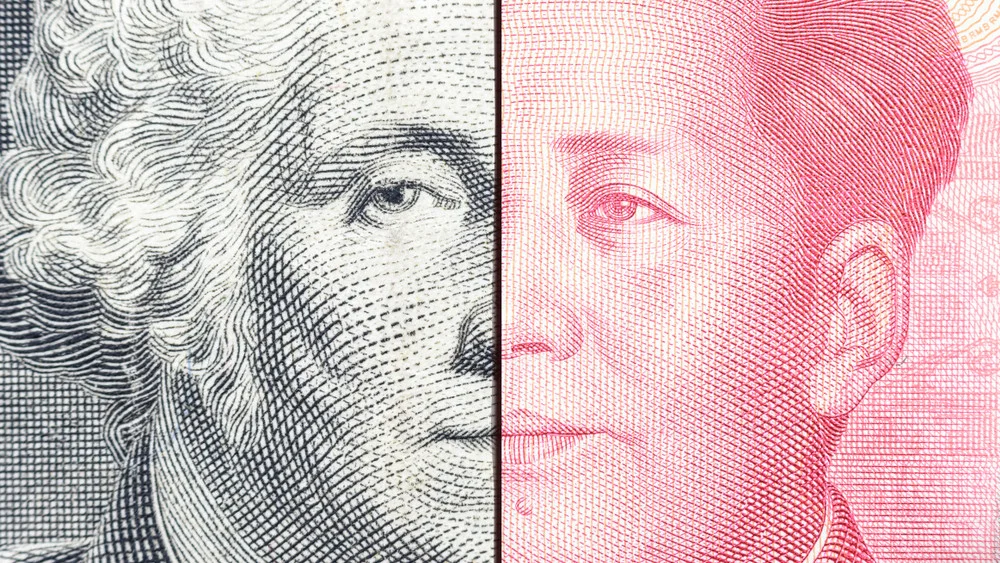
China’s dominance of Iranian oil exports complicates the upcoming Trump-Xi summit, as Beijing balances economic pressure from soaring energy costs against geopolitical gains from US military strain. While Washington seeks Chinese cooperation to curb Tehran’s revenue, Beijing views the conflict as an opportunity to weaken US influence in the Middle East.
Key points
- China buys over 80% of Iran’s seaborne oil, providing Tehran with critical economic lifeline despite US sanctions.
- The US-Iran war has cost the Pentagon over $38 billion, diverting military assets from the Pacific and leaving the US without a carrier in the Western Pacific.
- Shanghai crude futures hit a record 929.4 yuan per barrel, pressuring China’s economy despite its large strategic oil reserves.
- Beijing uses non-dollar transactions and 'shadow fleets' to evade US sanctions, while Washington hesitates to sanction major Chinese banks due to mutual economic risks.
- Analysts expect quiet sanctions discussions at the summit rather than a breakthrough, as China prioritizes distancing itself from the US over ending the war.
Background
The Trump-Xi summit, scheduled for September 24, is Xi’s first state visit to the White House in over a decade. Recent months saw Xi accelerate global outreach through trips to Egypt and India, signaling Beijing’s push to broaden its international role. Earlier coverage noted that markets rallied on hopes of progress in US-China trade and AI talks, but the Iran conflict introduces a new layer of complexity, with Washington pressing Beijing to cooperate on sanctions against Tehran.
How outlets are covering it
OilPrice.com and RFE/RL emphasize China’s strategic leverage, noting that Beijing benefits from US military strain while facing economic pressure from high oil prices. NDTV highlights the financial burden on the US, citing $43.6 billion in war costs and rising fuel inflation, while stressing China’s role in sustaining Iran’s economy. Plataforma Media focuses on the mechanics of sanctions evasion, detailing how China uses 'dark fleets' and non-dollar transactions to bypass US oversight. The outlets differ on the likelihood of a breakthrough: RFE/RL expects quiet sanctions talk, while NDTV questions whether China will agree to reduce Iran’s oil revenue. All agree that China’s relationship with Iran is asymmetric, with Tehran depending far more on Beijing than vice versa.
Why it matters
The outcome of the Trump-Xi summit could reshape US-China relations and the trajectory of the Iran conflict. If China continues to support Iran economically, it may prolong the war and further strain US resources. Conversely, if Beijing cooperates with Washington, it could signal a shift in the balance of power in the Middle East. The summit also tests the limits of US sanctions and the resilience of China’s economic ties with Tehran, with implications for global energy markets and geopolitical stability.
What to watch
Watch for any announcements on sanctions or trade deals from the Trump-Xi summit. Monitor oil prices and shipping traffic through the Strait of Hormuz for signs of de-escalation. Track US-China trade data and any shifts in Chinese oil imports from Iran. Keep an eye on Pentagon spending and military deployments in the Pacific, as any changes could reflect the impact of the Iran conflict on US strategic priorities.
- China's 80% Grip on Iranian Oil Looms Over Trump-Xi Summit Crude Oil Prices Today | OilPrice.com
- Bessent is sitting down with Iran's biggest oil customer Yahoo Finance
- Iran War Is Costing US Billions. The Solution May Lie With Xi Jinping NDTV
- Will China play a role in ending Iran war? アラブニュース
- How China continues to bypass US sanctions on Iran? Plataforma Media
Want the full story? Read the original reporting
Read on Crude Oil Prices Today | OilPrice.com