
Simulations Reveal China’s Amphibious Assault on Taiwan Faces Insurmountable Logistical and Defensive Hurdles
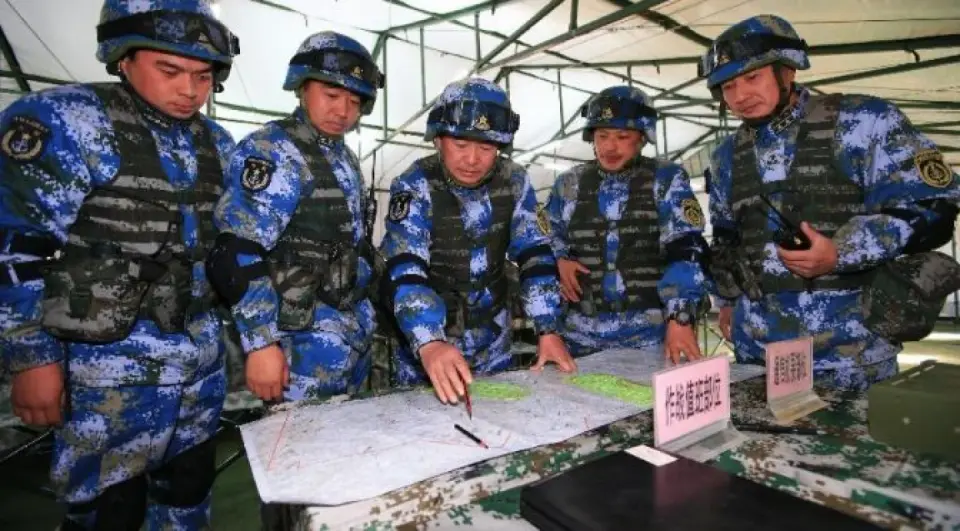
A detailed military analysis argues that China cannot successfully execute a large-scale amphibious invasion of Taiwan due to severe logistical constraints, limited naval lift capacity, and Taiwan’s robust defensive infrastructure. The study concludes that while Beijing might seize small, poorly defended areas, it lacks the capability to sustain a beachhead or suppress Taiwanese counterattacks effectively.
Key points
- China’s active military strength has declined from 240,000 in 2000 to 95,000 in 2026, limiting its offensive options.
- The People’s Liberation Army Navy (PLAN) can only land a single Marine brigade at a time, with subsequent waves requiring 72 hours and leaving the initial force isolated.
- Taiwan’s extensive road network allows rapid counter-concentration of forces, negating the advantage of surprise landings.
- China lacks sufficient long-range artillery and air power to suppress Taiwanese reinforcements during the critical initial hours of an invasion.
- Simulations show that even under favorable conditions, Chinese forces would suffer catastrophic losses similar to the 1942 Dieppe raid.
Background
This analysis follows recent tensions between China and Taiwan, including diplomatic rifts with Japan and high-profile cases involving illegal AI server exports from Taiwan to China. These events highlight the broader strategic competition and technological friction between the two sides, which underpins the military concerns addressed in this briefing.
Why it matters
The findings challenge prevailing fears in Washington that China could rapidly seize Taiwan via a surprise amphibious assault. By demonstrating the logistical and tactical impossibility of such an operation, the analysis suggests that any conflict would likely involve protracted, limited engagements rather than a swift decapitation strike, influencing how allies and adversaries assess deterrence and defense strategies.
What to watch
Military analysts expect China to continue developing alternative strategies, such as protracted drone warfare or limited seizures of sparsely populated areas like Chiayi, to test defenses without committing to a full-scale invasion. Taiwan is likely to emphasize rapid reaction drills and pre-emptive defensive postures to counter potential surprise attacks.
Want the full story? Read the original reporting
Read on RealClearDefense