
CIA Warning of Russian Sea-Launched Drone Threats Sparks European Denials
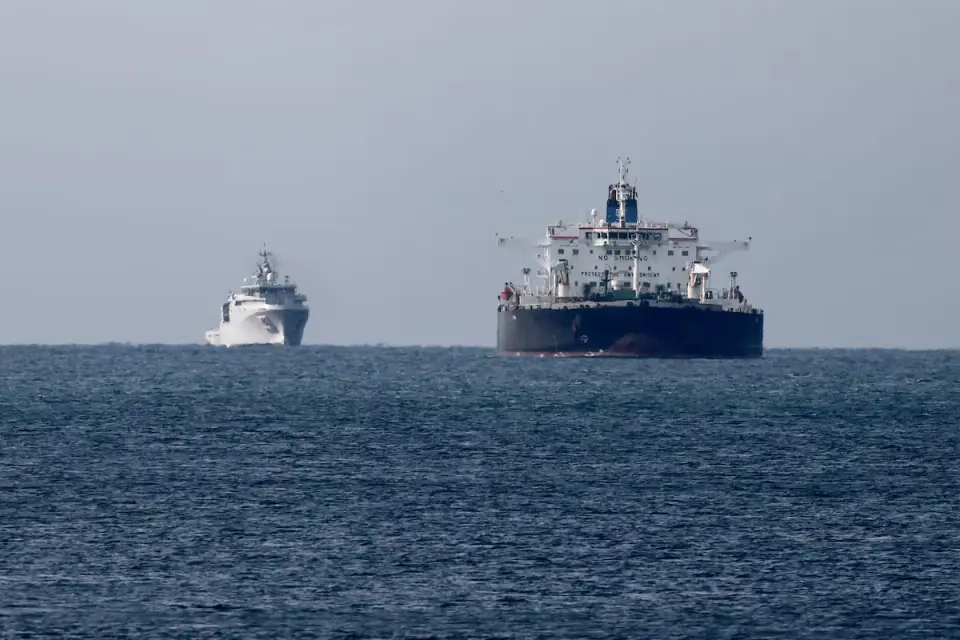
The CIA reportedly warned Spain, France, and Italy of a potential Russian drone attack launched from commercial vessels in the Mediterranean. While El Mundo cites intelligence from a Lithuanian source, French and Italian officials have denied receiving such alerts, though Macron acknowledged the threat as plausible.
Key points
- El Mundo reported that the CIA assessed Russia might launch Geran-5 drones from ships in the Mediterranean to strike Spain, France, or Italy.
- The drones, with a 600 km range and small warheads, are designed to cause fires or infrastructure damage rather than mass casualties.
- French President Emmanuel Macron denied France received the specific CIA warning but confirmed Russia’s intent to strike Europe is plausible.
- Italian Defense Minister Guido Crosetto dismissed the report as unconfirmed, stating it adds unnecessary tension to an already nervous period.
- The alert coincides with heightened hybrid warfare, including a recent drone attack on a German airport attributed to Russia.
Background
This development follows a year of escalating Russian hybrid warfare in Europe, including airspace violations in Poland and drone incidents in the Baltic. The Geran-5 drone, recently intercepted by Ukrainian forces, is a jet-powered variant with a 600 km/h speed, representing an evolution from older propeller models. Previous incidents, such as a Swedish Navy detection of a drone from a Russian ship in the Öresund Strait, have raised concerns about maritime launch capabilities.
How outlets are covering it
El Mundo and Ukrainian outlet Ukrainska Pravda presented the CIA warning as a serious threat, citing anonymous sources and defense analysts. In contrast, Euronews reported that Macron and Italian officials explicitly denied receiving the specific alert, with Crosetto calling the report 'unconfirmed.' Meduza highlighted the political context, noting that southern Europe was targeted due to upcoming 2027 elections and perceived 'political fragility,' while also noting Russian officials' denials of threatening European nations.
Why it matters
The incident highlights the growing risk of kinetic escalation in Europe, potentially testing NATO’s collective defense mechanisms. It underscores the vulnerability of European infrastructure to asymmetric warfare and the challenges of verifying intelligence amid political tensions. The denial by key European leaders may indicate a desire to avoid panic, but the underlying threat of drone warfare remains a significant security concern for the alliance.
What to watch
European nations are expected to increase counter-drone measures and air defense readiness, as seen in recent Austrian military exercises. NATO may further coordinate intelligence sharing and defensive postures in the Mediterranean. The situation will likely remain tense as Russia continues its hybrid warfare campaign, with potential for further incidents or denials from Moscow.
- Report: CIA warned Europe of Russian drone attack from vessels in the Mediterranean Defense News
- French President Emmanuel Macron denies claims the CIA informed France of a possible Russian drone operation Euronews.com
- CIA reportedly warns of Russian plans to attack Spain, France or Italy with sea-launched drones Українська правда
- CIA did not warn France about possible Russian drone attacks, Macron says Reuters
- ‘No one needs more fuel on the fire.’ Italy pushes back on report that CIA warned of possible Russian sea-launched drone attacks. meduza.io
Want the full story? Read the original reporting
Read on Defense News