
Danish Intelligence Warns of Rising Risk of Limited Russian Strikes on NATO
Danish intelligence warns of a growing risk that Russia may launch limited military strikes or deploy troops into NATO territory in the coming months. This assessment follows a series of sabotage incidents across Europe, including a drone attack in Germany and a fire at a Starlink station in Poland, which officials link to Moscow's hybrid warfare strategy. While an outright invasion is deemed unlikely, the Kremlin is seen as testing NATO's resolve and exploiting divisions within the alliance.
Key points
- The Danish Defence Intelligence Service (DDIS) reports a 'low but growing risk' of limited Russian military attacks on NATO infrastructure in the coming months.
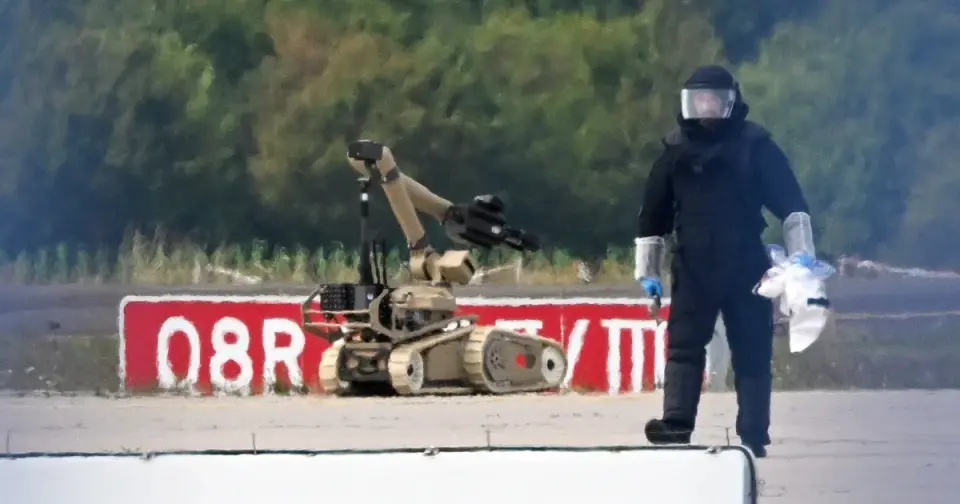
- Recent incidents include a drone with explosives found at a German airport, fires at rail and power facilities in Poland and Germany, and a drone shot down in Lithuania.
- Poland’s deputy prime minister described a fire at a Starlink ground station as an act of sabotage aimed at disrupting internet services for Ukraine’s military.
- NATO allies are concerned that Moscow is testing the alliance's unity and the U.S. commitment to collective defense, particularly as American military presence in Europe is being reassessed.
- Baltic states urge caution, noting no imminent conventional threat, while Ukraine’s president urges Europe to respond firmly to deter further escalation.
Background
This escalation follows months of heightened tensions, including earlier warnings from Ukrainian intelligence chief Kyrylo Budanov about Europe’s growing awareness of Russian hybrid threats. Previous incidents, such as the Leipzig drone event, were analyzed as calculated probes of Western unity. The current situation is compounded by U.S. military restructuring, including the dismantling of a Europe-based drone unit, which has raised questions about American readiness to support European allies.
How outlets are covering it
NBC News emphasizes the psychological impact of recent incidents, noting that the German drone discovery shifted European perceptions of Russia’s risk tolerance. CNBC highlights the DDIS report’s specific warning about potential casualties from sabotage and cyberattacks, framing it as a desperate move by Moscow to divert resources from Ukraine. The Guardian focuses on the strategic implications, citing a source who claims Russian military leadership views NATO as already engaged in a hybrid war, justifying retaliatory actions. While all sources agree on the rising threat, they differ on the immediacy of a conventional attack, with Baltic officials stressing that Russia’s resources remain tied up in Ukraine, making a full invasion unlikely but provocations probable.
Why it matters
The potential for limited Russian strikes on NATO soil could trigger Article 5, testing the alliance's cohesion and the U.S. commitment to European defense. If NATO fails to respond collectively, it may embolden Moscow to escalate further, potentially destabilizing the region and undermining support for Ukraine. The incidents also highlight vulnerabilities in critical infrastructure, such as energy grids and communication networks, which are increasingly targeted in hybrid warfare.
What to watch
European nations are expected to enhance security measures, including evacuating vulnerable populations and lifting bans on hosting nuclear weapons. The U.S. is likely to monitor the situation closely, as Secretary of State Marco Rubio has expressed concern about the conflict 'metastasizing' into other regions. NATO may face pressure to agree on a unified response to deter further Russian aggression, while Moscow continues to deny involvement in the incidents.
- Europe frets as the Kremlin pushes the limits of its hybrid warfare NBC News
- Russia could attack a NATO country within months, Danish intelligence warns CNBC
- Russia could attack a Nato country within months, Danish intelligence says The Guardian
- Putin’s Shadow War Is Testing NATO’s Restraint Bloomberg.com
- Is Russia planning to attack Nato? What defence chiefs truly think The Times
Want the full story? Read the original reporting
Read on NBC News