
Netanyahu publicly rejects Trump's Gaza roadmap as election campaigns diverge
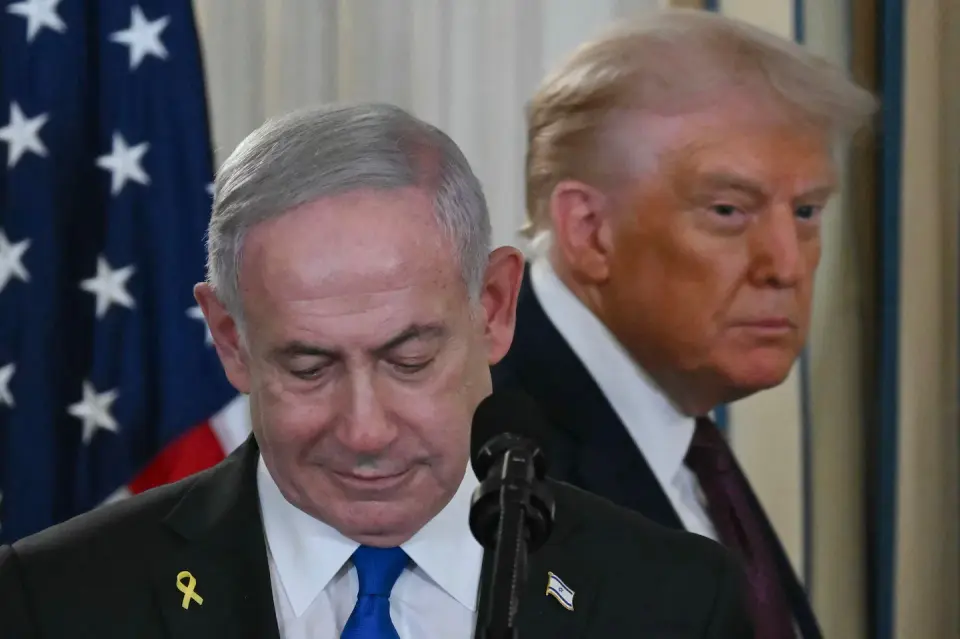
Israeli Prime Minister Benjamin Netanyahu has explicitly rejected the 15-point Gaza roadmap proposed by the US 'Board of Peace,' stating that Israel will not withdraw troops until Hamas is fully disarmed. This public defiance occurs less than three months before critical elections in both the United States and Israel, creating a diplomatic rift as Trump seeks foreign policy victories to boost his approval ratings while Netanyahu prioritizes domestic political survival.
Key points
- Netanyahu stated twice during a cabinet meeting that 'Israel does not accept the 15-point document,' rejecting the phased disarmament and withdrawal plan proposed by US envoy Nickolay Mladenov.
- The US 'Board of Peace' had declared a 'historic agreement' with Hamas ten days prior, but Netanyahu insists on 'genuine disarmament' before any Israeli troop withdrawal, contradicting the phased approach suggested by Washington.
- Hamas responded to Netanyahu's rejection by reaffirming its commitment to the roadmap and calling on the Board of Peace to pressure Israel to comply, while a US official noted 'cooperation behind the scenes' despite the public dispute.
- The Washington Post notes that Trump needs visible progress in foreign entanglements to improve his approval ratings, whereas Netanyahu is under pressure from far-right coalition partners who oppose the roadmap and any concession to international stabilization forces.
- CNN analysis suggests Netanyahu's public rejection is a calculated political move to appeal to voters ahead of the Israeli general election, as polls indicate he is trailing, and he needs to secure support from his far-right allies to form a coalition.
Background
This rift follows a series of tensions between Washington and Jerusalem, including a March 2026 disagreement over the endgame in Iran and a July 2026 split over military strategy regarding underground Iranian sites. Earlier this month, our archive noted that Netanyahu had been quietly discussing withdrawal pilots with the military before the public rejection, suggesting a complex balancing act between military operations and political messaging. The current dispute also follows a surge in West Bank settlements in August 2026, as hard-right leaders seek to cement control ahead of the vote.
How outlets are covering it
The Washington Post frames the situation as a widening rift driven by opposing domestic imperatives: Trump's need for foreign policy wins to bolster his approval rating versus Netanyahu's need to appease his far-right coalition. CNN, however, characterizes Netanyahu's rejection as a strategic 'least-bad option' for his election campaign, arguing that the Israeli leader is prioritizing voter sentiment over diplomatic finesse. While the Post emphasizes the structural tension between the two leaders' political timelines, CNN focuses on the tactical calculation that defying Trump is necessary for Netanyahu's survival in the upcoming vote, noting that most Israeli voters oppose curbing Israel's freedom in Gaza.
Why it matters
The public breakdown of the US-Israel consensus on Gaza threatens to derail the 'Board of Peace' initiative and could leave the two million residents of the enclave without a clear path to security or reconstruction. If the phased withdrawal and disarmament process collapses, it may lead to a resumption of hostilities or a prolonged stalemate, with both sides blaming the other for failure. This diplomatic friction also risks destabilizing broader regional dynamics, including ongoing tensions with Iran and the potential for a new wave of violence if the ceasefire framework is abandoned.
What to watch
Watch for any direct response from the White House to Netanyahu's rejection, as Trump has so far remained silent beyond a Truth Social post. Monitor the actions of the 'Board of Peace' envoy, Nickolay Mladenov, to see if the phased process is abandoned or if back-channel negotiations continue. Additionally, observe the Israeli election campaign for shifts in Netanyahu's rhetoric as he attempts to secure support from far-right allies, and watch for any further moves by Hamas to leverage the dispute to maintain its armed status.
- Trump-Netanyahu rift widens as election pressures pull them in opposite directions The Washington Post
- In rejecting Trump’s Gaza plan, Netanyahu reprises a balancing act he has mastered AP News
- Palestine weekly: Netanyahu hedges on Gaza roadmap Al Jazeera
- Netanyahu Walks Tightrope on Trump’s Gaza Disarmament Deal The New York Times
- Netanyahu calculates upsetting Trump is his least-bad option CNN
Want the full story? Read the original reporting
Read on The Washington Post