
Estonia to seal Russian border after foiled arson on drone maker
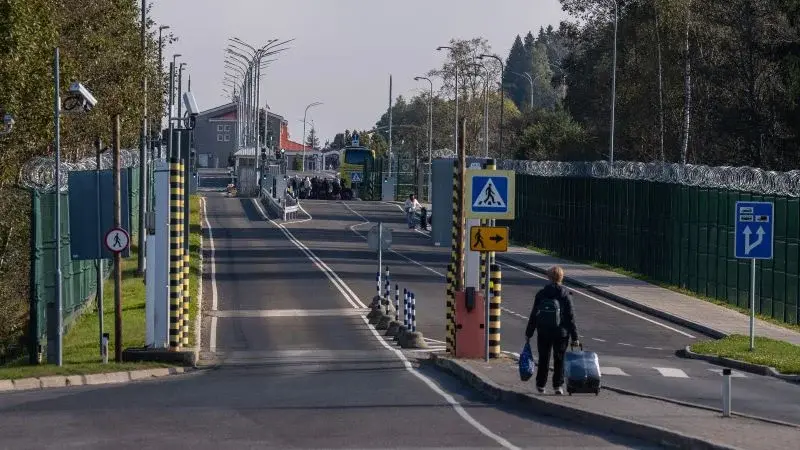
Estonia will close all road border crossings with Russia on December 1 following a foiled arson attempt on drone manufacturer Threod Systems. Authorities accuse the Russian GRU of ordering the attack, which involved eight detained Latvian nationals. Prime Minister Kristen Michal stated the closure aims to reduce hybrid threats and support Ukraine.
Key points
- Estonia will close all three road border crossings with Russia (Narva, Koidula, Luhamaa) starting December 1, 2026.
- Eight Latvian citizens were detained after an attempted arson attack on Threod Systems in Viimsi at 3:06 a.m. on November 14; five have been remanded in custody.
- Estonian security service KAPO attributes the attack to Russia’s GRU military intelligence, describing it as part of a pattern of hybrid warfare targeting defense industries.
- The attack was thwarted by Threod Systems’ security team, resulting in no injuries or significant damage to the company’s production capabilities.
- Prime Minister Kristen Michal linked the closure to Estonia’s support for Ukraine, stating Russia aims to weaken European resolve through intimidation.
Background
This incident follows an August arson attack on Milrem Robotics, which Estonian authorities also attributed to Russian special services. In September 2026, multiple drone incidents affected NATO members in Poland, Lithuania, and Denmark, which European officials linked to Moscow despite Russian denials. Estonia previously summoned Russia’s chargé d’affaires over the August attack, which Moscow dismissed as baseless.
How outlets are covering it
CNN and The Guardian emphasize the political response, highlighting Prime Minister Michal’s statement that the closure sends a clear message against Russian hybrid operations. The Guardian notes the attack targeted a drone maker supplying Ukraine, framing it as an attempt to weaken European support for Kyiv. ERR provides granular operational details, confirming the eight detainees are Latvian citizens and that the attack involved pouring flammable liquids to cause an explosion. While all sources agree on the GRU attribution, The Guardian highlights the broader context of European intelligence warnings regarding Russian recruitment of EU residents for sabotage, whereas CNN focuses on the diplomatic fallout and expected sanctions in Brussels.
Why it matters
The border closure marks a significant escalation in Estonia’s response to perceived Russian hybrid warfare, potentially impacting regional trade and travel. It signals a shift from diplomatic condemnation to tangible security measures, setting a precedent for other European nations facing similar threats to their defense industries.
What to watch
Estonian citizens in Russia have two weeks to return home. The closure’s duration remains unspecified. Foreign ministers are expected to discuss further sanctions against Russian individuals and entities in Brussels on Monday. Investigations will continue to determine the roles of the detained suspects and potential links to other individuals.
- Estonia to shut its border with Russia, blaming Moscow for failed arson attack CNN
- Estonia to close all border crossings with Russia after attack on drone maker The Guardian
- Estonia to close Russian border crossings after attempted arson attack Reuters
- 8 detained after GRU-linked arson at Estonian drone company Threod Systems ERR
- Estonia Says Russia Behind Failed Arson Attempt on Drone-Maker Bloomberg.com
Want the full story? Read the original reporting
Read on CNN