
EU Drafts Emergency Protocol to Counter Russian Hybrid Attacks Below NATO Threshold
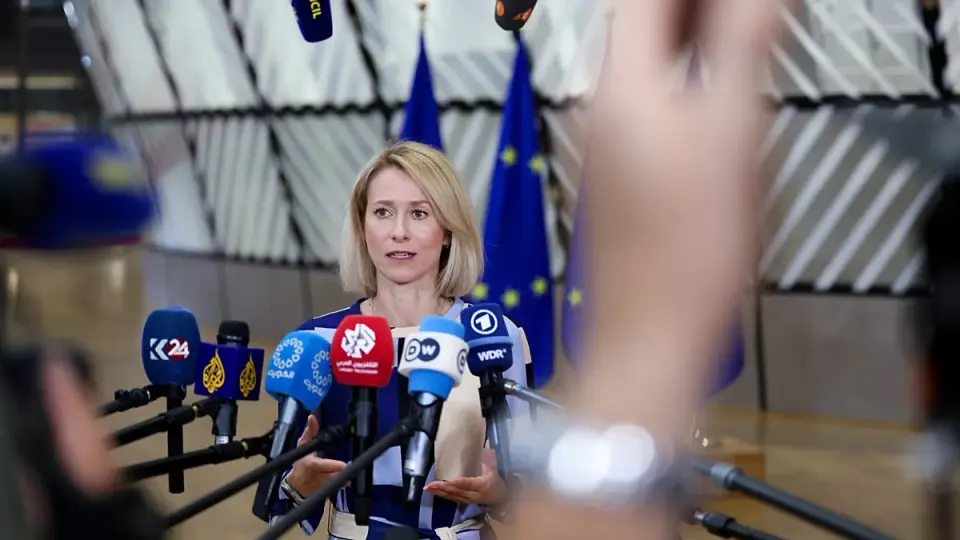
EU foreign ministers are developing an 'emergency security protocol' to coordinate responses to Russian sabotage and hybrid threats that fall below the threshold for armed aggression. The initiative, led by Kaja Kallas and Ursula von der Leyen, aims to fill a gap in current defense structures, which some officials argue are too slow for non-military attacks. This move follows a surge in incidents, including a Russian aircraft breaching Finnish airspace and various arson and cyberattacks across Europe, as officials debate whether new mechanisms will effectively deter Moscow or merely duplicate existing NATO processes.
Key points
- The EU is creating a new mechanism to coordinate rapid responses to hybrid threats like sabotage, arson, and cyberattacks that do not trigger NATO’s Article 5 mutual defense clause.
- EU foreign policy chief Kaja Kallas stated that Russia is planning more sabotage acts to intimidate Europe into withdrawing support for Ukraine, emphasizing the need for vigilance and deterrence.
- The protocol, outlined by Commission President Ursula von der Leyen, would allow member states to convene and coordinate countermeasures when a hybrid threat is identified, acting as a flank to NATO’s Article 4 consultation process.
- Recent incidents driving this urgency include a Russian aircraft breaching Finnish airspace, an arson plot at a Slovakian drone factory, cyberattacks on the Norwegian government, and a fire at a Polish defense facility.
- Some European diplomats expressed skepticism that new administrative frameworks will effectively deter Russia, arguing that such protocols might simply duplicate existing NATO decision-making pathways without adding substantive deterrence.
- The EU’s first Defence Readiness Report warns that the bloc is not rearming quickly enough to be ready to defend against potential Russian aggression by 2030, highlighting gaps in air defense, ammunition, and naval forces.
Background
This development follows earlier EU efforts to address Russian threats, including calls from Eastern Flank commissioners for a regional coordinator to unify counter-hybrid efforts and debates over using frozen Russian assets to fund Ukraine’s defense. In late September, Kallas warned of escalating hybrid attacks amid internal EU divisions over sanctions, while NATO Secretary-General Mark Rutte affirmed that the alliance maintains non-public options to counter such threats, stressing the importance of EU-NATO cooperation.
How outlets are covering it
Euronews and United24 Media highlight the urgency of the new 'emergency security protocol' as a necessary response to escalating Russian hybrid attacks, with Kallas and von der Leyen emphasizing the need for coordinated, swift countermeasures. Fox News focuses on Kallas’s personal history and her argument that backing down will only embolden Moscow, while noting that some Baltic officials, like Estonia’s Foreign Minister Margus Tsahkna, do not see intelligence indicating a full-scale Russian invasion. United24 Media reports skepticism from some EU diplomats who question whether new frameworks will effectively deter Russia or merely duplicate NATO’s existing processes, while NATO’s Mark Rutte assures that the alliance is prepared to respond. The perspectives range from a strong emphasis on deterrence and collective action (Euronews, Fox News) to caution about the practicality and novelty of the proposed mechanisms (United24 Media).
Why it matters
The EU’s move to formalize a response to hybrid threats signals a shift in European security doctrine, acknowledging that non-military aggression poses a significant risk to stability. If successful, the protocol could enhance the EU’s ability to deter Russian actions without escalating to armed conflict, potentially influencing the broader geopolitical landscape and the pace of rearmament across the continent. However, the effectiveness of this mechanism remains uncertain, as it depends on member states’ willingness to act collectively and the ability to impose meaningful consequences on Russia without triggering a wider conflict.
What to watch
EU ministers are expected to finalize the details of the emergency security protocol and discuss the EU’s first Defence Readiness Report, which highlights gaps in defense capabilities. The outcome of these discussions will determine whether the EU can implement a coordinated response to hybrid threats or if the initiative will face delays due to diplomatic reservations. Additionally, the EU may continue to debate the use of frozen Russian assets to support Ukraine, as this remains a contentious issue among member states.
- Increased Russian sabotage attempts prompts EU response Euronews.com
- EU countries consider Nato-style joint responses to Russian hybrid attacks ft.com
- She grew up under Soviet rule; now the EU's top diplomat, she warns Europe against giving Russia what it wants foxnews.com
- EU debates need for NATO-style response to Russia 'hybrid attacks' CNA
- EU Considers NATO-Style Emergency Protocol to Counter Russian Hybrid Warfare UNITED24 Media
Want the full story? Read the original reporting
Read on Euronews.com