
EU faces funding crisis as Russia's escalation outpaces support for Ukraine
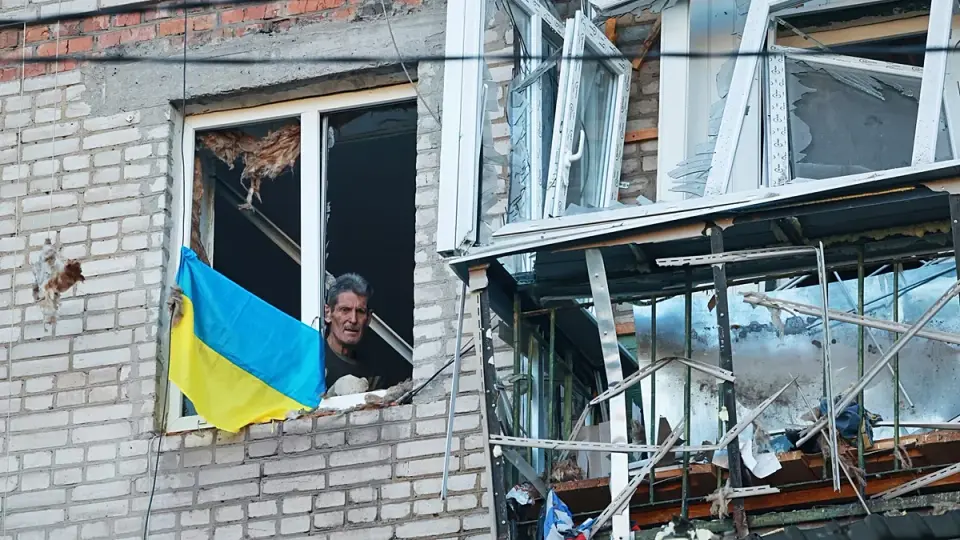
Russia’s intensified air campaign is straining Ukraine’s economy and exposing the limits of EU financial support. While Brussels seeks new funding mechanisms, internal political divisions and domestic economic pressures in Europe complicate efforts to sustain aid levels.
Key points
- Russia has escalated strikes on civilian and military infrastructure, including power stations and bridges, causing significant economic damage.
- Ukraine faces a projected funding gap of $78 billion for 2027, far exceeding the €45 billion the EU plans to provide.
- EU leaders are struggling to agree on new support mechanisms due to rising debt and political opposition within member states.
- Analysts suggest Russia aims to fracture Western unity through hybrid warfare and economic pressure to force a reduction in aid.
Background
This escalation follows a series of strikes on Kyiv’s bridges and energy infrastructure in early October, which were linked to Ukrainian attacks on Russian oil refineries. Previous coverage noted that while the US proposed peace talks, Russia continued to threaten further escalation, highlighting the fragile state of the conflict.
How outlets are covering it
Euronews emphasizes the structural failure of the current €90 billion loan, which was designed assuming the war would end in 2026. The Washington Post frames the situation as a deliberate Russian strategy to exploit European domestic instability, such as student protests in France and political upheaval in Germany, to fracture support. TVP World highlights the psychological dimension, noting that Russia aims to 'split and scare' the West into diminishing aid, while also attempting to influence US President Trump’s perception of the conflict.
Why it matters
The inability of the EU to secure additional funding threatens Ukraine’s ability to sustain its defense and economy through the winter. If European support collapses due to internal political divisions and economic strain, it could alter the balance of power in the conflict and potentially force Ukraine into unfavorable negotiations.
What to watch
EU leaders are expected to formally debate new support mechanisms, potentially involving joint debt or bilateral contributions from wealthy nations like Germany. The outcome will depend on whether member states can overcome political resistance and rising borrowing costs to bridge the funding gap.
- As Russia escalates its war, the EU realises its support for Ukraine won't be enough Euronews.com
- Opinion | Putin’s Desperate, Dangerous Game in Europe The New York Times
- Vladimir Putin and the pariah problem The Economist
- With hybrid attacks and nuclear bluster, Putin aims to end Europe’s support for Ukraine The Washington Post
- Putin believes he is ‘winning the air war’ against Ukraine, analyst says TVP World
Want the full story? Read the original reporting
Read on Euronews.com